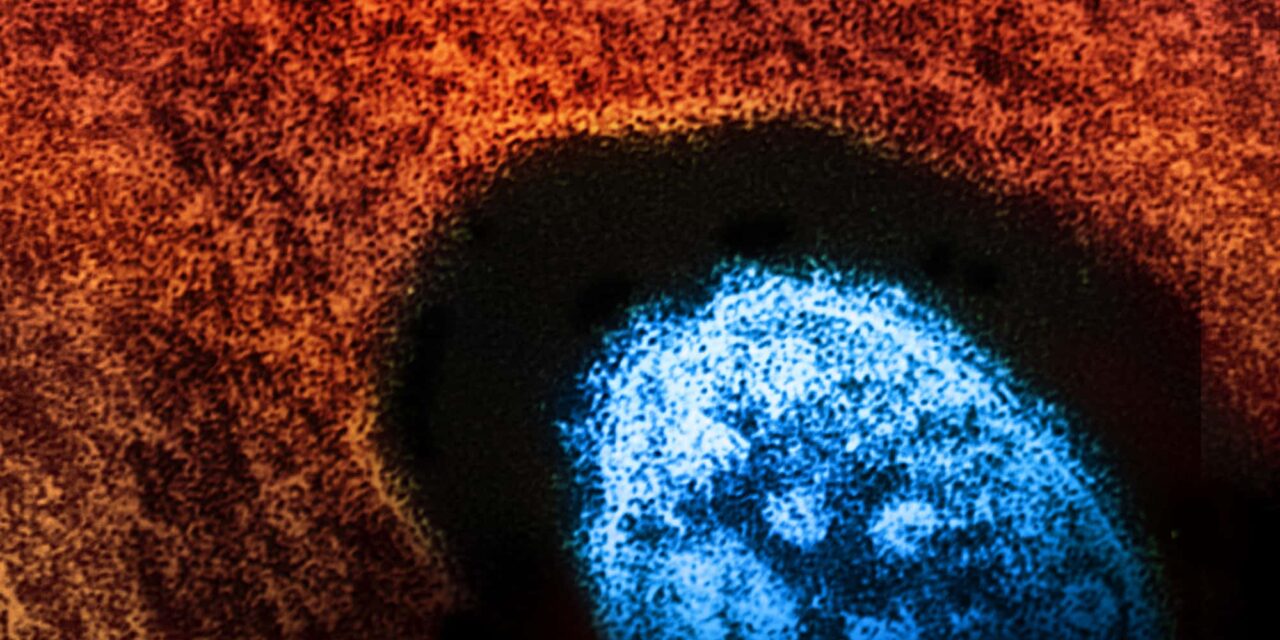
Researchers at the La Jolla Institute for Immunology found that specific antibodies can neutralize the measles virus and reduce viral loads in preclinical models.
RT’s Three Key Takeaways:
- Neutralizing Human Antibodies: Researchers at the La Jolla Institute for Immunology have characterized human antibodies that bind to key sites on the measles virus to prevent it from entering host cells.
- Preclinical Treatment Efficacy: In rodent models, an infusion of these antibodies led to a 500-fold reduction in viral load, with one specific antibody rendering the virus undetectable.
- Protection for Vulnerable Populations: The development of monoclonal antibody therapies could provide a critical healthcare option for infants and immunocompromised individuals who cannot receive the live-attenuated measles vaccine.
Scientists at the La Jolla Institute for Immunology (LJI) have identified human antibodies capable of neutralizing the measles virus, marking a step toward the first specific treatment for the infection, according to a study published in Cell Host & Microbe.
The research team used cryo-electron microscopy to capture images of how these antibodies bind to the virus. By analyzing blood from a vaccinated volunteer, the scientists isolated antibodies that target the measles fusion protein and the attachment protein, effectively locking the viral machinery in place to prevent cell entry.
“These antibodies work as prophylaxis—to protect from initial infection—and they work after viral exposure as a treatment to fight measles infection,” said Erica Ollmann Saphire, PhD. “It may be possible to give someone an infusion of these antibodies and deliver the immune response they wish they had.”
The need for measles-specific therapies has grown as decreased vaccination rates lead to outbreaks in the US and around the world. While the measles vaccine is effective, it contains a live, weakened virus and cannot be administered to infants under 12 months old or individuals with compromised immune systems, such as those undergoing chemotherapy.
“The very same people who can’t be vaccinated or can’t be vaccinated yet, are the same people for whom a measles virus infection would be the most severe—or be lethal,” said Saphire in a news release.
In preclinical testing conducted with collaborators at The Ohio State University, researchers found that four lead antibodies reduced viral loads in cotton rat models when administered before or shortly after exposure. One antibody, known as 3A12, which binds to a site on the fusion protein, rendered the circulating virus undetectable.
“We found that these antibodies are exceptionally potent,” said Dawid Zyla, PhD, lji instructor and study co-first author.
The study was supported by the National Institutes of Health (NIH) and the National Institute of Allergy and Infectious Diseases (NIAID). Researchers noted that these images of antibody structures provide the necessary materials to develop the first before- or after-exposure treatment for the measles virus.