Data from University of Chicago shows how SARS-CoV-2 uses a small but powerful protein to make its viral particles more infectious.
RT’s Three Key Takeaways:
- ORF3a Drives Infectivity — SARS-CoV-2 uses the ORF3a protein to create 3a dense bodies (3DBs), specialized structures that significantly boost the virus’s ability to assemble and spread.
- 3DBs Optimize Spike Processing — These ORF3a-driven 3DBs regulate how spike proteins are processed, ensuring optimal viral infectivity by preventing under- or over-processing.
- Therapeutic Target Potential — Disabling ORF3a or blocking 3DB formation reduced viral infectivity by over 90%, highlighting a promising new target for future COVID-19 treatments and variant surveillance.
SARS-CoV-2 uses a small but powerful protein, ORF3a, to assemble the infectious particles, making it more efficient at spreading the disease, according to a study published in Nature Communications.
More than 700 million people were infected by SARS-CoV-2 during the COVID-19 pandemic, and more than 7 million deaths from the disease were reported worldwide. SARS-CoV-2 is genetically similar to the previously known SARS-CoV-1 that caused an outbreak in 2002-2004 but is significantly more contagious. This raised a key question of what makes SARS-CoV-2 more infectious than the earlier variants.
“The activity of ORF3a was present in the background of the virus and was maintained when it evolved into SARS-CoV-2, but lost in SARS-CoV-1,” said Jueqi Chen, PhD, Assistant Professor of Microbiology at the University of Chicago and lead author of this study.
Viruses like SARS-CoV-2 use well-known spike proteins to enter host cells, along with lesser-known accessory proteins to hijack the host’s cellular machinery. While most COVID-19 research has focused on the spike proteins and immune responses, Chen’s lab is interested in understanding how the spike proteins are built and processed inside cells, because for the virus to be most infectious, the spike protein needs to be processed just right–not too much, not too little. ORF3a was previously believed to assist the virus exiting the cells, but the new research shows that its role is far more central to viral assembly and infectivity.
ORF3a drives 3DB formation to boost virus efficiency
“We discovered that SARS-CoV-2 viruses assemble a group of dynamic membrane structures by hijacking the host cell membrane system, which we named the 3a dense body (3DB),” said Chen. “Without these structures, SARS-CoV-2 infection efficiency is tenfold lower.”
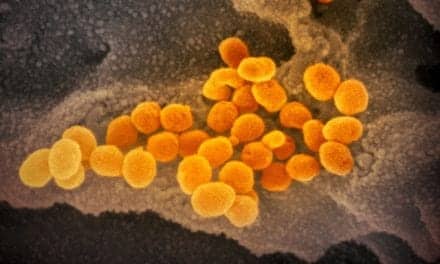
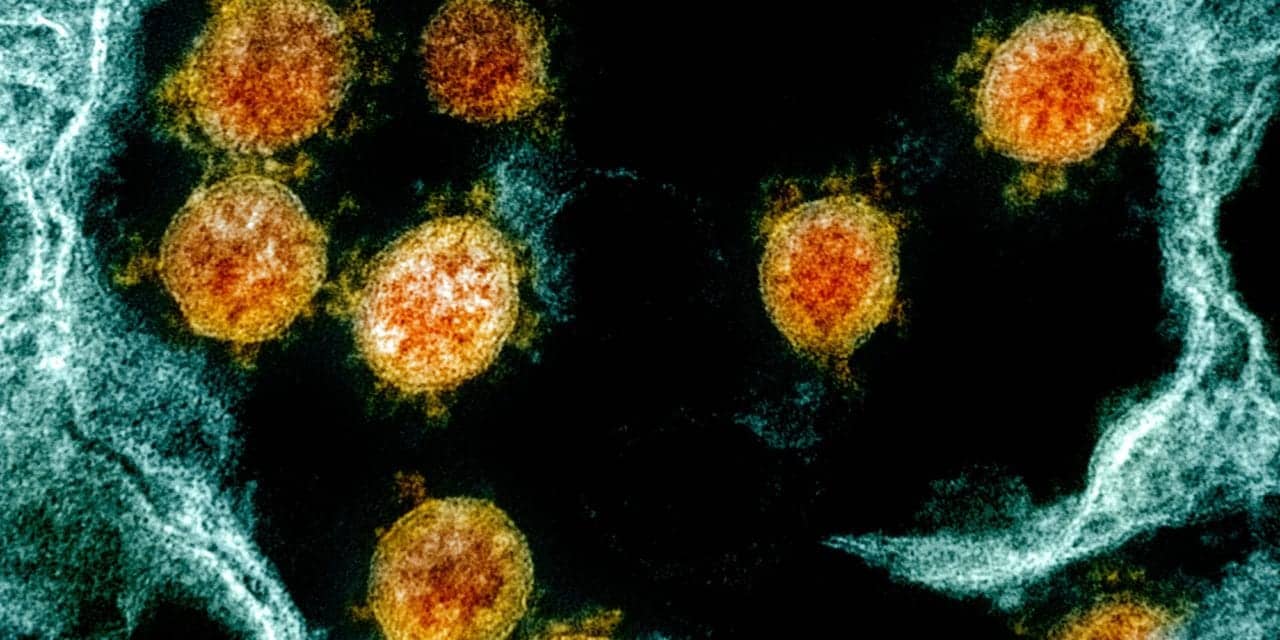
These 3DBs are tiny structures that appear as dense, bubble-like formations under an electron microscope. They form only in the presence of ORF3a and act as assembly hubs for organizing key viral components, particularly the spike and membrane proteins. One of 3DB’s most critical functions is to regulate the processing of the spike proteins, ensuring the spikes are in an optimal state for infectivity. Under-processed spike proteins may not bind well to host cells whereas over-processed spike proteins might be unstable or not assemble correctly.
“From the virologist viewpoint, it was most exciting to see that ORF3a can regulate spike processing by forming a specialized viral structure using host cell components,” Chen said.
Stella Hartmann, a graduate student, and Lisa Radochonski, a technician in Chen’s lab, conducted experiments to block the formation of 3DBs by disabling key parts of the ORF3a protein. They found that the virus still formed but its ability to infect new cells dropped by more than 90%, showing that 3DBs are essential for efficient viral spread.
Future therapies and variant surveillance
This work reveals a hidden layer of complexity in how SARS-CoV-2 operates and takes researchers one step closer in understanding the machinery behind viral success.
“This study provides insights into how the virus remodels host membrane structures and mediates complete virus assembly,” Chen said.
Interestingly, SARS-CoV-1 – the virus behind the earlier outbreak – does not form 3DBs. This feature appears to be unique to SARS-CoV-2, despite both the viruses being genetically similar. “We confirmed that 3DB formation is highly conserved in bat cells as well, not just the human or mouse cells,” said Chen. This discovery could provide a critical clue in understanding why SARS-CoV-2 became a successful human pathogen.
The fact that SARS-CoV-2 builds a specialized organelle to optimize its infectivity is both novel and alarming, but it also offers a clear target for intervention. Future drug development efforts may focus on blocking ORF3a or preventing 3DB formation. Researchers may also watch for new variants that could evolve to form even more effective 3DBs, or for signs that similar mechanisms might exist in other viruses.