Researchers Improve RNA Extraction from Human Lung Tissue
New RNA extraction techniques overcome barriers to help scientists better evaluate treatments for diseases such as pulmonary fibrosis.


New RNA extraction techniques overcome barriers to help scientists better evaluate treatments for diseases such as pulmonary fibrosis.

Black children have a higher risk of developing harmful inflammation that drives type 2-high (T2-high) asthma.





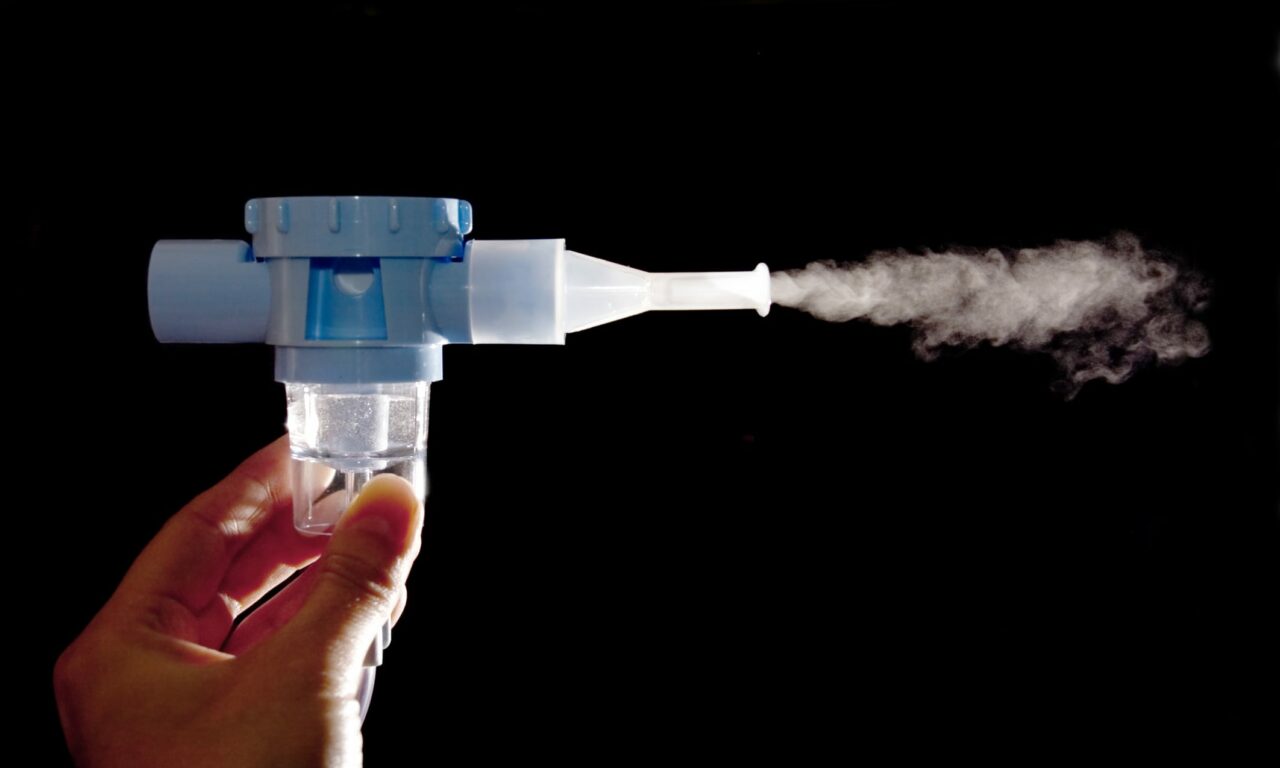
The FDA accepted Insmed's supplemental new drug application with Priority Review for Arikayce to treat Mycobacterium avium complex (MAC) lung disease.




Researchers are developing a noninvasive diagnostic protocol using breath analysis and cheek swabs to identify asthma before age 5.
Patients with chronic bronchitis experienced better quality of life and fewer severe hospitalizations after Metered CryoSpray (MCS) therapy.
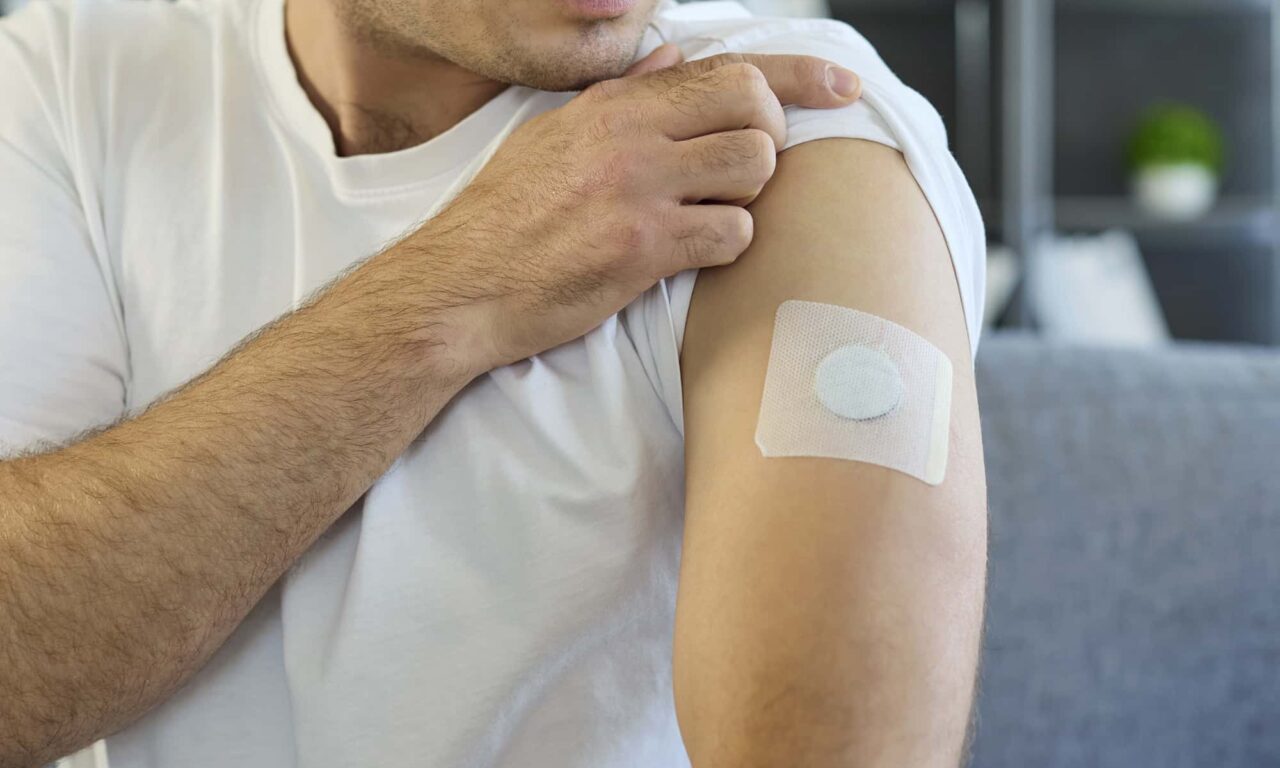
Wearable stickers can accurately measure sweat chloride levels in cystic fibrosis patients in under an hour without specialized laboratory equipment.
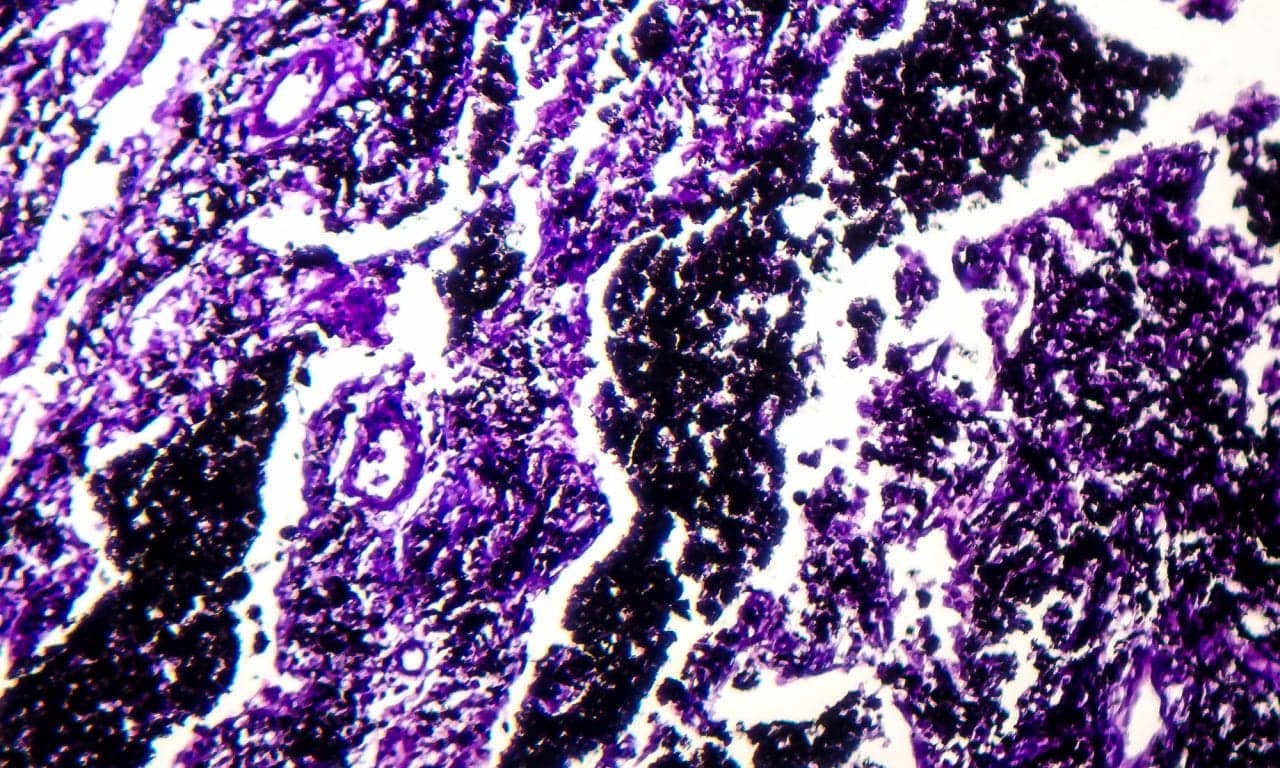
On World Interstitial Lung Disease Day, the American Lung Association launched an initiative to helping PPF patients and caregivers recognize worsening symptoms and lung scarring.
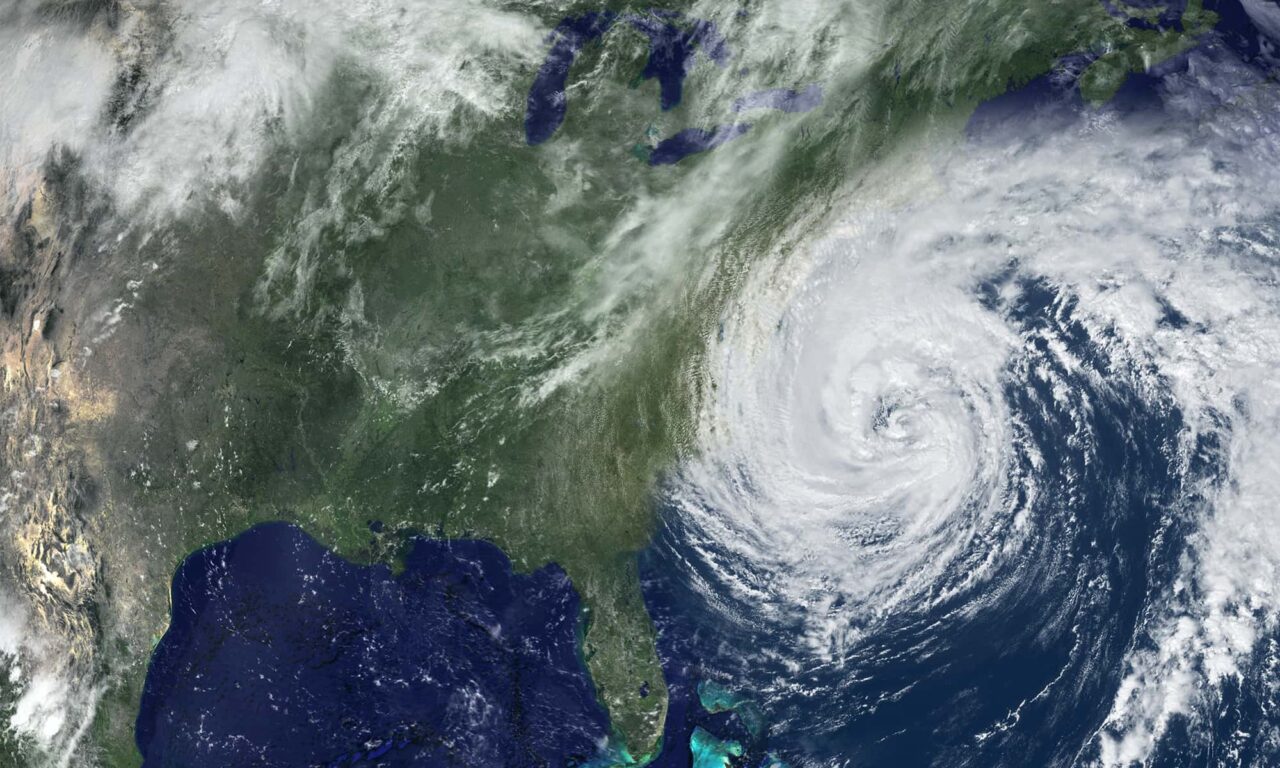
Researchers identified the factors that are most likely to create hazardous respiratory conditions inside homes after hurricane-related flooding.
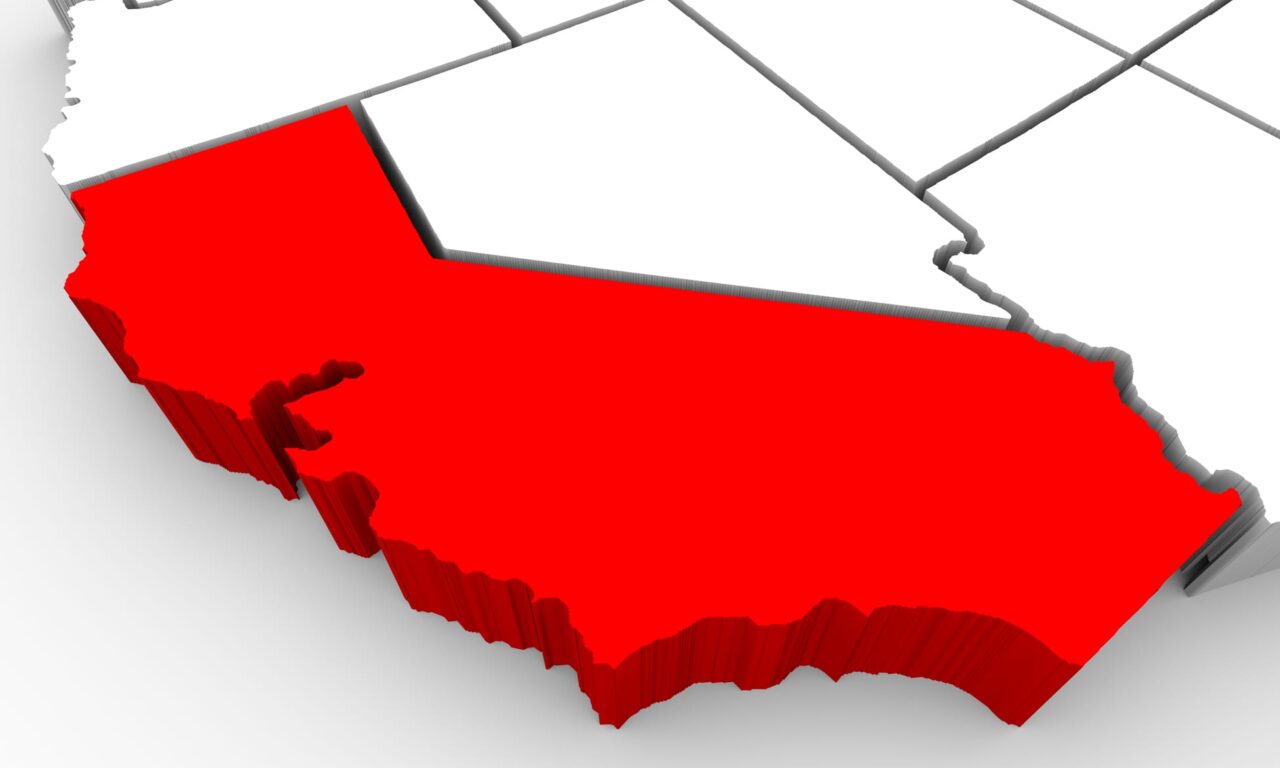
Cal/OSHA issued draft rules to prohibit the fabrication of artificial stone products containing more than 1% crystalline silica, citing lung risks to workers.