NFL QB Jalen Hurts Diagnosed With DVT, Pulmonary Emboli
Philadelphia Eagles quarterback Jalen Hurts will likely miss the remainder of the NFL regular season after being diagnosed with DVT and bilateral pulmonary emboli.


Philadelphia Eagles quarterback Jalen Hurts will likely miss the remainder of the NFL regular season after being diagnosed with DVT and bilateral pulmonary emboli.

Philadelphia Eagles quarterback Jalen Hurts will likely miss the remainder of the NFL regular season after being diagnosed with DVT and bilateral pulmonary emboli.
Read More
Pope Leo XIV has been diagnosed with lung cancer, after surgeons removed the lower lobe of the Pope’s right lung on Tuesday.
Read More
Researchers designed an automated acoustic monitoring tool that flags indoor coughing without identifying individual patients.
Read More
Mayo Clinic researchers reported early findings from an experimental treatment designed for a single patient with a rare genetic form of amyotrophic lateral sclerosis (ALS).
Read More
The FDA accepted Insmed’s supplemental new drug application with Priority Review for Arikayce to treat Mycobacterium avium complex (MAC) lung disease.
Read More
Study shows immune responses to flu and COVID-19 trigger lasting inflammation in the spine, hastening onset/progression of amyotrophic lateral sclerosis (ALS).
Read More
Adults with sickle cell disease who actively smoke cigarettes or cigars are nearly three times as likely to experience advancing sickle cell retinopathy compared to nonsmokers.
Read More
Researchers identified a biological pathway that could help produce healthy red blood cells in patients with inherited blood disorders like sickle cell disease.
Read More
Patients with chronic bronchitis experienced better quality of life and fewer severe hospitalizations after Metered CryoSpray (MCS) therapy.
Read More
Cal/OSHA issued draft rules to prohibit the fabrication of artificial stone products containing more than 1% crystalline silica, citing lung risks to workers.
Read More
Veterans exposed to high-level explosive blasts face higher rates of emphysema, chronic bronchitis, and stroke years after service.
Read More
Exposure to very dry air collapses airway mucus, but an inhaled magnesium mist could help protect the respiratory tract.
Read More
Researchers identified genetic-related structural defects that prevent cilia from clearing mucus in primary ciliary dyskinesia patients.
Read More
A high-dose vaccine reduced hospital admissions for flu or pneumonia by nearly 9% among older individuals with chronic respiratory conditions like asthma and COPD.
Read More
New global guidance and manufacturing initiatives focus on delivering age-appropriate sickle cell therapies to pediatric patients.
Read More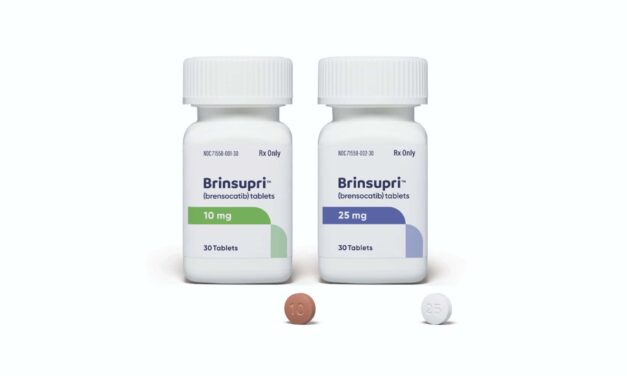
Japan’s Ministry of Health, Labour and Welfare (MHLW) has approved Brinsupri (brensocatib 25-mg tablet), an oral, once-daily treatment for non-cystic fibrosis bronchiectasis (NCFB) in adults and pediatric patients 12 years and older, according to Insmed Inc.
Read More
A study of California workers identified nearly 600 cases of the incurable lung condition silicosis, prompting experts to call for national surveillance and stronger safety standards.
Read More
The BEST-BE observational study will track 1,000 bronchiectasis patients to measure the impact of brensocatib on pulmonary exacerbations and patient quality of life.
Read More
Results from the HOPE-3 trial found that an investigational cell therapy called deramiocel preserved heart and muscle function in boys and young men with Duchenne muscular dystrophy (DMD).
Read More
Children’s Hospital Los Angeles joined a trial to investigate nula-cel, a gene-editing therapy designed to correct the sickle cell disease genetic mutation.
Read More
A standard laboratory assay significantly underestimates blood sugar levels in people with sickle cell trait, potentially leading to widespread underdiagnosis of diabetes.
Read More
Men receiving systemic testosterone therapy showed a statistically significant decrease in inhaled corticosteroid use starting 18 to 24 months after treatment initiation.
Read More
Analyzing respiratory patterns through machine learning models improved early identification of bronchopulmonary dysplasia (BPD) in preterm infants.
Read More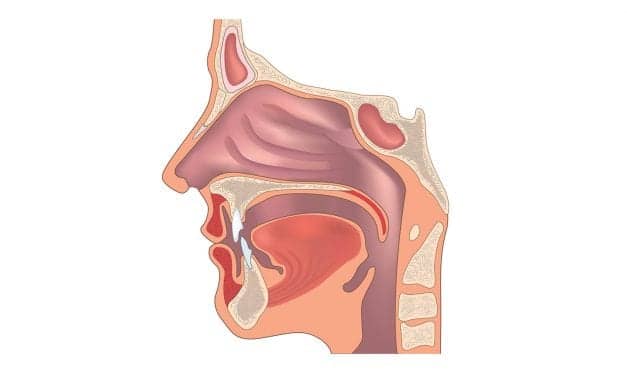
A US study is evaluating a drug-coated balloon designed to improve outcomes for chronic rhinosinusitis patients undergoing sinus surgery.
Read More