Allergy and Asthma Patient Protection Act Introduced in Congress
The Allergy & Asthma Patient Protection Act would help address administrative and reimbursement issues that are unique to the allergy specialty.

The Allergy & Asthma Patient Protection Act would help address administrative and reimbursement issues that are unique to the allergy specialty.

The Allergy & Asthma Patient Protection Act would help address administrative and reimbursement issues that are unique to the allergy specialty.
Read More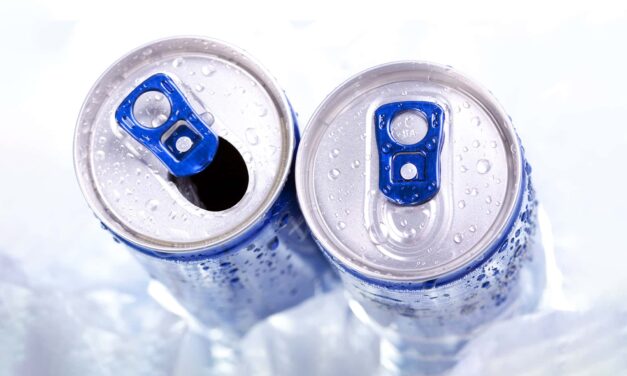
Medical reports show severe pediatric anaphylaxis and allergic reactions linked to energy drink ingredients, hair oil, and sensory toys.
Read More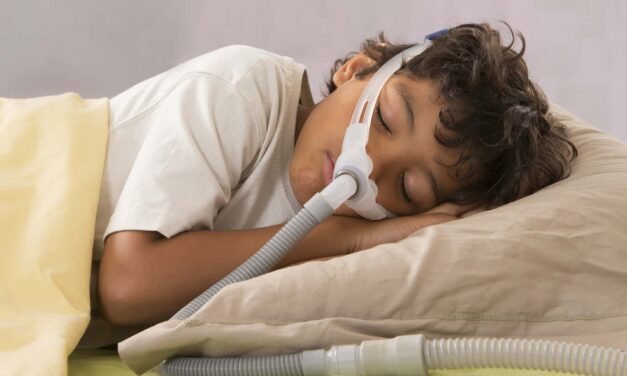
Pediatric patients with eczema face higher rates of sleep disturbance regardless of asthma, hay fever, or mental health conditions.
Read More
Omalizumab (Xolair) reduced reaction severity and eliminated the need for emergency epinephrine following food exposure.
Read More
Diagnoses of an eosinophilic esophagitis (EoE), an allergic swallowing disorder, have climbed sevenfold and are frequently confused with severe food allergies.
Read More
Eighty-five percent of surveyed clinicians know that food allergy panel testing often results in false positives—yet they kept ordering the test anyway.
Read More
Non-English-speaking families face disparities in early food allergy prevention guidance despite standard pediatric recommendations.
Read More
Schools without stock epinephrine were more than four times more likely to report lacking the medication during an allergic emergency than schools with stock supplies.
Read More
The Teal Pumpkin Project is hoping to provide an allergy-free Halloween to children across the United States who suffer from food allergies.
Read More
A new proposal calls for federal investment to study how early microbial disruptions contribute to conditions like asthma, obesity, and allergies.
Read More
Researchers identified the factors that are most likely to create hazardous respiratory conditions inside homes after hurricane-related flooding.
Read More
The American College of Allergy, Asthma, and Immunology (ACAAI) outlines essential steps for families and school staff to navigate seasonal allergy triggers and respiratory health.
Read More
A phase 1 study is testing the safety of a microneedle device designed to deliver peanut protein through the skin for desensitization.
Read More
Research involving more than 30,000 children suggests no link between household cats and asthma severity or lung function.
Read More
New research suggests that microplastic particles can bind to allergens and carry them deeper into the respiratory system.
Read More
High consumption of ultra-processed food products significantly raises the likelihood of asthma onset in school-age children, according to a longitudinal study.
Read More
New studies suggest that airway and breathing failures are the primary causes of death in childhood food anaphylaxis, requiring a shift in emergency management protocols.
Read More
The American College of Allergy, Asthma and Immunology emphasizes the link between uncontrolled allergies and asthma flares.
Read More
A new visual Ai agent aims to reduce subjectivity and improve documentation efficiency for clinicians performing skin prick testing.
Read More
The European Commission authorized the EURneffy 1 mg nasal spray for pediatric patients who weigh between 15 and 30 kg and are at risk of severe allergic reactions.
Read More
The updated label for the Neffy 1 mg dose allows children weighing at least 33 pounds to access the needle-free treatment regardless of age.
Read More
The most engaging allergy/immunology social media content is often the least accurate, especially those around natural remedies and IgG testing.
Read More
UV filtration in heating, ventilation and air conditioning may affect environmental microbial diversity, leading to improvements in children’s asthma outcomes.
Read More
The risk of peanut allergy was significantly reduced if the younger siblings were introduced to peanuts in their first year of life.
Read More