Data from the MANDARA phase 3 clinical trial found that more than half of patients with eosinophilic granulomatosis with polyangiitis (EGPA) achieved remission when treated with benralizumab (Fasenra).
Positive results from the MANDARA Phase III trial for benralizumab (Fasenra) in patients with EGPA were published in the New England Journal of Medicine today,1 as the first head-to-head trial of biologics in patients with EGPA,2 and the first to demonstrate that more than half of patients achieved remission with eosinophil-targeting biologic therapies.1 These findings were also presented today as a late-breaking poster at the American Academy of Allergy Asthma & Immunology (AAAAI) Annual Meeting in Washington, DC.3
MANDARA compared benralizumab to mepolizumab in patients with EGPA receiving oral corticosteroids (OCS) with or without stable immunosuppressive therapy.2 Patients were randomized to receive either a single 30 mg subcutaneous injection of benralizumab, or three separate 100 mg subcutaneous injections of mepolizumab, once every four weeks.2 Full results showed that benralizumab met the primary endpoint of the trial and demonstrated non-inferior rates of remission compared to mepolizumab.1 The primary endpoint of adjusted rate of remission was 59% for benralizumab-treated patients at weeks 36 and 48, compared with 56% for mepolizumab (difference in rates: 3%; 95% CI:, –13,18).1 Remission in EGPA is defined as Birmingham Vasculitis Activity Score (BVAS)=0 and OCS dose less than or equal to 4 mg/day.2
A higher proportion of benralizumab-treated patients were able to fully taper off OCS during weeks 48 through 52 (41% in the benralizumab arm vs. 26% in the comparator arm (difference: 16%; 95% CI: 1,31).1 Additionally, 86% of benralizumab patients vs. 74% in the comparator arm (difference: 12%; 95% CI: −1, 25) had at least a 50% reduction in OCS dose during weeks 48 through 52.1
Dr. Michael Wechsler, Professor of Medicine and Director of The Asthma Institute at National Jewish Health, and International Coordinating Investigator of the MANDARA trial said: “Patients with EGPA typically rely on long-term, high-dose OCS, which can cause serious and lasting side effects, and often suffer recurrent relapses when attempting to taper off their treatment. These findings are an exciting step forward as they affirm that eosinophil-targeting biologic treatments helped more patients achieve remission and taper off of steroid therapy.”
Sharon Barr, Executive Vice President, BioPharmaceuticals R&D, AstraZeneca said, “The results from this trial are an important step forward for the EGPA community, as this is the first trial to demonstrate that remission from EGPA with an eosinophil-targeting biologic is achievable for the majority of patients. This is a significant advancement and shows that benralizumab helped patients achieve remission and reduce chronic OCS usage, in a convenient, single, monthly subcutaneous injection, and could alleviate some of the impact of this debilitating disease.”
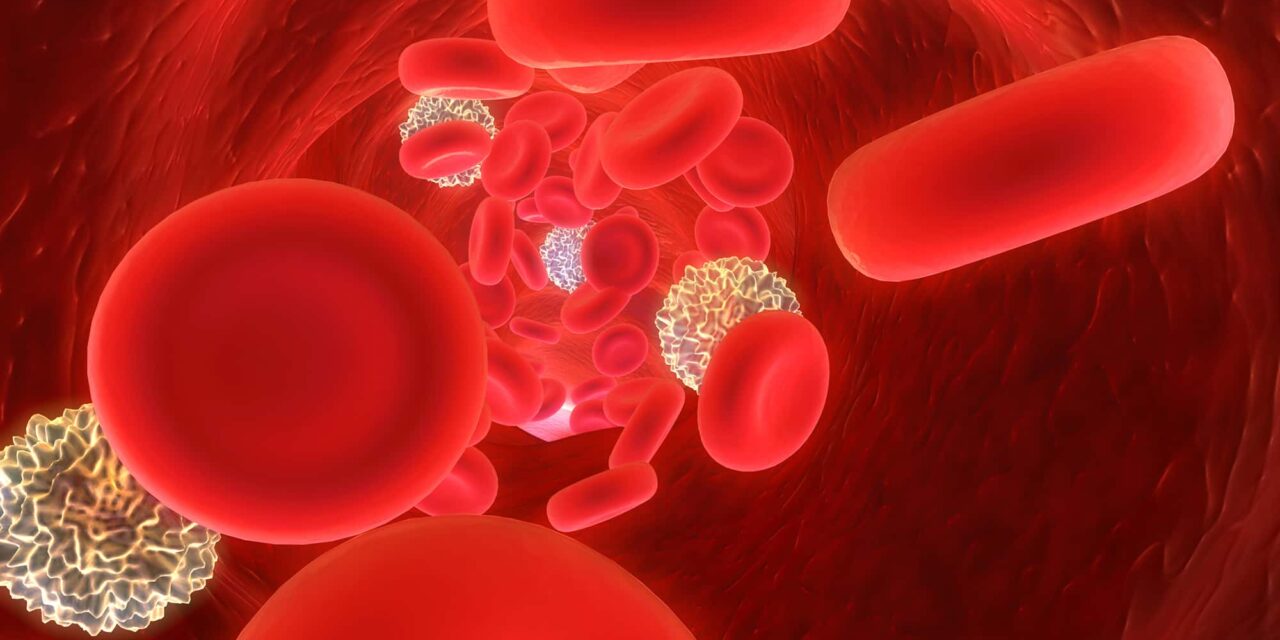
Elevated levels of eosinophils play a central role in EGPA disease pathophysiology.4 All patients with EGPA have very high levels of eosinophils at some point in their disease, both in peripheral blood and in affected tissues or organs.5,6 Approximately half of patients with EGPA have concomitant, adult-onset severe eosinophilic asthma, and often have sinus and nasal symptoms.5,7
Benralizumab has a unique mode of action that leads to near complete depletion of eosinophils.8,9 Treatment with benralizumab was associated with a greater reduction of blood eosinophil counts from week 1 compared to mepolizumab and maintained at all timepoints.1 At week 1 mean blood eosinophil count ratio to baseline was 0.15 vs. 0.39 respectively (adjusted geometric mean ratio: 0.38; 95% CI: 0.29, 0.49) and 0.10 vs. 0.26 at week 52 (adjusted geometric mean ratio: 0.36; 95% CI: 0.27, 0.49).1 Benralizumab was well tolerated with no new safety signals, which is consistent with the known profile of the medicine.1
Benralizumab (Fasenra) is currently approved as an add-on maintenance treatment for SEA in 80 countries including the US, Japan and in the EU, and is approved for self-administration in the US, EU and other countries.10-13
References available at AstraZeneca’s website.