Bronchiectasis patient-reported mucus color reflects underlying inflammation and flare-up severity in adults, according to clinical trial data.
RT’s Three Key Takeaways:
- Inflammation Indicator: Patient-reported sputum color correlates directly with neutrophil activity, airway inflammation, and overall disease severity in patients with bronchiectasis, according to study findings.
- Exacerbation Monitoring: Sputum purulence increased during pulmonary exacerbations across all patient cohorts, providing healthcare clinicians with an accessible, noninvasive tool to monitor disease flare-ups.
- Therapeutic Impact: Treatment with brensocatib reduced neutrophil serine protease activity across all sputum purulence categories and significantly lowered purulence scores during severe exacerbations compared with placebo.
Patient-reported sputum color is associated with neutrophil serine protease (NSP) activity and clinical disease activity in adults with bronchiectasis, according to a post hoc analysis of data from the phase III ASPEN trial presented at Chest 2026.
“Sputum is a noninvasive marker of airway inflammation, with purulence reflecting the presence and activity of neutrophils in the airways. Its color is considered an indicator of bronchiectasis disease activity, severity, and inflammation,” said James Chalmers, MBChB, PhD, a Chest 2026 presenting author. “It’s a valuable tool for monitoring bronchiectasis exacerbations. With the recent FDA approval of brensocatib for the treatment of bronchiectasis in adults and adolescents, we wanted to evaluate its impact on sputum color.”
Researchers evaluated the relationship between patient-reported sputum purulence and NSP activity, as well as the impact of brensocatib treatment on sputum purulence at baseline and during pulmonary exacerbations, according to the news release. Adult patients in the trial who had experienced at least two pulmonary exacerbations in the 12 months before screening were randomized 1:1:1 to receive once-daily brensocatib 10 mg, brensocatib 25 mg, or placebo for 52 weeks. Participants completed the Bronchiectasis Exacerbation and Symptom Tool (BEST) diary daily, which included assessing sputum purulence using a six-point color scale.
In a pooled analysis across treatment arms, 326 patients had corresponding sputum NSP data assessing neutrophil elastase (NE), cathepsin G (CatG), and proteinase 3 (PR3), the authors reported. At baseline, 36.2% of patients reported mucoid sputum, 43.9% reported mucopurulent sputum, and 19.9% reported purulent sputum.
Greater sputum purulence was associated with higher NE activity at baseline and throughout the 52-week treatment period, with similar trends observed for CatG and PR3, according to trial data. Greater sputum purulence at baseline was also linked to higher clinical disease activity, including elevated sputum neutrophil counts, Pseudomonas aeruginosa positivity, higher exacerbation rates, increased bronchiectasis-computed tomography scores, and decreased postbronchodilator forced expiratory volume in one second (FEV1).
Treatment with brensocatib was associated with greater reductions in NE activity compared with placebo across all sputum purulence categories, alongside similar reductions in CatG and PR3, according to the analysis. Although sputum purulence increased across all treatment arms during pulmonary exacerbations regardless of severity, brensocatib 10 mg and 25 mg reduced sputum purulence scores compared with placebo during severe exacerbations.
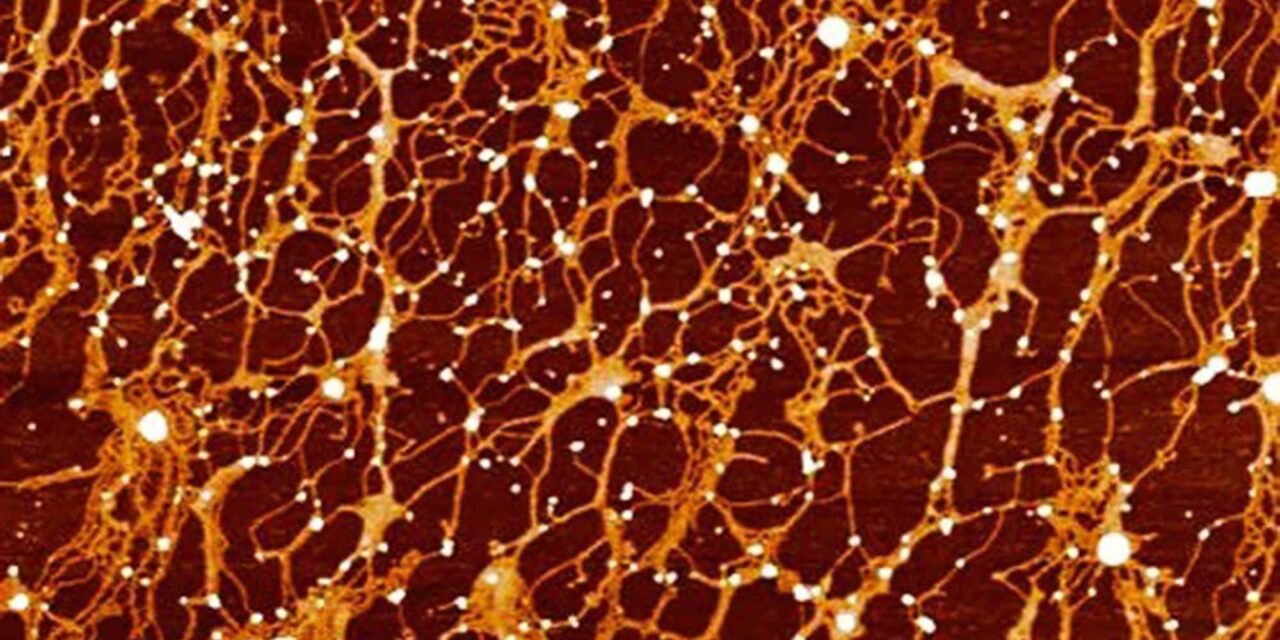
Image credit: Jerome Carpenter/Mehmet Kesimer. A mucus web, secreted by human lung tissue for protection, consisting of large spaghetti-like mucin threads and thousands of proteins.