Study results show patients with chronic bronchitis experienced better quality of life and fewer severe hospitalizations after Metered CryoSpray (MCS) therapy.
RT’s Three Key Takeaways
- Meaningful Symptom Relief: Patients with moderate-to-severe COPD and chronic bronchitis who received Metered CryoSpray (MCS) therapy demonstrated statistically significant, clinically meaningful improvements in quality of life and respiratory symptoms through 12 months.
- Reduced Severe Flare-Ups: Treated patients achieved a 38.4% relative reduction in the rate of severe COPD exacerbations occurring more than 30 days post-procedure compared with the control group.
- Acceptable Safety Profile: The procedure was well tolerated, with pneumothorax occurring in 3.6% of MCS procedures, all of which resolved prior to discharge, and no device-related deaths reported.
Patients with moderate-to-severe COPD and chronic bronchitis experienced significant symptom relief and fewer severe flare-ups following treatment with a bronchoscopic liquid nitrogen system, according to clinical trial results published in the American Journal of Respiratory and Critical Care Medicine (AJRCCM).
The pivotal, randomized, blinded, sham-controlled SPRAY-CB study evaluated the safety and efficacy of Metered CryoSpray (MCS) therapy delivered via the company’s RejuvenAir System across 210 patients in the US and the United Kingdom. All participants remained highly symptomatic with productive cough, mucus hypersecretion, and impaired mucus clearance despite receiving optimal medical therapy, according to the published findings.
Primary Endpoint and Symptom Improvement
The trial met its primary effectiveness endpoint at 12 months, with MCS-treated patients showing a 5.9-point greater improvement over the control group on the St. George’s Respiratory Questionnaire (SGRQ) (p=0.0422), surpassing the recognized 4-point threshold for clinical benefit, according to the study.
MCS-treated patients also showed a 3.4-point greater improvement compared with control on the COPD Assessment Test (CAT) (p=0.005), which exceeded the established 2-point threshold for meaningful improvement, the researchers reported.
In addition to improvements in daily symptoms and quality of life, a supportive analysis demonstrated that MCS-treated individuals experienced a 38.4% relative reduction in the incidence rate of severe exacerbations requiring emergency department care or hospitalization beyond 30 days after treatment compared with control participants, according to the study.
“Patients enrolled in SPRAY-CB remained highly symptomatic despite receiving optimal medical therapy, underscoring the significant unmet need in chronic bronchitis,” said Gerard J Criner, MD, chair and professor of thoracic medicine and surgery at the Lewis Katz School of Medicine at Temple University and lead author of the study, in a news release. “In this rigorous randomized, sham-controlled trial, Metered CryoSpray demonstrated clinically meaningful improvements in quality of life and overall COPD symptoms through 12 months. The findings, together with the lower incidence of severe COPD exacerbations observed with MCS, support the potential for a bronchoscopic therapy that directly targets the airways affected by chronic bronchitis to provide an important new treatment option for these patients.”
Procedural Safety and Regulatory Status
The clinical benefits were accompanied by an acceptable procedural safety profile, according to the news release. The primary procedural risk reported was pneumothorax, which occurred in 3.6% of MCS procedures. Each case of pneumothorax resolved, none occurred after patient discharge, and the trial recorded zero procedure- or device-related deaths, as well as no unanticipated adverse device effects, according to the study data.
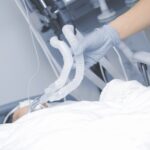
The minimally invasive bronchoscopic system applies metered doses of medical-grade liquid nitrogen to abnormal airway lining to ablate damaged tissue without forming scar tissue, with the goal of restoring healthier epithelium and improving mucociliary clearance, according to the company.
“The publication of the SPRAY-CB results represents the culmination of more than a decade of research, development and clinical investigation of RejuvenAir,” said Wendelin Maners, president and chief executive officer of CSA Medical, in a news release. “These pivotal results support the potential for RejuvenAir to become the first interventional therapy developed specifically for chronic bronchitis and to establish an entirely new category of treatment for these patients.”
The RejuvenAir System previously received Breakthrough Device Designation from the Food and Drug Administration (FDA) and is currently under FDA review, the company stated in the news release, noting the device is not yet commercially available in the US. In the US healthcare system, an estimated 16 million individuals live with COPD, including more than 9 million diagnosed with chronic bronchitis, according to estimates cited by the company.