Targeting key cellular proteins may provide new opportunities to diagnose, prevent, and treat pulmonary arterial hypertension.
RT’s Three Key Takeaways:
- Novel Therapeutic Targets: Researchers identified an imbalance between two proteins, P2X7R and c-IAP2, that contributes to the progression of pulmonary arterial hypertension.
- Promising Preclinical Results: In animal models, blocking the inflammatory protein P2X7R with a targeted compound reduced key markers of the vascular disease.
- Global Disease Impact: The findings could lead to earlier diagnosis and improved interventions for schistosomiasis-associated pulmonary arterial hypertension, which affects more than 1 million people worldwide.
Investigators at the University of Illinois Chicago (UIC) have identified two potential therapeutic targets for pulmonary arterial hypertension (PAH), according to the organization. The discovery offers a potential pathway to diagnose, prevent, and treat the incurable and life-threatening vascular condition.
“I do expect that this research can lead to a better therapy and an early diagnostic approach for preventing the progression of this life-threatening disease and, of course, improving quality of life of the people in general,” said Suellen D’Arc dos Santos Oliveira, assistant professor of anesthesiology, physiology, and biophysics in the UIC College of Medicine, in a news release.
Underlying Mechanisms of Pulmonary Vascular Disease
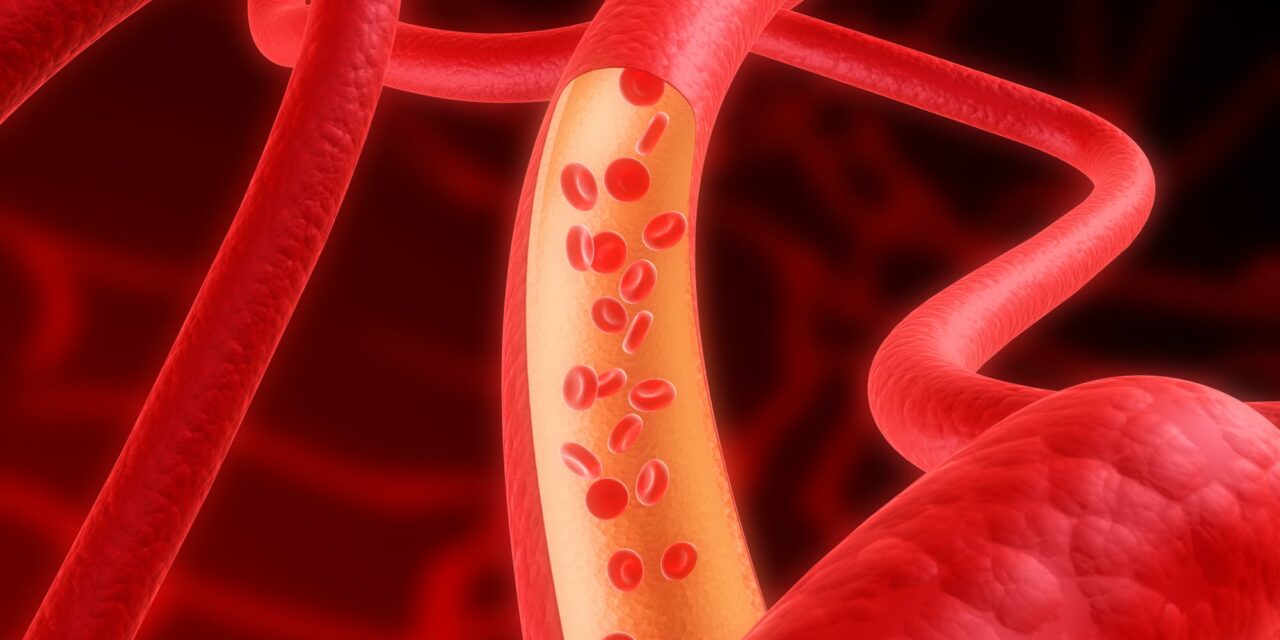
In healthy cardiovascular function, the right ventricle pumps oxygen-depleted blood into the lungs, where it receives oxygen before circulating throughout the body, the researchers noted. However, when the pulmonary arteries thicken and narrow, blood flow is restricted, forcing the right ventricle to work harder and causing severe high blood pressure in the pulmonary vasculature, which can ultimately lead to heart failure, require lung transplantation, or prove fatal.
According to the study authors, PAH has multiple etiologies, but globally the most prevalent cause is infection by Schistosoma mansoni, a tropical parasite that deposits eggs in abdominal blood vessels. Those eggs can migrate into other organs, including the pulmonary vasculature. Schistosomiasis-associated PAH represents the most common presentation of Group 1 pulmonary hypertension, affecting more than 1 million individuals across the globe, yet the underlying cellular mechanisms have remained poorly understood.
Protein Imbalance and Treatment Pathways
To evaluate the disease process, the research team evaluated patient-derived samples and genetically modified mouse models exposed to Schistosoma mansoni eggs using ultrasound imaging, microscopy, and hemodynamic testing, according to the news release.
The investigators identified a significant imbalance between two proteins: levels of P2X7R, which promotes cellular inflammation and cell death, were elevated, whereas levels of c-IAP2, which protects cells from dying, were reduced. When researchers administered brilliant blue G, a compound that inhibits P2X7R, the mice demonstrated a reduction in signs of the disease, indicating that targeting this pathway could serve as a viable therapeutic strategy.
“Of course, this is still a very initial step, and although we are super excited about the findings, I’m also very conscious of the need to perform larger translational studies,” said Oliveira, in a news release.
Multidisciplinary Collaboration
The research initiative included collaborators from Rush University, the Cleveland Clinic Foundation, Stanford University, and the federal universities of São Paulo and Rio de Janeiro in Brazil, according to the release.
“To study a disease as complex as pulmonary hypertension, I feel it is very important that we don’t get stuck in our individual research areas,” said Oliveira, in a news release. “Our team is a very interesting combination of pharmacologists, immunologists, pulmonologists, cardiologists, and more. We have people working with every single aspect of this research.”