Merck is seeking expand approval for its RSV drug Enflonsia to include children under age two through their second year of risk.
RT’s Three Key Takeaways:
- Indication Expansion: The FDA accepted a supplemental Biologics License Application for Enflonsia to prevent respiratory syncytial virus (RSV) in high-risk children under age two during their second season.
- Clinical Trial Support: Data from the Phase 3 SMART trial, which included infants with chronic lung disease and congenital heart disease, provided the basis for the regulatory submission.
- Target Action Date: The FDA is expected to make a decision on the expanded indication by March 22, 2027, following the initial approval of the monoclonal antibody for first-season infants in 2025.
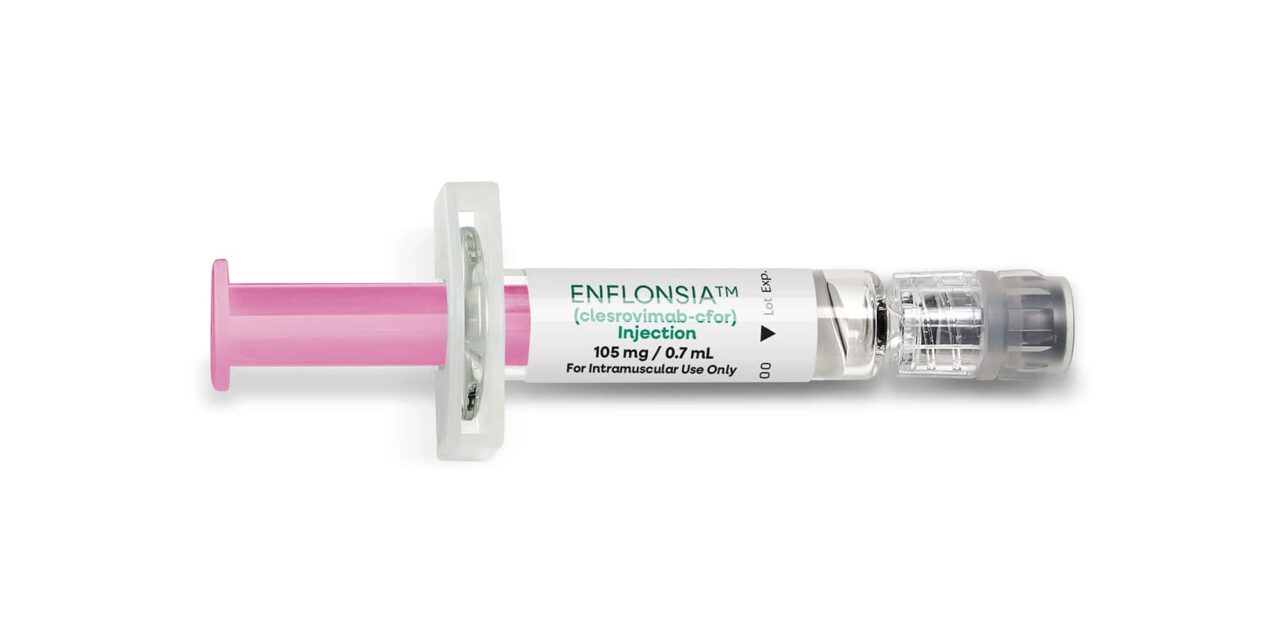
The USFDA has accepted Merck’s supplemental biologics license application (sBLA) for Enflonsia (clesrovimab-cfor). The application seeks to expand the indication to include the prevention of respiratory syncytial virus (RSV) lower respiratory tract disease (LRTD) in children under two years of age at increased risk for severe RSV disease through their second RSV season.
The FDA has set a target action date of March 22, 2027. This follows an acceptance of a similar application by the European Medicines Agency in July 2026 to expand marketing authorization in the European Union.
Enflonsia was previously approved by the FDA in June 2025 for the prevention of RSV LRTD in infants born during or entering their first RSV season. According to the company, the drug is the only preventive option against RSV LRTD administered to infants without the need for weight-based dosing.
“For some children, the potentially serious impact of RSV does not stop after their first RSV season,” said Macaya Douoguih, vice president, therapeutic area head, global clinical development, Merck Research Laboratories. “The recent FDA and EMA regulatory filings represent important opportunities to help expand protection with Enflonsia for vulnerable children under two years of age during their second RSV season – potentially further reducing the significant burden of RSV on families and healthcare systems.”
While many infants are protected during their first RSV season, certain populations remain vulnerable to severe disease during their second season. This includes children born with chronic lung disease, congenital heart disease, or early or moderate preterm birth with specific risk conditions.
The sBLA is supported by data from the Phase 3 SMART trial, a randomized, partially-blind, multicenter study. The trial evaluated the safety, efficacy, and pharmacokinetics of Enflonsia in infants and children at increased risk for severe RSV disease over two seasons. The study compared the monoclonal antibody to palivizumab in infants with chronic lung disease of prematurity or congenital heart disease.
Enflonsia is an extended half-life monoclonal antibody designed for passive immunization. It is administered using a 105 mg dose regardless of weight and is designed to provide protection through five months, which covers a typical RSV season. For infants born during the season, the drug is administered within the first week of life, while those born outside the season receive it shortly before the season begins.
RSV remains a leading cause of hospitalization among infants globally, often leading to serious respiratory conditions such as bronchiolitis and pneumonia. Merck noted that there is a persisting unmet need for preventive options for high-risk children through their second RSV season.