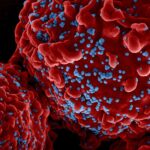
Parainfluenza virus activity is currently high across the US, while human metapneumovirus and rhinovirus/enterovirus levels are beginning to decline, according to the CDC.
RT’s Three Key Takeaways:
- Elevated Parainfluenza Levels: Parainfluenza virus activity is currently high across the US, while human metapneumovirus and rhinovirus/enterovirus levels are beginning to decline.
- Risk of Severe Infection: Infections from parainfluenza, human metapneumovirus, and rhinovirus can progress to serious conditions such as bronchitis or pneumonia.
- Low Bacterial Activity: Surveillance data show that infections from Mycoplasma pneumoniae and pertussis remain at lower levels compared to previous seasonal peaks.
Parainfluenza virus (PIV) activity is currently elevated across the US, according to updated surveillance data from the CDC.
While PIV remains high, the CDC noted that human metapneumovirus (HMPV) and rhinovirus/enterovirus (RV/EV) activities are also elevated nationally but have begun to decrease. These trends are considered expected for this time of year, according to the CDC.
These viruses typically cause symptoms such as cough, fever, nasal congestion, and shortness of breath. However, for some patients, severe infection from HMPV, PIV, or RV/EV may progress to more serious respiratory conditions, including bronchitis or pneumonia. Currently, no vaccines are available for these specific viral illnesses, making prevention measures like hand washing, surface cleaning, and staying home when sick essential in healthcare settings and the community.
The CDC also tracks bacterial respiratory infections, noting that Mycoplasma pneumoniae infections are currently low in most areas of the US. These bacteria most commonly cause tracheobronchitis, also known as chest colds, but they are also a known cause of pneumonia. The data are based on emergency department visits and positive laboratory tests.
Additionally, the CDC reported that while pertussis, or whooping cough, continues to circulate, case numbers remain lower than the peak recorded in November 2024. The agency emphasized that infants younger than 1 year remain at the highest risk for severe disease and complications from pertussis. Vaccination remains the primary strategy for preventing complications related to the highly contagious bacteria.
To monitor these trends, the CDC utilizes the National Syndromic Surveillance Program (NSSP) and other data systems to track emergency department visits and laboratory results. This surveillance helps identify how various respiratory germs affect the population, particularly when specific viruses or bacteria are not identified during initial clinical visits.