The expanded indication for Capvaxive includes children and adolescents aged 2 through 17 with chronic medical conditions.
RT’s Three Key Takeaways:
- Expanded Patient Access: The Food and Drug Administration (FDA) approved Capvaxive for children and adolescents aged 2 through 17 with chronic medical conditions who have completed their primary vaccination series.
- Targeted Protection: Capvaxive is the only pneumococcal conjugate vaccine specifically indicated and studied in the US for this high-risk pediatric population.
- High Serotype Coverage: Surveillance data indicate the vaccine covers serotypes responsible for approximately 79% of invasive pneumococcal disease cases in children with risk conditions.
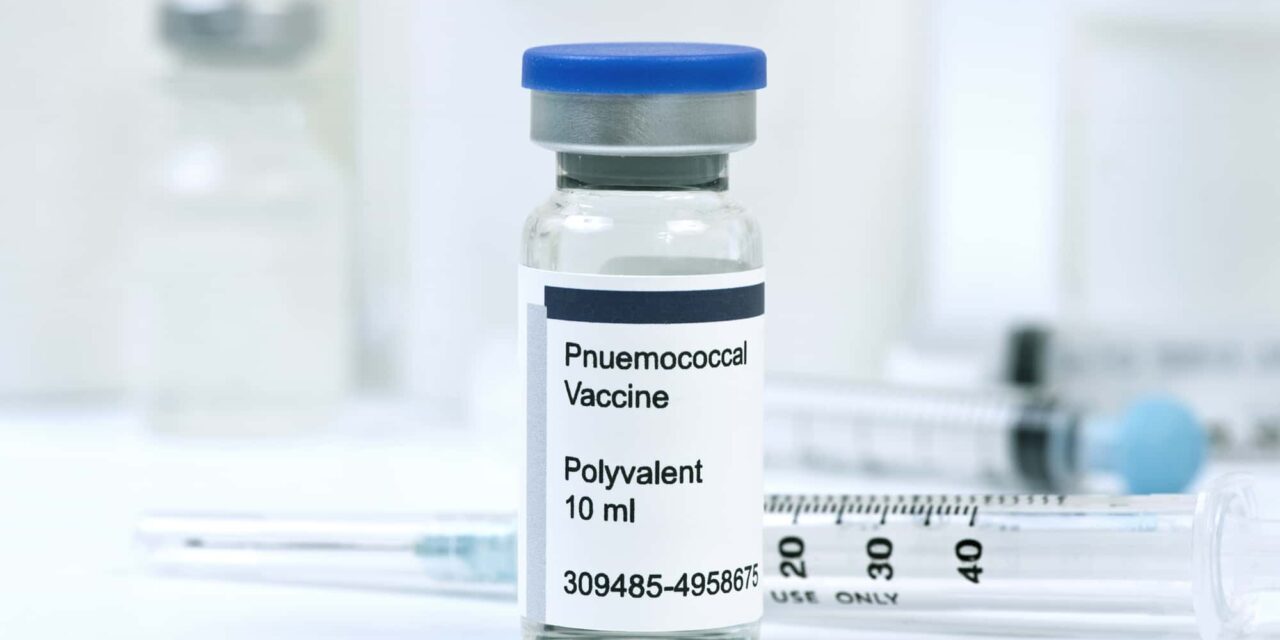
The USFDA approved an expanded indication for Capvaxive (Pneumococcal 21-valent Conjugate Vaccine) to include children and adolescents aged 2 through 17 years, according to Merck.
The approval specifically targets pediatric patients who have completed a primary pneumococcal vaccination series and have one or more chronic medical conditions that increase their risk for pneumococcal disease. Capvaxive is currently the only pneumococcal conjugate vaccine specifically indicated and studied in the US for this patient population.
“Children and adolescents with certain chronic conditions are at an increased risk for pneumococcal disease, including pneumonia, meningitis, and bloodstream infections,” said Dr Rotem Lapidot, chief of pediatric infectious diseases at Rambam Healthcare Campus and investigator for the STRIDE-13 trial, in a news release. “This approval recognizes the potential of Capvaxive to deliver additional protection by including serotypes not contained in approved primary pediatric PCV series, and represents a new approach to helping protect children and adolescents at increased risk for pneumococcal disease.”
The FDA based the expanded indication on data from the Phase 3 STRIDE-13 trial, which compared Capvaxive to the pneumococcal 23-valent polysaccharide vaccine in children and adolescents aged 2 through 17. Participants in the study had completed a primary pediatric pneumococcal vaccination series and had at least one chronic medical condition, such as chronic heart disease, chronic lung disease, diabetes, or chronic kidney disease.
“While Capvaxive was specifically designed for adults, it may also offer additional disease protection for this specific population of children and adolescents, when given after the primary pediatric pneumococcal vaccination series,” said Dr Paula Annunziato, senior vice president, infectious diseases and vaccines, global clinical development, Merck Research Laboratories, in a news release.
The expanded indication complements existing vaccination series. According to a 2025 study of CDC surveillance data from 2015 to 2019, Capvaxive covers the serotypes responsible for approximately 79% of invasive pneumococcal disease (IPD) cases in children under 18 with at least one risk condition. In this group, the 11 unique serotypes included in Capvaxive account for approximately 40% of IPD cases.
Capvaxive is administered as a single dose. It should not be administered to individuals with a history of severe allergic reaction to any component of the vaccine or to diphtheria toxoid. While approved for invasive disease prevention in this pediatric group, its indication for the prevention of pneumonia in adults was granted under accelerated approval based on immune responses, with continued approval potentially contingent on clinical benefit verification in future trials.