Secondhand Vapor Tied to Pediatric Asthma Flare-Ups
Exposure to secondhand vapor from e-cigarettes independently increases respiratory symptoms and asthma attacks in children, according to study findings.


Exposure to secondhand vapor from e-cigarettes independently increases respiratory symptoms and asthma attacks in children, according to study findings.

Exposure to secondhand vapor from e-cigarettes independently increases respiratory symptoms and asthma attacks in children, according to study findings.
Read More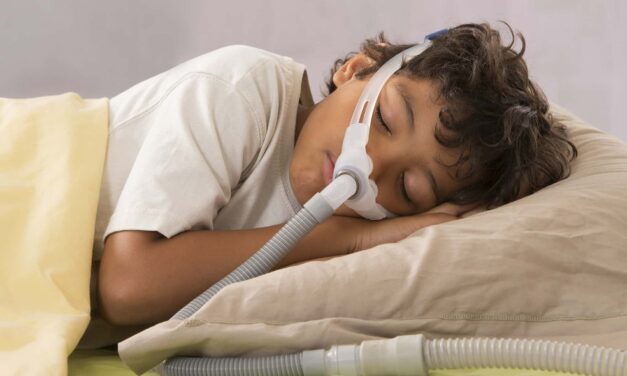
Secondhand tobacco smoke increased sleep interruptions in pediatric patients, even when traditional apnea measures remain unchanged.
Read More
Data from 2022 to 2025 indicate that current tobacco use, including e-cigarettes and cigarettes, has decreased among US middle and high school students.
Read More
Researchers at UC San Diego developed a new scale to measure how social norms around cigarette...
Read More
Children from low socioeconomic regions suffer disproportionately, with disease burden rates up to 30 times higher than in high-income regions due to weaker tobacco control and higher household exposure.
Read More
Fathers exposed to tobacco smoke during prepuberty may reduce risk for future generations by avoiding smoking around their children.
Read More
Air pollution, traditional herbal medicines, and other environmental exposures are linked to genetic mutations that may contribute to the development of lung cancer in people with no or hardly any history of smoking.
Read More
Exposure to thirdhand smoke is underestimated, according to a study of over 150 children that found 100% tested positive for low levels of cotinine—a biomarker of tobacco exposure.
Read More
The report estimates over 490,000 annual US deaths are linked to tobacco use and secondhand smoke and emphasizes the need to address persistent disparities in tobacco-related health outcomes.
Read More
WHO releases a new knowledge summary highlighting the effects of tobacco use on asthma development and management.
Read More
A new study looks at how smoking status and age impact lung cancer risk.
Read More
Researchers have developed a battery-free, wearable device that could monitor nicotine exposure from e-cigarettes and combustible cigarettes in real-time, according to a report in ACS Sensors.
Read More
Products like e-cigarettes and other flavored tobacco products, including menthol cigarettes, create concern for losing another generation to nicotine addiction, the American Lung Association’s annual “State of Tobacco Control” report says.
Read More
Chronic exposure to an “environmentally relevant concentration” of secondhand smoke (SHS) impairs muscle cells within heart tissue and their constriction, according to a new study published in Function.
Read More
Environmental tobacco smoke exposure in utero and during early childhood—especially secondhand smoke—is associated with decreased childhood lung function.
Read More
Detectable nicotine from cigarette smoke was observed in 64.2% of hair samples from infants with RSV.
Read More
New research reveals that children who live with smokers may end up in the doctor’s office or hospital more frequently than kids not exposed to tobacco smoke.
Read More
A new study finds women who have never smoked, but were exposed to secondhand smoke, were at greater risk for fetal loss.
Read More
Secondhand smoke kills, and even brief exposure to it can cause harm, according to a 2006 Surgeon General’s report on secondhand smoke.
Read MoreAmir Shams, PhD, an assistant professor of microbiology and immunology at the University of Texas Health Center at Tyler, received a $325,000, 3-year grant from the Flight Attendants Medical Research Institute (FAMRI) to investigate whether secondhand cigarette smoke makes individuals more susceptible to infection by the TB bacterium.
Read More
A BMJ study that suggests secondhand smoke may not be as harmful as once believed has provoked strong criticism from medical professionals, who claim the study is flawed or even intended to confuse the lay public.
Read More
More than half of women smokers do not quit during pregnancy. Nevertheless, this condition provides an ideal “teachable moment” with patients who might not know the full implications of environmental smoke damage.
Read More
The smoking habits of adults are taking a deadly toll on children.
Read More