Laughter Therapy Comparable to Breathing Exercises for COPD Patients
Deliberate laughter therapy exercises are as effective as traditional breathing techniques for improving symptoms and overall health.


Deliberate laughter therapy exercises are as effective as traditional breathing techniques for improving symptoms and overall health.

Deliberate laughter therapy exercises are as effective as traditional breathing techniques for improving symptoms and overall health.
Read More
Insurance coverage is a significant barrier to accessing virtual pulmonary rehabilitation programs for people with COPD.
Read More
Patients with long COVID receiving individualized cognitive rehab showed significantly higher goal attainment scores at three months compared to standard care.
Read More
Pediatric pulmonary rehab programs enhance exercise capacity, strength, and quality of life even when lung function measurements remain stable.
Read More
Sleep metrics from wrist monitors can identify which COPD patients may need more support during pulmonary rehab.
Read More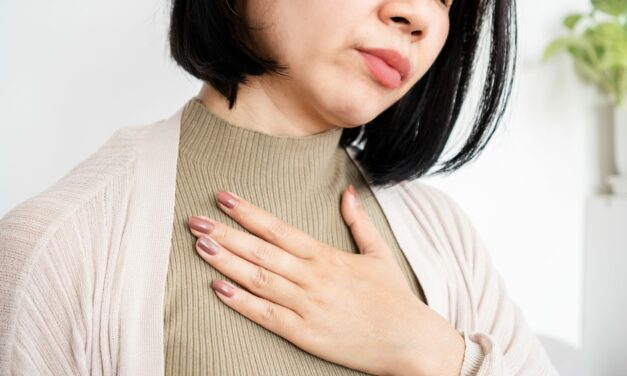
Non-pharmacological strategies like breathing techniques and positioning help COPD patients manage acute episodes and improve confidence.
Read More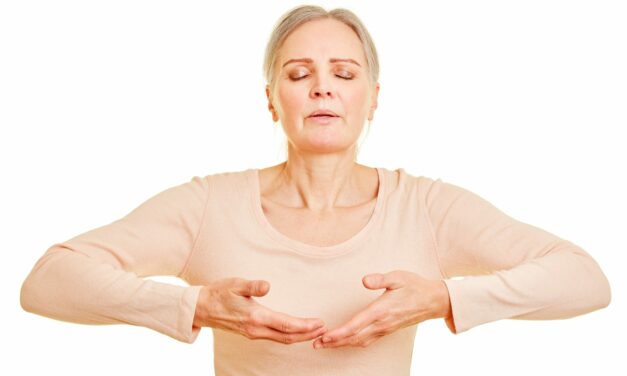
Pulmonary rehabilitation helps improve breathing and quality of life, and comprehensive PR programs deliver physical and emotional benefits for respiratory patients.
Read More
Despite overwhelming evidence of its benefits, pulmonary rehab utilization is surprisingly low among COPD patients. This article will provide 7 key components that RTs can use to effectively design and implement a COPD pulmonary rehab program.
Read More
Nonin Medical’s WristOx2 Model 3150 offers oxygen saturation and pulse rate monitoring for patients in home and hospital settings.
Read More
An Online Behavior Change Intervention may strengthen motivation and perceived capability, and may support asthma control and quality of life, even when objective physical activity does not increase.
Read More
Long-term pulmonary rehab led to higher VO2 peak, greater peak workload, longer exercise duration, and increased daily physical activity in patients with idiopathic pulmonary fibrosis (IPF).
Read More
An eight-week exercise-based rehabilitation program improved immune function in patients with long COVID.
Read More
A weekly 90-minute online group singing session delivered for 12 weeks over Zoom was associated with improved quality of life in patients with COPD or interstitial lung disease.
Read More
New data suggests creating a COPD care pathway helps standardize COPD treatment and improves patient outcomes.
Read More
Patients with moderate obstructive sleep apnea who practiced conch shell blowing (shankh blowing) slept better, felt more alert during the day and had fewer breathing interruptions at night.
Read More
Yoga, Tai Chi, walking, and jogging were found to significantly improve sleep quality and ease insomnia.
Read More
Patients who saw physiotherapists first experienced a two-month reduction in wait times and earlier access to educational pain management programs.
Read More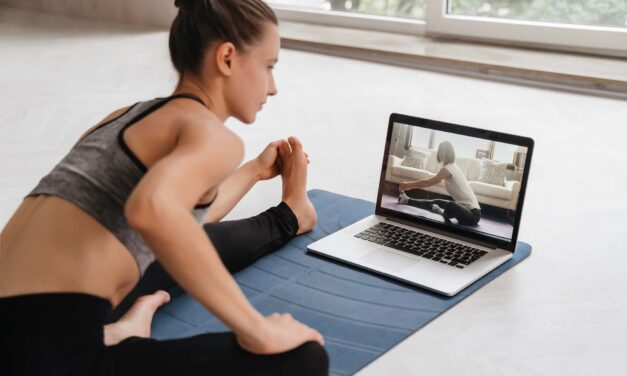
New research says virtual pulmonary rehabilitation is a safe alternative to traditional PR programs for COPD patients with or without supplemental oxygen needs.
Read More
Resistance or muscle strengthening exercise, using weights or the body itself, may be the best type of exercise for tackling insomnia in older age.
Read More
Actively preparing for major surgery by exercising and improving diet (“prehabilitation”) is associated with fewer complications, less time in hospital, and improved recovery and quality of life in adults.
Read More
A Yale-led study reveals geographic regions where this type of care is most lacking and illustrates the potential for telemedicine in helping to bridge this gap.
Read More
According to a nationwide study, pulmonary rehab rates in South Korea gradually increased from 0.03% to 1.4% during a four-year period, but that number remains “suboptimal.”
Read More
Studies show that those with long COVID may benefit from physical therapy services as soon as they are able to tolerate physical activity.
Read More
Eleven states have the highest COPD rates in the country, according to the American Lung Association’s COPD State Briefs, with one state’s prevalence rate reaching 13.6%.
Read More