Breztri Aerosphere Now Available in the US for Asthma
AstraZeneca's triple-combination asthma therapy Breztri Aerosphere was approved in April 2026 for adults and pediatric patients age 12 and older.
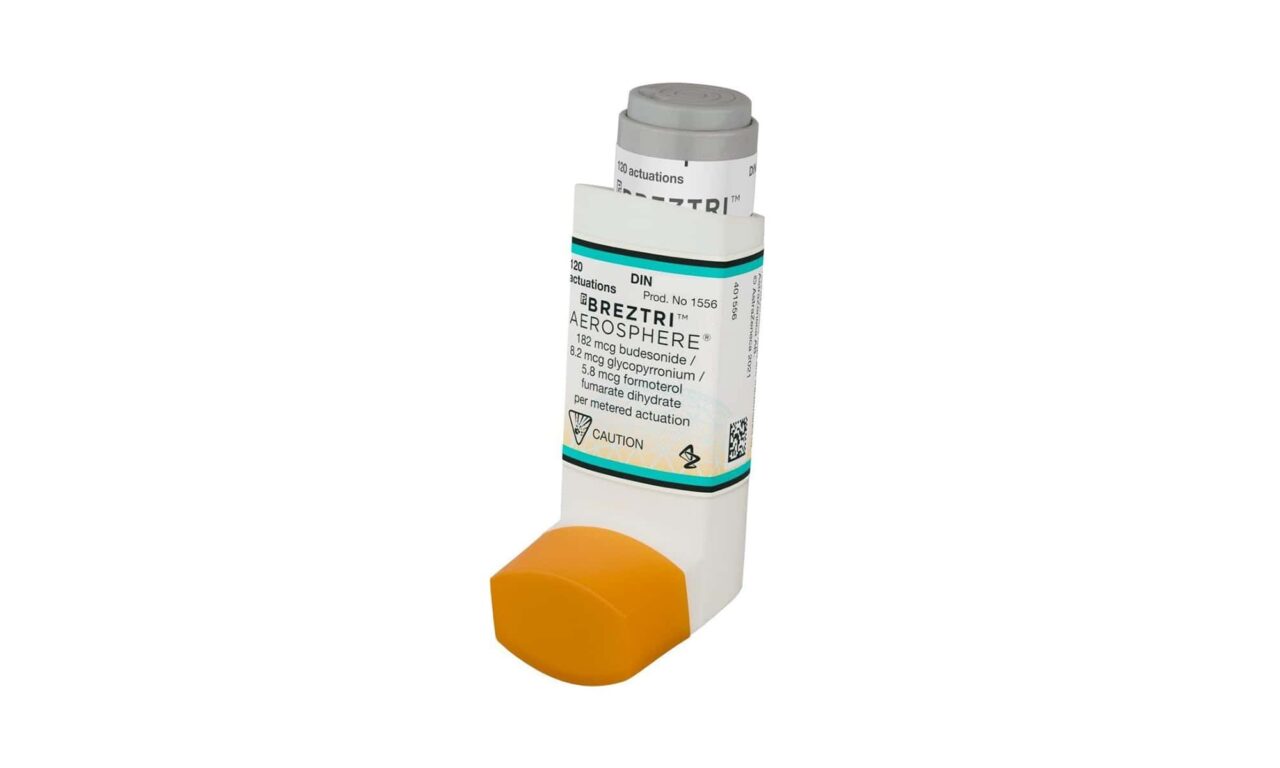
AstraZeneca's triple-combination asthma therapy Breztri Aerosphere was approved in April 2026 for adults and pediatric patients age 12 and older.
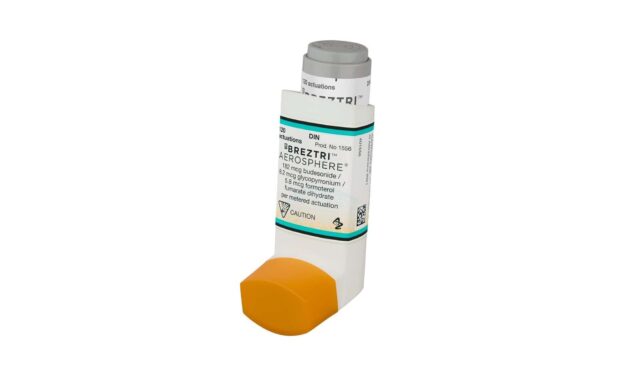
AstraZeneca’s triple-combination asthma therapy Breztri Aerosphere was approved in April 2026 for adults and pediatric patients age 12 and older.
Read More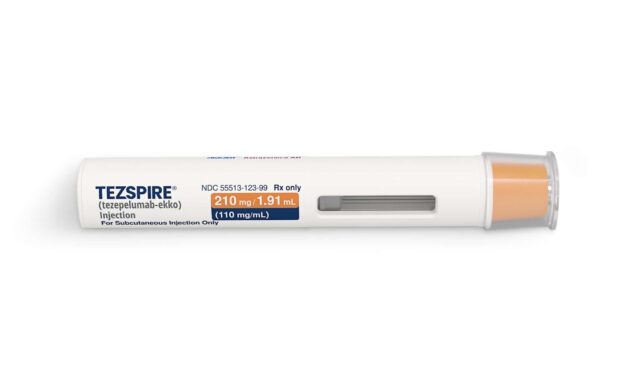
A new study shows tezepelumab (Tezspire) reduced asthma exacerbations by 70% across all patient subgroups, including smokers and those with comorbid conditions.
Read More
Benralizumab (Fasenra) is now indicated to reduce the risk of flare ups for adult and pediatric patients with hypereosinophilic syndrome.
Read More
The MIRANDA study found tozorakimab significantly lowered the rate of moderate-to-severe respiratory worsening in patients regardless of smoking history or specific white blood cell counts.
Read More
The single-inhaler therapy Breztri Aerosphere is now indicated for maintenance treatment in adults and pediatric patients who remain symptomatic on dual therapies.
Read More
The monoclonal antibody Tozorakimab showed significant clinical benefit in reducing COPD flare-ups for a broad range of patients, including former and current smokers.
Read More
AstraZeneca’s Breztri Aerosphere demonstrated statistically significant and clinically meaningful improvements in patients with uncontrolled asthma compared with other pharmacology.
Read More
A Phase III NATRON trial found Fasenra (benralizumab) had benefits for patients with hypereosinophilic syndrome (HES).
Read More
The European Commission approved Tezspire (tezepelumab) as an add-on therapy with intranasal corticosteroids for adults with severe chronic rhinosinusitis with nasal polyps (CRSwNP).
Read More
AstraZeneca and Amgen’s Tezspire (tezepelumab) has been recommended for approval in the European Union (EU) for the treatment of adult patients with chronic rhinosinusitis with nasal polyps (CRSwNP).
Read More
The US FDA approved a supplemental new drug application for Airsupra, expanding the drug’s reach to all asthma patients age 18+.
Read More
Treatment with tezepelumab (Tezspire) can substantially reduce or eliminate oral corticosteroid (OCS) use in adults with OCS-dependent severe asthma, according to new Phase 3 WAYFINDER results presented at ATS 2025.
Read More
Results from the BATURA Phase IIIb trial found that albuterol–budesonide (AirSupra) demonstrated a 47% reduction in the risk of severe exacerbations in mild asthma compared with albuterol alone
Read More
Healthy Lungs California will expand its early lung cancer screening initiative thanks to a partnership between the University of California Lung Cancer Consortium and AstraZeneca.
Read More
Tezspire, an add-on maintenance treatment of adult and pediatric patients aged 12 years and older with severe asthma, showed significant benefits for patients with chronic rhinosinusitis with nasal polyps (CRSwNP) in a Phase 3 clinical trial.
Read More
Datopotamab deruxtecan, designed for patients with advanced EGFR-mutated NSCLC resistant to prior therapies, could offer a new option pending FDA approval.
Read More
AstraZeneca’s Imfinzi (durvalumab) has been approved in the United States for the treatment of adult patients with limited-stage small cell lung cancer.
Read More
AstraZeneca’s inhaled anti-inflammatory rescue medication demonstrated significant benefit compared to albuterol in a phase IIIb trial.
Read More
The FDA has approved osimertinib for adult patients with stage III NSCLC whose tumors have specific EGFR mutations, following chemoradiation therapy.
Read More
The approval was based on trial results which showed the regimen reduced the risk of recurrence, progression, or death by 32% versus neoadjuvant chemotherapy alone.
Read More
The unexpected finding of pre-existing T-cell reactivity to the AstraZeneca and Janssen vaccines may explain why some people rarely developed thrombotic thrombocytopenia syndrome after vaccination.
Read More
New data presented at ATS 2024 show the potential of Tezspire to play a role in the future treatment of COPD.
Read More
The additional indication is for pediatric patients aged 6-11 with severe eosinophilic asthma.
Read More
Starting June 1, eligible patients will pay no more than $35 per month for all AstraZeneca US inhaled respiratory medicines.
Read More