Americans Prioritize Work and Family Over Sleep
New survey data reveals that work, school, and household duties often eclipse recommended sleep duration across American households.

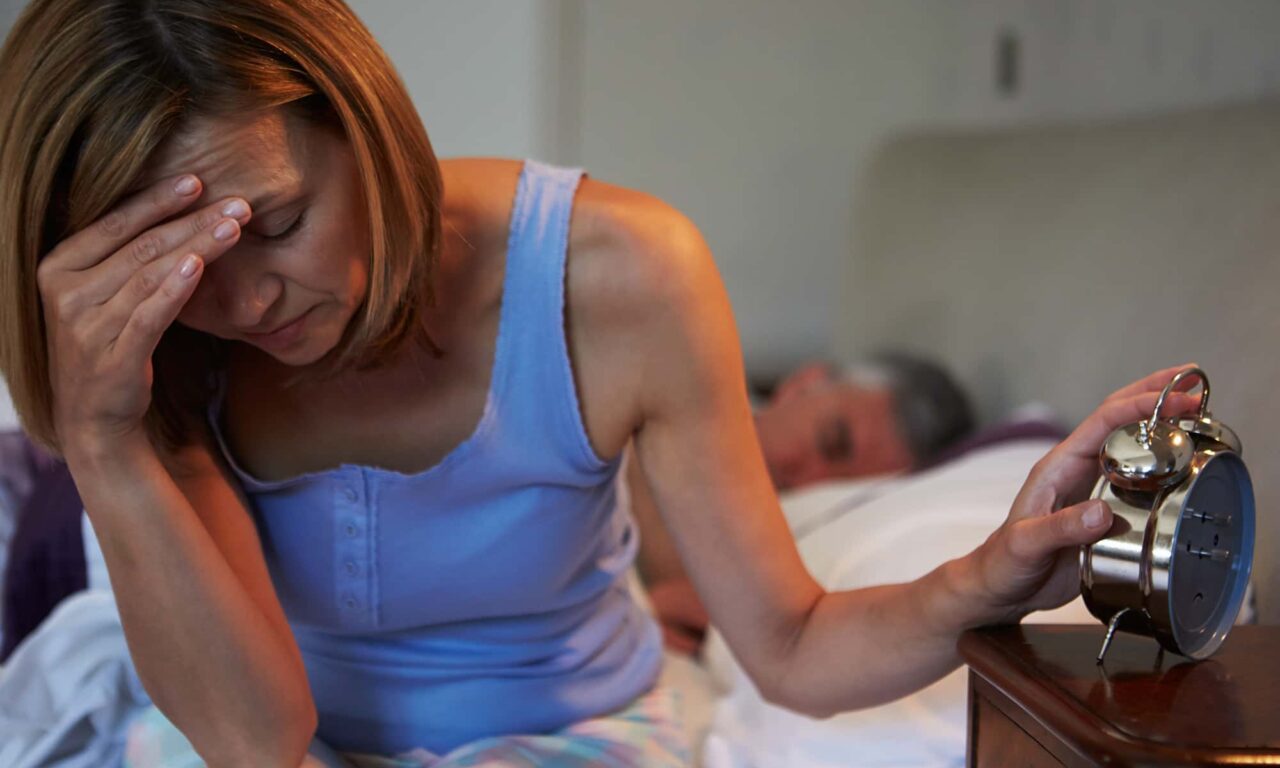
New survey data reveals that work, school, and household duties often eclipse recommended sleep duration across American households.
New survey data reveals that work, school, and household duties often eclipse recommended sleep duration across American households.
Read More
Remote work from home adds 15 minutes of daily sleep but increases sitting and lying down by 45 minutes.
Read More
The American Academy of Sleep Medicine highlights the importance of healthy sleep for academic and physical development during Student Sleep Health Week.
Read More
Older adults treated with targeted behavioral therapy experienced higher insomnia remission rates...
Read More
Patients experiencing both excessive daytime sleepiness and prolonged sleep-onset latency face a significantly higher risk of hypertension.
Read More
Women’s attitudes and beliefs regarding sleep during pregnancy are significant predictors of sleep disruption after delivery.
Read More
Age, income, and personal attitudes influence the financial value individuals assign to their sleep.
Read More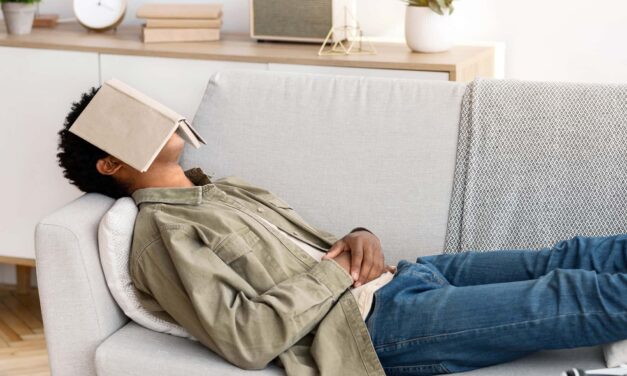
Napping for more than 30 minutes daily significantly increases the likelihood of developing chronic liver conditions in individuals with type 2 diabetes.
Read More
Military veterans with comorbid insomnia and sleep apnea (COMISA) face a significantly greater chance of developing diabetes than those with only one condition.
Read More
New AASM survey data shows men and younger adults are most likely to report better sleep with marijuana use.
Read More
Poor sleep is associated with increased tau protein accumulation and memory issues specifically in women with a higher genetic predisposition to Alzheimer’s disease.
Read More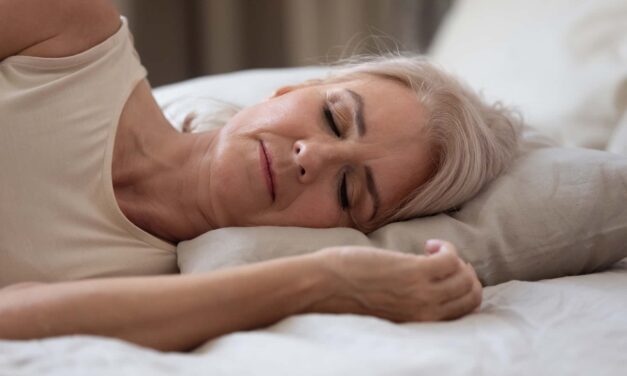
New AASM survey data shows that more than 35% of women age 45-64 report frequent nighttime waking and night sweats caused by menopause hormonal changes.
Read More
Dementia risk increased in patients whose circadian rhythms peaked later in the day or if the rhythms were weak and fragmented.
Read More
Comorbid insomnia and sleep apnea (COMISA) was significantly associated with worse verbal memory outcomes in women, but not in men.
Read More
Researchers analyzed health records from nearly 2 million patients and discovered higher dementia risk for patients with insomnia, depression, and both depression and insomnia.
Read More
A nationwide survey reveals 72% of adults say sleepiness sometimes, often, or always affects their daily activities, including mood, stress or anxiety levels, and work productivity.
Read More
On Sunday, November 2nd, the United States will shift from daylight savings time to standard time, but sleep experts are renewing calls to end the seasonal time shift.
Read More
Women who had C-sections are 16% more likely to develop new sleep disorders—such as insomnia or sleep apnea—within a year after childbirth.
Read More
Daytime sleepiness is a symptom of sleep deficiency that affects up to 20% of adults and may increase the risk of perioperative neurocognitive disorders (PNDs).
Read More
Insomnia patients using cannabis-based medical products reported better sleep quality, as well as reduced anxiety, depression, and pain.
Read More
New data suggests reciprocal links between certain groups of gut bacteria and the risk of insomnia.
Read More
Yoga, Tai Chi, walking, and jogging were found to significantly improve sleep quality and ease insomnia.
Read More
Older adults with insomnia who experience increased inflammation are three times more likely to develop depressive symptoms than healthy sleepers.
Read More
Scientists suggest sleep plays a role in boosting insight and the ability to experience “eureka” moments.
Read More