Longer Sleep Linked to Higher Kidney Disease Risk in Type 2 Diabetes
People with type 2 diabetes who habitually sleep for longer durations face an increased risk of developing or worsening diabetic kidney disease.


People with type 2 diabetes who habitually sleep for longer durations face an increased risk of developing or worsening diabetic kidney disease.

People with type 2 diabetes who habitually sleep for longer durations face an increased risk of developing or worsening diabetic kidney disease.
Read More
Older adults who nap most days or every day face a 48% higher risk of developing dementia compared to those who rarely or never nap.
Read More
65% of adults who acknowledged driving while sleepy drink coffee or caffeinated beverages as a tactic to remain alert behind the wheel.
Read More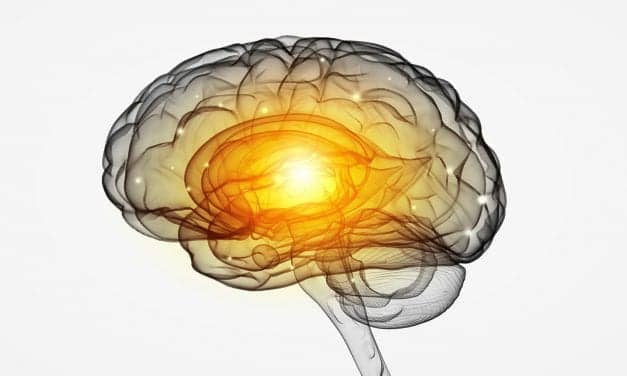
A newly identified group of brain cells actively promotes sleep and coordinates brain rhythms, challenging long-held theories on sleep regulation.
Read More
UT Southwestern sleep researcher Masashi Yanagisawa, MD, PhD, earned the award for his work identifying the sleep-regulating brain peptide orexin, which has led to new treatments for sleep disorders.
Read More
Orzeyful is the first drug to target the underlying loss of orexin signaling to address the full range of narcolepsy type 1.
Read More
Patients experiencing both excessive daytime sleepiness and prolonged sleep-onset latency face a significantly higher risk of hypertension.
Read More
Age, income, and personal attitudes influence the financial value individuals assign to their sleep.
Read More
Degeneration in the locus coeruleus, alongside the hypothalamus, contributes to sleepiness and muscle weakness in narcolepsy type 1.
Read More
Dementia risk increased in patients whose circadian rhythms peaked later in the day or if the rhythms were weak and fragmented.
Read More
On Sunday, November 2nd, the United States will shift from daylight savings time to standard time, but sleep experts are renewing calls to end the seasonal time shift.
Read More
New survey results report that 41% of American adults have felt so sleepy while driving that it affected their ability to drive safely.
Read More
Scientists suggest sleep plays a role in boosting insight and the ability to experience “eureka” moments.
Read More
Certain objectively measured daytime napping behaviors are associated with an increased risk of mortality for middle-to-older aged adults, according to a new study presented at Sleep 2025.
Read More
Strong family relationships and high parental engagement are among the aspects of social connectedness that are associated with sufficient sleep duration in pre-teen children.
Read More
Excessive daytime sleepiness is associated with higher odds of all-cause mortality in middle-aged women but not in younger or older women, according to a new study at Sleep 2025.
Read More
Oral microbiome diversity is positively associated with long sleep duration among teenagers and young adults, according to a new study to be presented at Sleep 2025.
Read More
Antidepressants that suppress REM sleep are associated with improved survival in people with amyotrophic lateral sclerosis (ALS), according to research at ATS 2025.
Read More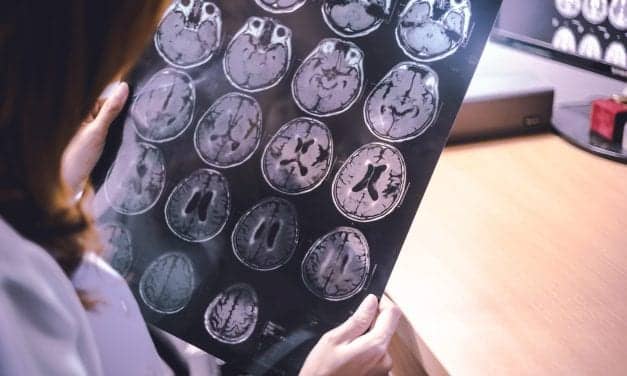
A study published in Neurology found that women in their 80s who experienced increasing daytime sleepiness over five years had double the risk of developing dementia.
Read More
As the annual “spring forward” to observe daylight saving time approaches on March 9, new Gallup polling data reveals a majority of Americans want to eliminate the practice.
Read More
Results from ResMed’s fifth annual Global Sleep Study reveal the toll that poor sleep takes on health, work, and relationships.
Read More
Sleeping too little or too long is linked with a shorter lifespan, but scientists have found that exercise counteracts some of these negative effects, according to a study of more than 90,000 adults.
Read More
Poor sleep is associated with a significantly increased risk of COPD exacerbations, according to a new study supported by the National Institutes of Health.
Read More
Multiple measures of sleep patterns and sleep efficiency are associated with lifetime diagnoses of mental illness, according to a new study that used wrist accelerometer data to track sleep.
Read More