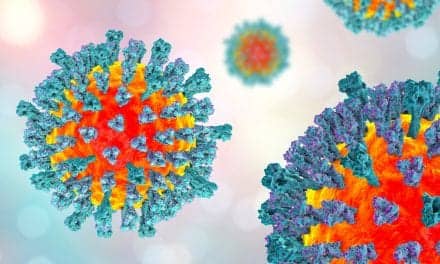
New research reveals how cellular membrane stress signals the immune system to fight enveloped viral infections like parainfluenza.
RT’s Three Key Takeaways:
- Rapid Antiviral Alert: Researchers identified that host cellular membrane fusion from enveloped viruses causes mechanical disruptions that rupture the cell nucleus, prompting an immune alarm within one hour.
- Broad Viral Mechanism: The defense pathway is activated by enveloped viruses that fuse at the cell surface—including parainfluenza—releasing nuclear DNA into the cytoplasm to activate cGAS and interferon defenses.
- Therapeutic Applications: Understanding how cells trigger rapid immune responses offers avenues for fine-tuning viral vectors, vaccines, and treatments for viral respiratory infections and other diseases.
Researchers at Harvard Medical School have discovered the cellular mechanism that allows human cells to identify invading viruses and initiate an immune defense within one hour of infection, according to a study published in the Proceedings of the National Academy of Sciences (PNAS).
The findings explain how human cells alert the immune system to the presence of enveloped viruses, providing fundamental insights that could inform vaccine optimization, gene therapies, and treatments for respiratory pathogens and other infectious illnesses across healthcare.
“It’s important to understand the details of how viruses and the body’s immune system interact, because those details give us a better idea of how we can use the same techniques to build better medicines,” said senior author David Knipe, PhD, the Higgins professor of microbiology and molecular genetics in the Blavatnik Institute at Harvard Medical School.
Mechanical Tremors Trigger Nuclear Rupture
For years, scientists have recognized that the body dispatches interferon within an hour after an enveloped virus enters a cell, and that a cellular protein known as cGAS activates this defense after detecting loose DNA in the cytoplasm. However, the origin of that DNA remained an open question, particularly during infections by RNA viruses that do not carry viral DNA.
Led by first author Nicolás Romero, a former postdoctoral fellow at Harvard Medical School now at Tufts University, the research team conducted human cell culture experiments using herpesvirus engineered to prevent independent replication. The investigators determined that when an enveloped virus fuses its outer lipid membrane with the host plasma membrane, the physical entry creates turbulent contractions along the cell’s actin microfilament scaffolding.
These structural contractions cause brief ruptures in the nuclear envelope, permitting host cellular DNA fragments to escape from the nucleus into the cytoplasm. The cGAS sensor detects this displaced host DNA and triggers the rapid release of interferon, which recruits additional protective molecules to halt the spread of the infection.
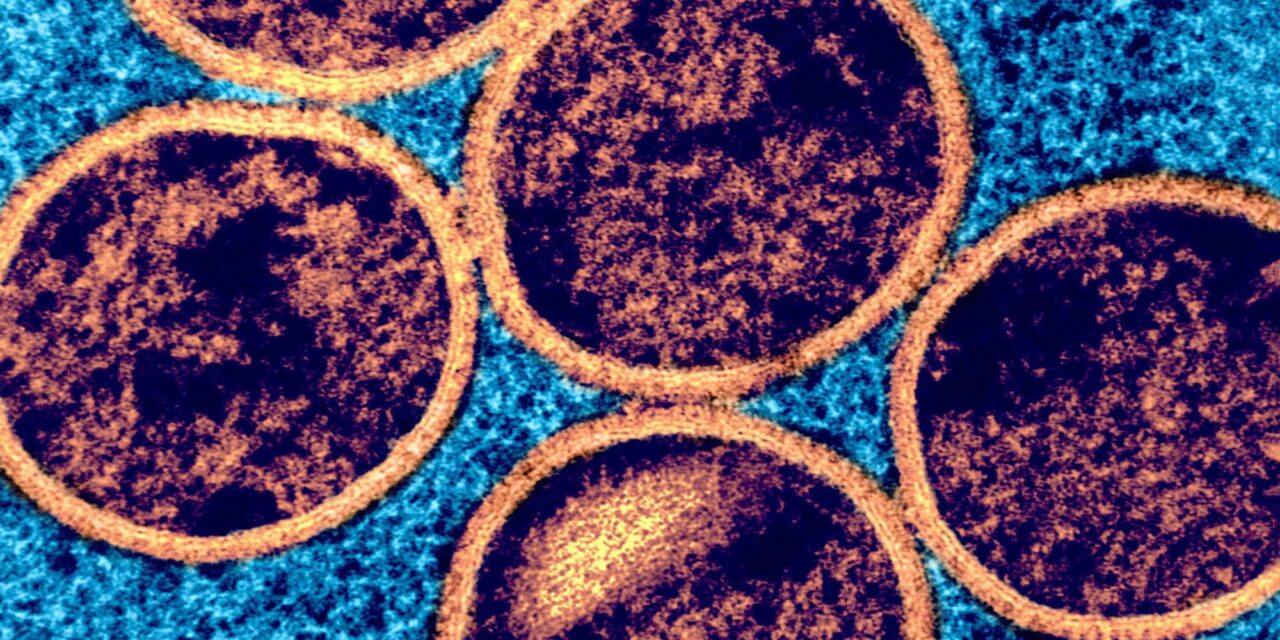
The investigators confirmed these observations using light microscopy, transmission electron microscopy, and immunogold labeling.
Implications for Enveloped Viruses and Medical Therapies
The study confirmed that this rapid immune cascade is not limited to herpesviruses. The researchers verified that any enveloped virus entering host cells via membrane fusion—including human parainfluenza virus, a significant respiratory pathogen—elicits this nuclear rupture and immune response.
Conversely, non-enveloped viruses that enter host cells through endocytosis did not disrupt the nuclear membrane or provoke the cGAS-mediated interferon cascade.
Understanding these mechanical cellular triggers could aid in the design of viral vectors and vaccines by allowing scientists to calibrate how host defenses react.
“By understanding how cells and viruses operate, we can crank up the immune response or dampen it, depending on how we want the virus and the body to behave,” said Knipe.