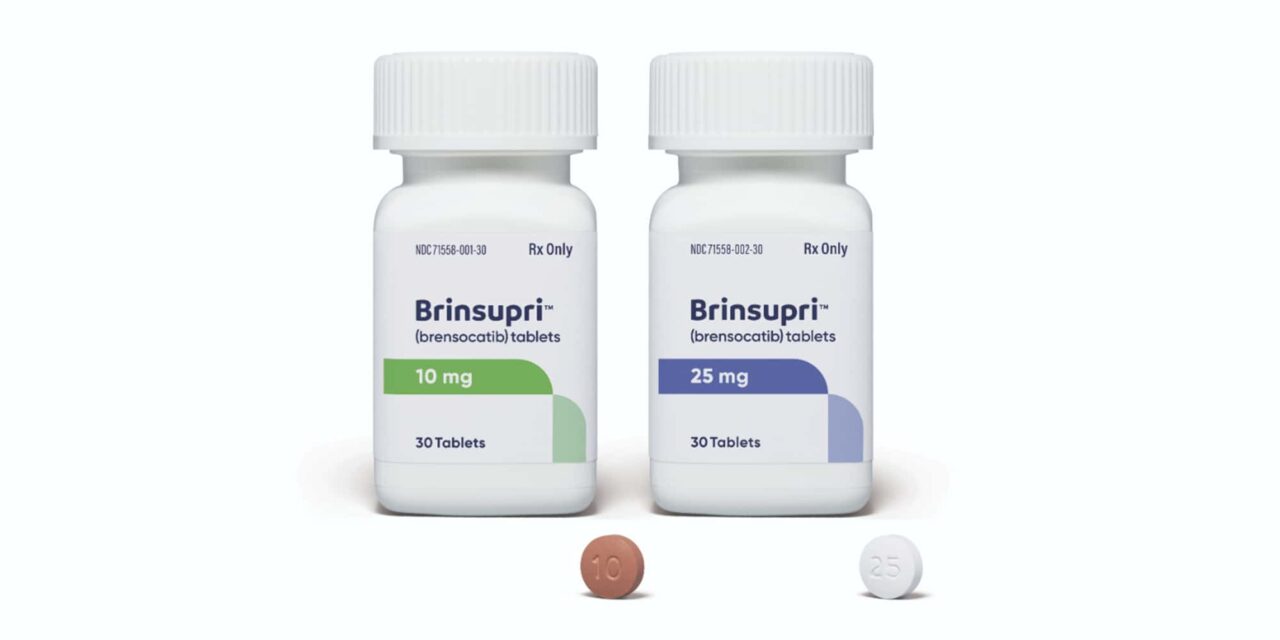
Japan’s Ministry of Health, Labour and Welfare (MHLW) has approved Brinsupri (brensocatib 25-mg tablet), an oral, once-daily treatment for non-cystic fibrosis bronchiectasis (NCFB) in adults and pediatric patients 12 years and older, according to Insmed Inc.
Brinsupri, the first and only MHLW-approved treatment for NCFB, finally gives patients with NCFB and clinicians who treat the disease an option to manage this chronic and progressive disease that can lead to permanent lung damage and lung function decline. With this approval, Brinsupri is now approved for use in the US, Europe, and Japan.
“Today’s approval of Brinsupri represents a profound milestone for people living with bronchiectasis in Japan,” said Martina Flammer, MD, MBA, Chief Medical Officer of Insmed. “Patients have long faced a relentless cycle of exacerbations and declining lung function, with available care largely limited to symptom management. This approval reflects the contributions of patients and researchers who made this clinical evidence possible, as well as Insmed’s enduring commitment to developing therapies that address significant unmet needs in respiratory diseases, including bronchiectasis care.”
The approval of Brinsupri by the MHLW for the treatment of patients living with NCFB is based on results from the Phase 3 ASPEN study, which demonstrated that brensocatib significantly reduced pulmonary exacerbations compared with placebo over the 52-week treatment period and met multiple key secondary endpoints, including significantly prolonging the time to first exacerbation and significantly increasing the proportion of patients remaining exacerbation-free over the treatment period. Patients treated with brensocatib 25 mg also demonstrated significantly lower lung function decline at week 52, as measured by post bronchodilator forced expiratory volume in 1 second (FEV1), a standard measure of lung function. Brensocatib was generally well tolerated in the study. The most common treatment-emergent adverse events (TEAEs) occurring in at least 5.0% of patients were COVID-19, nasopharyngitis, cough, and headache.
“In patients living with bronchiectasis, recurrent exacerbations represent a substantial disease burden, making daily life harder to manage and affecting long-term clinical outcomes,” said Makoto Nakamura, Senior Vice President, General Manager, Japan for Insmed. “By targeting key drivers of chronic airway inflammation, Brinsupri offers a new treatment option for appropriate patients in Japan. We are proud of this important milestone and look forward to continuing to support the bronchiectasis community as we advance innovation in this disease area.”