Phase III trial results published in The Lancet show an investigational treatment called deramiocel significantly slows cardiac and skeletal muscle decline in patients with advanced DMD.
RT’s Three Key Takeaways:
- Cardiac Preservation: The investigational cell therapy deramiocel slowed heart dysfunction by 91% in patients with Duchenne muscular dystrophy, according to Phase III trial results published in The Lancet.
- Skeletal Muscle Support: Study participants receiving the therapy experienced a 54% reduction in the rate of skeletal muscle weakening compared to those receiving a placebo.
- Advanced Disease Impact: The HOPE-3 trial demonstrated that the treatment can preserve upper limb function and heart health in boys and young men aged 10 to 22 with advanced stages of the genetic condition.
Results from the HOPE-3 trial found that an investigational cell therapy preserved heart and muscle function in boys and young men with Duchenne muscular dystrophy (DMD). The randomized, double-blind study by investigators from Cedars-Sinai Health Sciences University compared the therapy, called deramiocel, to a placebo in 106 participants with advanced disease.
DMD is a rare inherited disease that progressively weakens muscles throughout the body and often leads to early death due to heart failure. The condition primarily affects boys because it is caused by a mutation on the X chromosome. As patients grow older, they often lose the ability to walk and experience difficulty running, jumping, and pedaling a bicycle.
“After more than two decades of hard work, we have demonstrated that deramiocel can slow or even halt not only the loss of upper limb function, but also progression of heart failure in boys and young men with Duchenne,” said Eduardo Marbán, MD, PhD, executive director of the Smidt Heart Institute at Cedars-Sinai and senior author of the study, in a news release.
Participants in the trial received an intravenous (IV) drip of either deramiocel or a placebo every three months for one year. Results showed the therapy slowed the weakening of skeletal muscles by 54% and slowed heart dysfunction by 91%. Patients diagnosed with cardiomyopathy, a condition that impedes the heart’s ability to pump blood, showed full preservation or slight improvement in heart function after receiving the therapy.
“The benefits we observed could mean important improvements in quality of life in people with advanced Duchenne,” said Craig McDonald, MD, distinguished professor of physical medicine & rehabilitation and pediatrics at UC Davis Health and national principal investigator of HOPE-3, in a news release. “If young people maintain their upper limb function, it will help preserve their ability to do normal activities, such as feeding themselves. The heart benefits could reduce mortality.”
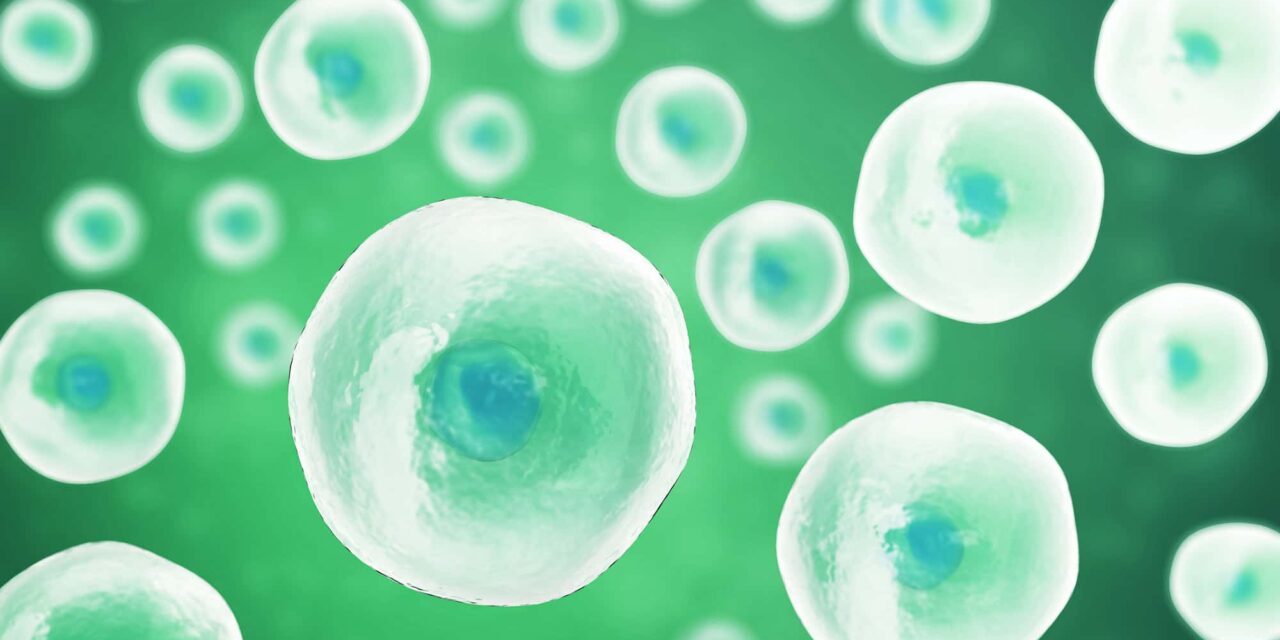
Deramiocel is composed of cardiosphere-derived cells, which are heart progenitor cells isolated from healthy donor hearts that were unable to be used for transplantation. These cells secrete packets of ribonucleic acid (RNA) molecules that assist in repairing body tissues. The therapy represents a potential shift in how healthcare providers manage the progressive cardiac and respiratory complications associated with advanced muscle loss.
“This is the first Phase III trial to show that a cell therapy is effective against a genetic disease, or any type of heart disease,” said Marbán, the Mark S Siegel Family Foundation distinguished professor.
The technology for deramiocel was licensed by Capricor Therapeutics, which funded the HOPE-3 trial. Investigators plan to continue studying the effects of the therapy and its potential use for other diseases with unmet medical needs.
“These results represent an important advance for cell-based therapy, one driven by relentless scientific pursuit made by Dr Marbán and team,” said Shlomo Melmed, MB, ChB, executive vice president of academic affairs and dean of the medical faculty at Cedars-Sinai.