Researchers identified an experimental antibody that targets a specific protein to shrink tumors in non-small cell lung cancer models.
RT’s Three Key Takeaways:
- Targeted Protein Binding: An experimental antibody targets the PCDH7 protein to reduce tumor size and cancer cell proliferation in preclinical models of non-small cell lung cancer.
- Overcoming Treatment Resistance: The antibody treatment showed efficacy against tumors that had developed resistance to KRAS inhibitors, addressing a significant clinical challenge in lung cancer therapy.
- Synergistic Combination Potential: Research indicated that combining the antibody with existing drugs like adagrasib or trametinib significantly increased tumor shrinkage compared to using the treatments individually.
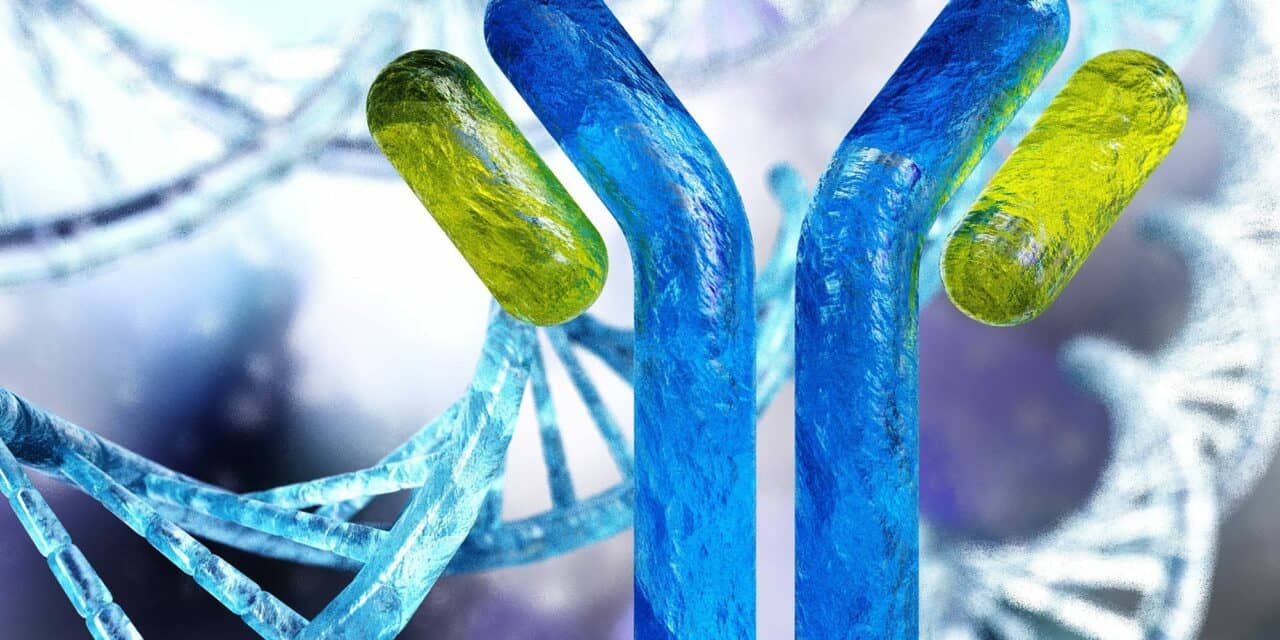
UT Southwestern Medical Center researchers have developed an experimental antibody treatment that targets the PCDH7 protein to shrink tumors in preclinical models of non-small cell lung cancer (NSCLC), according to a study published in Science Advances.
The findings could lead to a new class of drugs to treat NSCLC, which accounts for approximately 85% of lung cancer cases in the US and remains the leading cause of cancer-related deaths. The research focused on tumors with mutations in the KRAS gene, which are found in about 25% of NSCLC cases and cause uncontrolled cell proliferation.
“Overcoming resistance to molecularly targeted therapies is a critical unmet need for lung cancer patients. We are excited that these antibodies may open another therapeutic avenue for lung cancer, especially for patients whose cancers have become resistant to KRAS inhibitors,” said Kathryn O’Donnell, associate professor of molecular biology and a member of the Harold C. Simmons Cancer Center at UT Southwestern.
In 2024, the Food and Drug Administration (FDA) approved adagrasib to target NSCLC with KRAS mutations. However, patients often develop resistance to this treatment over time, leaving limited therapeutic options. The research team, co-led by O’Donnell and first author Nicole Novaresi, a postdoctoral researcher, developed antibodies to target PCDH7, a protein identified in 2017 as a driver of NSCLC.
The group collaborated with researchers at the University of Texas Healthcare Science Center to develop and evaluate hundreds of antibody candidates. They identified an antibody called mAb7 that bound strongly to the protein, reduced intracellular signaling, and caused cancer cells to die.
When the scientists treated mice growing KRAS-mutant NSCLC tumors with mAb7, the tumors shrank significantly. The study also found that the treatment sensitized tumors to adagrasib. Combining mAb7 with adagrasib or trametinib, a drug targeting the cancer-promoting RAS pathway, resulted in significantly greater tumor reduction than using the treatments alone.
To evaluate the potential for human application, researchers tested the antibody on mice engineered with human immune systems. The results showed that the antibodies recruited immune cells to the human tumor cells to eliminate the cancer.
While the antibodies require more testing before clinical use, researchers suggested they may eventually be used alone or in combination with other targeted therapies.
“These novel antibodies will require significant testing before use in patients,” said Nicole Novaresi, postdoctoral researcher in the O’Donnell Lab, in a news release. She added that the treatment might also have potential for other cancers that produce PCDH7 on their cell surfaces, including pancreatic cancer, melanoma, and prostate cancer.