A new visual Ai agent aims to reduce subjectivity and improve documentation efficiency for clinicians performing skin prick testing.
RT’s Three Key Takeaways:
- Ai-Driven Interpretation: SkinSight Ai uses visual analysis to interpret skin prick reactions, aimed at reducing the variability associated with manual ruler measurements.
- Workflow Integration: The system captures images via standard mobile devices and automatically syncs structured results into the electronic health record to reduce manual data entry.
- Enhanced Documentation: By generating billing-ready documentation directly within the electronic health record, the technology helps practices manage the operational demands of CPT 95004.
At the 2026 American Academy of Allergy Asthma & Immunology (AAAAI) Annual Meeting, board certified allergist and immunologist Dr Sakina Bajowala referenced SkinSight Ai by ModuleMD as an emerging innovation to modernize how clinicians interpret skin prick testing, according to a news release.
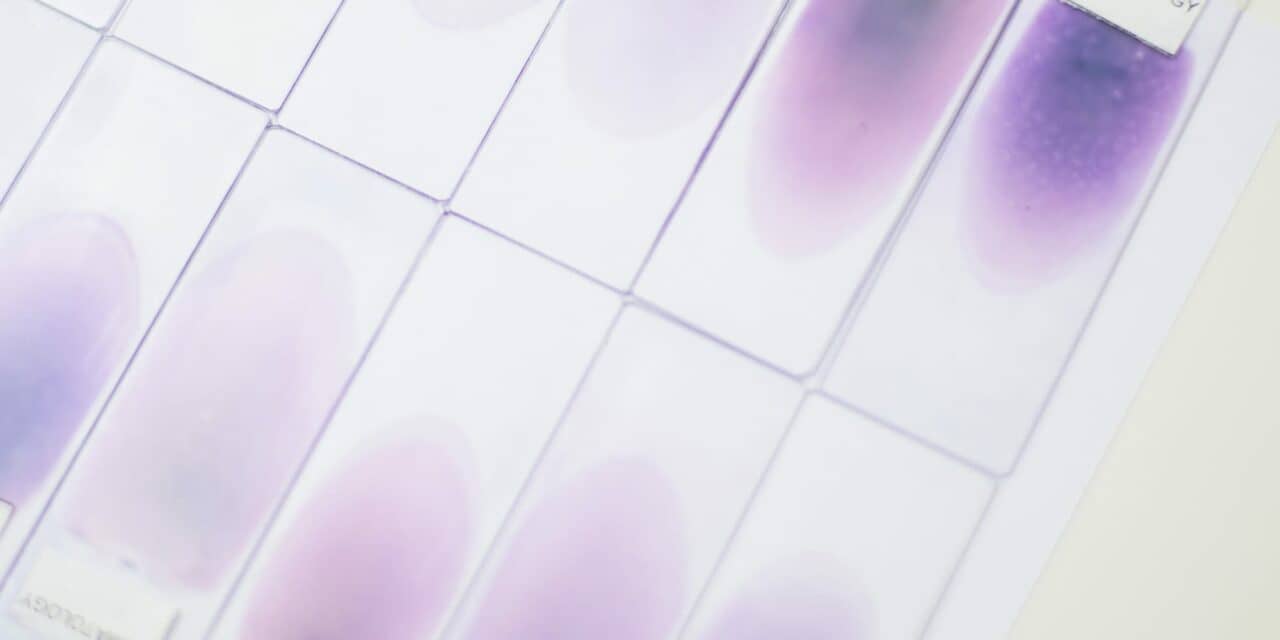
Skin testing remains one of the most common diagnostic procedures in allergy clinics, with an estimated 50 million Americans affected by allergies annually. However, traditional interpretation methods often rely on manual measurements using rulers and visual estimation of wheal and flare reactions. This process can introduce a “subjectivity gap” in diagnostics, especially in high-volume practices where physicians perform dozens of tests daily.
SkinSight Ai is a visual Ai agent designed to introduce objective interpretation into the skin testing process. The system analyzes captured images of allergy test panels and automatically interprets reactions, bringing standardization and efficiency to a workflow that has historically relied on manual measurement, according to ModuleMD.
By embedding the technology directly within the ModuleMD electronic health record (EHR) ecosystem, SkinSight Ai converts a manual process into a data-driven workflow. During the AAAAI meeting, several capabilities of the technology were highlighted:
- Objective Analysis: The system uses visual Ai to analyze reactions, reducing interpretation variability and supporting consistent clinical decision-making across providers.
- Faster Documentation: Automated measurements and integrated documentation accelerate the recording of results, reducing administrative workload for clinicians and staff.
- Device Compatibility: Practices can capture images of test panels using standard mobile devices already used in the clinic, removing the need for specialized equipment.
- EHR Integration: Once analyzed, the system transfers structured results directly into the patient’s record to minimize manual data entry.
As allergy practices face increasing patient demand and staffing constraints, technologies that reduce manual effort while maintaining diagnostic accuracy are becoming essential, according to the release. By minimizing the time spent measuring and documenting reactions, the technology allows clinicians to maintain patient throughput while focusing on direct patient care.
The system also addresses workflows associated with CPT 95004, the billing code used for skin prick testing. While reimbursement levels have remained stable, the operational demands around documentation and compliance have increased. By generating structured, billing-ready documentation directly within the EHR, the platform helps practices strengthen documentation and audit readiness.
The intersection of Ai and allergy diagnostics is rapidly evolving, moving toward clinical tools that reduce subjectivity while improving efficiency, said ModuleMD in a news release. For practices navigating growing documentation requirements, solutions that combine artificial intelligence with integrated healthcare workflows may define the next era of specialty care.