School Substance Exposures Surge Among K-8 Students
Reported cases of intentional substance exposures at school have surged among elementary and middle school students, while high school adolescents faced more severe medical outcomes.


Reported cases of intentional substance exposures at school have surged among elementary and middle school students, while high school adolescents faced more severe medical outcomes.

Reported cases of intentional substance exposures at school have surged among elementary and middle school students, while high school adolescents faced more severe medical outcomes.
Read More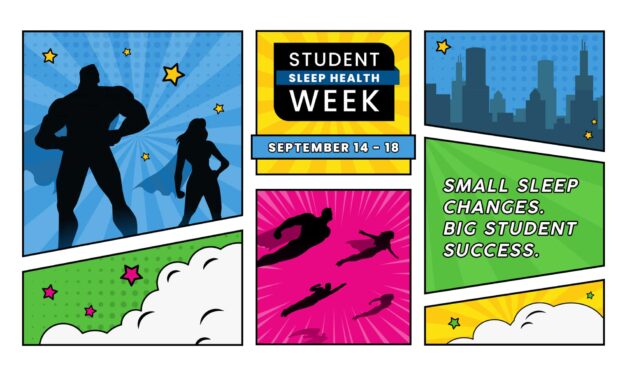
The American Academy of Sleep Medicine highlights the importance of healthy sleep for academic and physical development during Student Sleep Health Week.
Read More
While traditional cigarette smoking has dropped, overall nicotine exposure is shifting toward alternative products such as e-cigarettes, with youth starting at earlier ages.
Read More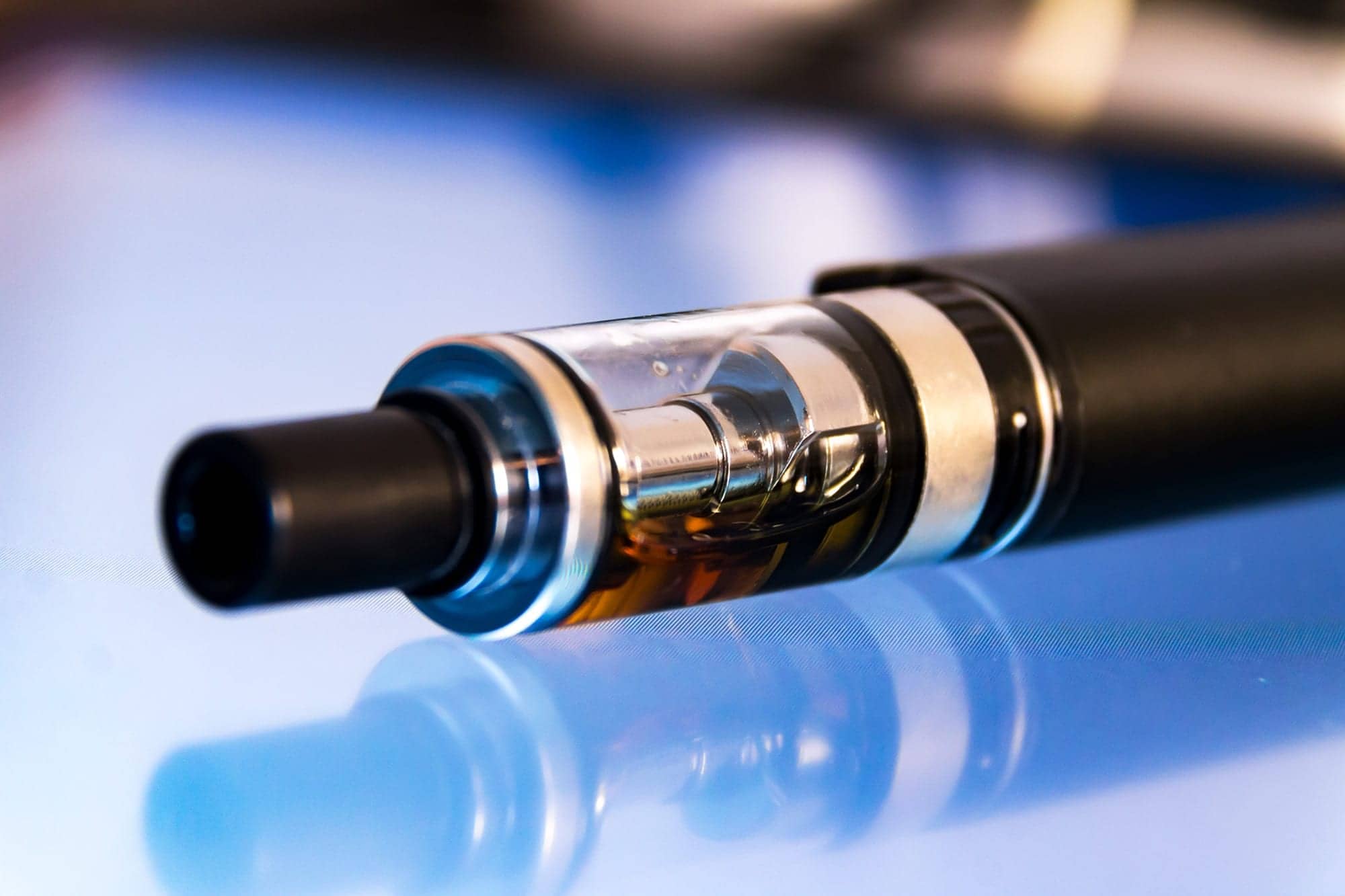
A Dutch program focused on youth vaping prevention earned the 2026 European Lung Foundation (ELF) Award at ERS 2026.
Read More
Young people who vape are more likely to experience breathing problems, including cough, wheezing, bronchitis symptoms, and asthma attacks.
Read More
There are now 30 flavored nicotine pouch products authorized for sale by the FDA, but some health organizations have expressed concerns for potential youth adoption.
Read More
Young people who vape or smoke experience reduced breathing efficiency and blood vessel functionality compared to non-users.
Read More
The American College of Allergy, Asthma, and Immunology (ACAAI) outlines essential steps for families and school staff to navigate seasonal allergy triggers and respiratory health.
Read More
New research shows “The Real Cost” educational efforts blocked millions in illegal e-cigarette sales and shifted youth attitudes toward nicotine addiction.
Read More
Data from 2022 to 2025 indicate that current tobacco use, including e-cigarettes and cigarettes, has decreased among US middle and high school students.
Read More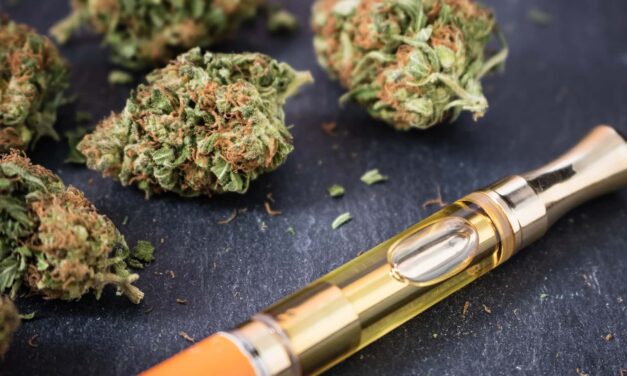
A study of more than 175,000 students found that teens consistently perceive cannabis as lower risk than nicotine products and alcohol, with perceived harm declining as students age.
Read More
2019 was a turning point in youth vaping, as aggressive public health campaigns and extensive news coverage of e-cigarette or vaping product use-associated lung injury (EVALI) effectively curbed teen use.
Read More
A study of 2.8 million California students indicates that local sales restrictions on flavored products decrease e-cigarette use without shifting adolescents to traditional cigarettes.
Read More
Overall obesity among US high school students climbed from 13.7% in 2013 to 15.9% in 2023, peaking at 16.3% in 2021.
Read More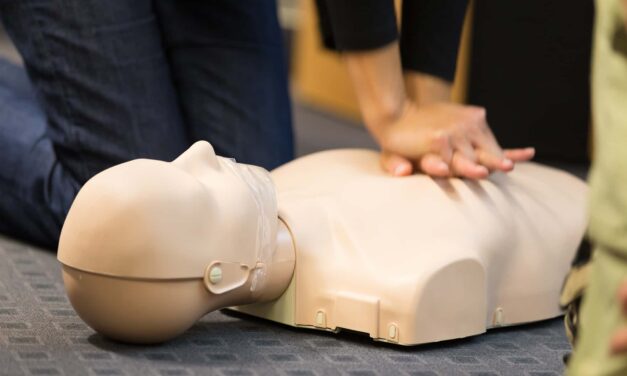
A national parent poll reports gaps in community preparedness for teen cardiac emergencies and concerns about school readiness.
Read More
The American Lung Association’s 2026 “State of Tobacco Control” Report says cuts to federal tobacco prevention efforts put lives at risk.
Read More
California K-12 schools are now eligible for the neffyinSchools program, providing needle-free nasal spray epinephrine at no cost for emergency use.
Read More
Statewide study finds students in funded schools were significantly less likely to smoke or vape than counterparts in schools without funding.
Read More
Simultaneous use of cannabis with nicotine and tobacco products is common, especially among young adults who vape.
Read More
Researchers say use of indoor tanning beds is a modifiable and preventable lifestyle risk factor for skin cancer, similar to tobacco smoking for lung cancer.
Read More
Abstention from drug use remains at an historic high for teens, according to an annual survey of US adolescents.
Read More
Children and adolescents were twice as likely to experience long COVID after catching COVID for the second time, compared to their peers with a single previous infection.
Read More
Flavored marijuana vaping is now the most common form of use among American teenagers who vape cannabis.
Read More
Michigan has seen significant drops in childhood and adolescent immunization rates in the last eight years.
Read More