Cash Rewards Doubled Smoking Cessation Rates
Offering financial incentives of up to $600 nearly doubled smoking cessation rates among medically underserved adults undergoing lung cancer screening.


Offering financial incentives of up to $600 nearly doubled smoking cessation rates among medically underserved adults undergoing lung cancer screening.

Offering financial incentives of up to $600 nearly doubled smoking cessation rates among medically underserved adults undergoing lung cancer screening.
Read More
The new VA/DoD recommendations name varenicline and combination nicotine replacement therapy as preferred treatments for tobacco use cessation.
Read More
A new summary from the World Health Organization warns that tobacco use can negatively impact fertility outcomes worldwide.
Read More
Correcting misconceptions about tobacco sales restrictions could build community support and advance respiratory health initiatives.
Read More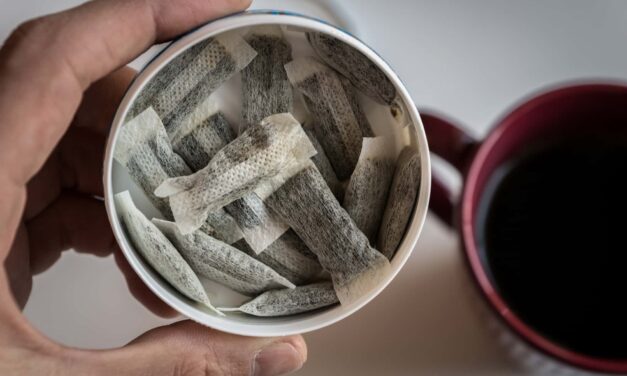
While traditional cigarette smoking has dropped, overall nicotine exposure is shifting toward alternative products such as e-cigarettes, with youth starting at earlier ages.
Read More
Ninety-seven percent of the 246,000+ public comments sent to the FDA before it withdrew a proposed menthol cigarette ban were non-unique form letters, and half traced back to Big Tobacco.
Read More
The ERS is urging European countries to adopt “tobacco endgame” policies to permanently reduce tobacco use and end the epidemic.
Read More
Specialized support from healthcare professionals significantly reduces smoking relapse rates in the year following childbirth.
Read More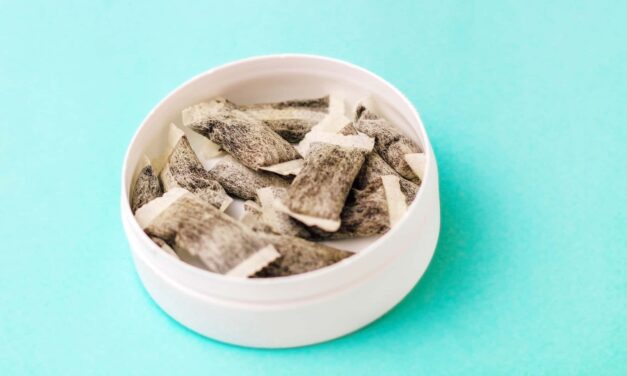
The latest round of products brings the total number of FDA-authorized flavored nicotine pouches to 43.
Read More
A new paper in JAMA provides the first US recommendations for clinicians on integrating nicotine e-cigarettes into smoking cessation plans.
Read More
A Rutgers Health study indicates that capping nicotine levels could eliminate smoking disparities and provide a trillion-dollar boost to the US economy.
Read More
New research shows physical activity reduces cravings and daily cigarette use, offering a low-cost tool for respiratory health.
Read More
Veterinarians discussing the risks of secondhand smoke to animals could serve as a motivator for human smoking cessation.
Read More
A systematic review of 17 clinical trials found that smokers did not inhale more or smoke more cigarettes when using low-nicotine products.
Read More
There are now 30 flavored nicotine pouch products authorized for sale by the FDA, but some health organizations have expressed concerns for potential youth adoption.
Read More
Three research teams are developing noninvasive, cost-effective screening tools to improve lung cancer detection rates among smokers and non-smokers.
Read More
A smartphone-based program uses financial rewards to improve smoking cessation rates among pregnant individuals in rural areas.
Read More
Data from 2022 to 2025 indicate that current tobacco use, including e-cigarettes and cigarettes, has decreased among US middle and high school students.
Read More
Smoking cessation improves long-term brain health, provided individuals maintain a stable weight following the transition.
Read More
Socioeconomic disadvantage in rural neighborhoods increases the likelihood of adolescent cigarette use, highlighting a distinct rural-urban divide in healthcare outcomes.
Read More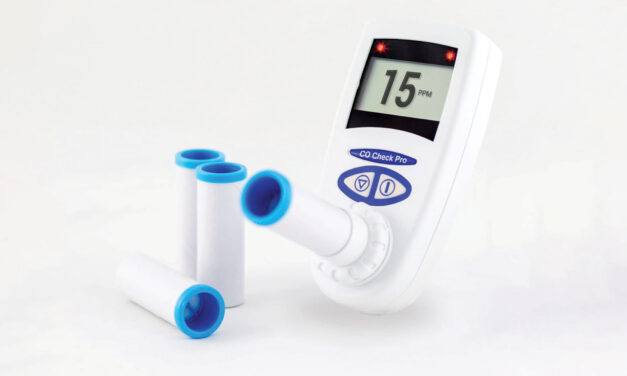
The CO Check Pro is designed for use in both smoking cessation programs and emergency healthcare settings for the detection of carbon monoxide poisoning.
Read More
2019 was a turning point in youth vaping, as aggressive public health campaigns and extensive news coverage of e-cigarette or vaping product use-associated lung injury (EVALI) effectively curbed teen use.
Read More
Higher prices for vaping products effectively reduced use without driving adults toward traditional cigarettes.
Read More
A study of 2.8 million California students indicates that local sales restrictions on flavored products decrease e-cigarette use without shifting adolescents to traditional cigarettes.
Read More