Smoking Worsens Vision Loss in Patients With Sickle Cell Retinopathy
Adults with sickle cell disease who actively smoke cigarettes or cigars are nearly three times as likely to experience advancing sickle cell retinopathy compared to nonsmokers.


Adults with sickle cell disease who actively smoke cigarettes or cigars are nearly three times as likely to experience advancing sickle cell retinopathy compared to nonsmokers.

Adults with sickle cell disease who actively smoke cigarettes or cigars are nearly three times as likely to experience advancing sickle cell retinopathy compared to nonsmokers.
Read More
Researchers identified a biological pathway that could help produce healthy red blood cells in patients with inherited blood disorders like sickle cell disease.
Read More
New global guidance and manufacturing initiatives focus on delivering age-appropriate sickle cell therapies to pediatric patients.
Read More
A standard laboratory assay significantly underestimates blood sugar levels in people with sickle cell trait, potentially leading to widespread underdiagnosis of diabetes.
Read More
Children’s Hospital Los Angeles joined a trial to investigate nula-cel, a gene-editing therapy designed to correct the sickle cell disease genetic mutation.
Read More
The FDA approved the first gene therapy for children as young as 2 years old with sickle cell disease or transfusion-dependent beta thalassemia.
Read More
A 10-year study in sub-Saharan Africa revealed that a higher dose of the oral medication Hydroxyurea improved survival and growth outcomes in children with sickle cell anemia.
Read More
Negative descriptors in clinician notes for sickle cell patients are closely associated with stigma surrounding opioid use.
Read More
New clinical data for Casgevy in younger SCD/TDT patients age 5-11 show efficacy and safety consistent with older populations.
Read More
A federal program aims to expand Medicaid access to two FDA-approved gene therapies for sickle cell disease, which cost millions of dollars per patient.
Read More
A Phase 2a clinical trial will evaluate an oral low-dose liquid carbon monoxide (CO) therapeutic candidate for the treatment of sickle cell disease.
Read More
Researchers have identified a potential new gene target that could be edited to treat sickle cell disease.
Read More
A novel transplant procedure using bone marrow from a “half-matched” donor is safe and curative for adults with sickle cell disease, as well as more affordable than recently approved gene therapy products for SCD.
Read More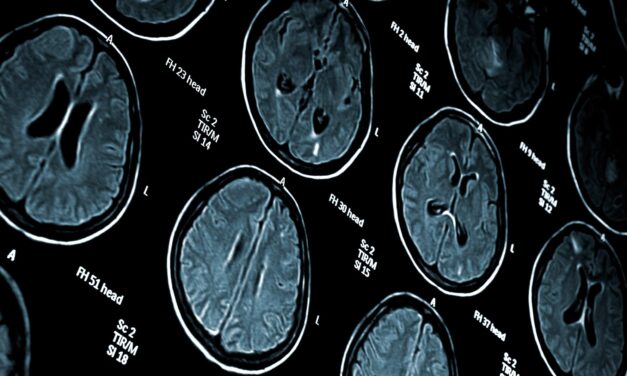
Researchers found that participants with sickle cell disease had brains that appeared an average of 14 years older than their actual age.
Read More
An NIH study found that lung function remained stable or improved after patients with sickle cell disease underwent low-intensity blood stem cell transplants.
Read More
The Cystic Fibrosis Foundation will provide up to $15 million to Prime Medicine for preclinical research into gene editing for cystic fibrosis.
Read More
In some of the most notable pharmaceutical approvals from 2023, drugs for RSV, CF, COVID-19, sickle cell disease, and opioid overdose received an FDA stamp in 2023.
Read More
Two gene therapies approved by the FDA last week for the treatment of sickle cell disease will have multimillion dollar price tags for patients (and insurers), according to Reuters.
Read More
The FDA approved the first cell-based gene therapies for the treatment of sickle cell disease in patients 12 years and older. One therapy, Casgevy, is the first FDA-approved treatment to utilize the genome editing technology CRISPR/Cas9
Read More
A study of kids with sickle cell disease revealed one-in-three had sickle retinopathy, suggesting children need to be screened for vision problems as often as adults.
Read More
Individuals living with severe sickle cell disease (SCD) are highly interested in new, potentially curative gene therapy treatments and are willing to accept associated risks for a chance at a cure, according to a study published in Blood Advances.
Read More
A study outlines how researchers at a large healthcare system integrated music therapy program, which has shown benefits for lung disease patients and pallative care.
Read More
Young patients with sickle cell anemia demonstrated more abnormalities in lung volume via lung clearance index compared to healthy counterparts.
Read More
Researchers are studying how the autonomic nervous system—a network of cells that regulates processes we don’t consciously think about (like breathing and blood vessel constriction)—plays a role in sickle cell disease.
Read More