ALA to Promote Awareness of Progressive Pulmonary Fibrosis
On World Interstitial Lung Disease Day, the American Lung Association launched an initiative to helping PPF patients and caregivers recognize worsening symptoms and lung scarring.

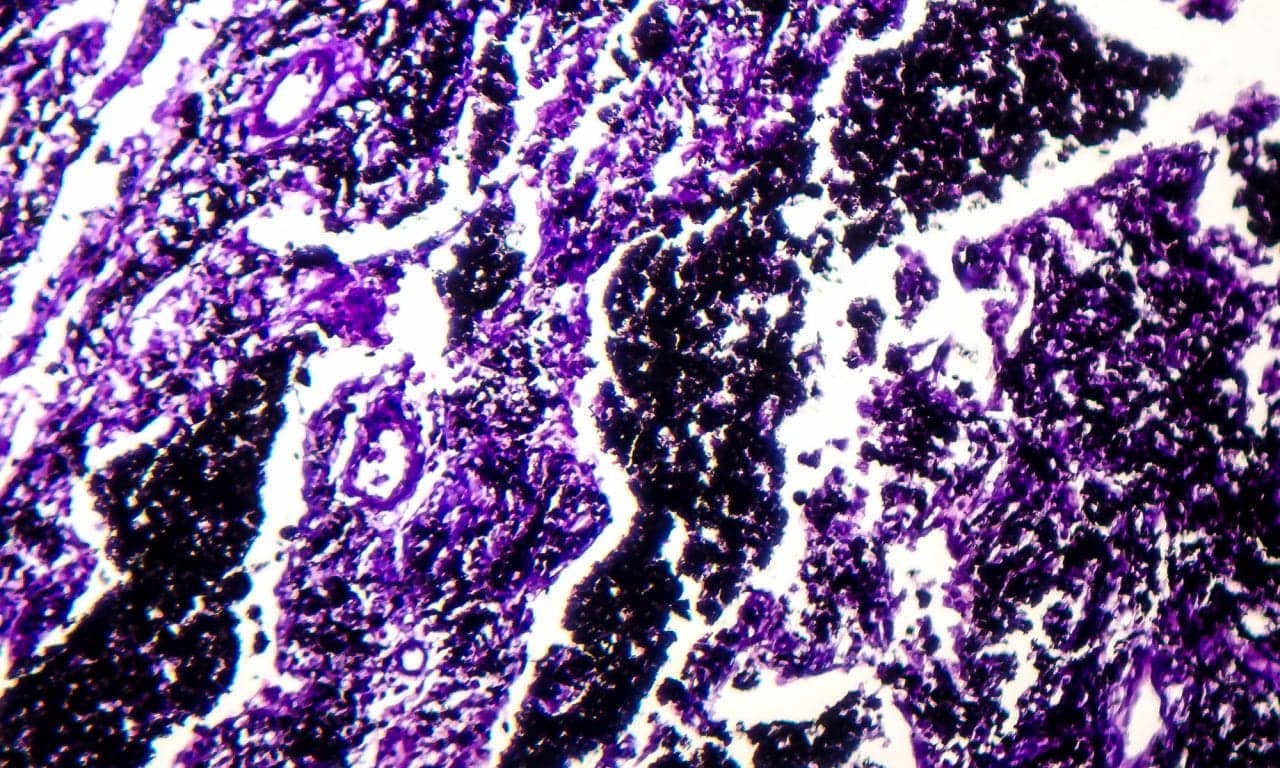
On World Interstitial Lung Disease Day, the American Lung Association launched an initiative to helping PPF patients and caregivers recognize worsening symptoms and lung scarring.

On World Interstitial Lung Disease Day, the American Lung Association launched an initiative to helping PPF patients and caregivers recognize worsening symptoms and lung scarring.
Read More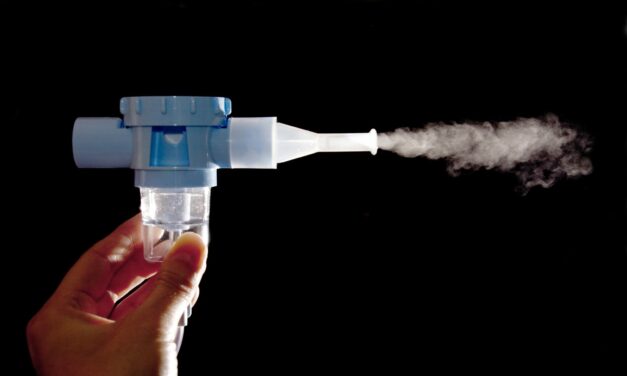
If cleared by federal regulators, nebulized Tyvaso (treprostinil) Inhalation Solution would become the first inhaled option designed to treat idiopathic pulmonary fibrosis (IPF).
Read More
The American Lung Association provides personalized guidance from RTs and nurses to help pulmonary fibrosis patients manage lung disease.
Read More
A study of more than 570,000 people validates a polygenic risk score to identify idiopathic pulmonary fibrosis patients at risk for severe outcomes or death.
Read More
Insilico Medicine initiated a Phase 3 clinical trial for Rentosertib, an oral medication discovered using artificial intelligence to treat idiopathic pulmonary fibrosis (IPF).
Read More
Integrating genetic and telomere assessments into clinical care helps physicians refine diagnoses and adjust pulmonary fibrosis treatment plans.
Read More
Phase 3 trial results show significant reductions in clinical worsening and acute exacerbations for patients with idiopathic pulmonary fibrosis (IPF).
Read More
Dexcel Pharma USA will launch nintedanib capsules for patients with progressive lung disease following final regulatory approval.
Read More
Data from the Phase 2b ELEVATE IPF trial suggest deupirfenidone maintains efficacy while offering a favorable safety and tolerability profile.
Read More
Results from the TETON-1 study show nebulized Treprostinil (Tyvaso) met its primary endpoint, demonstrating a significant increase in IPF lung function compared to placebo.
Read More
More than 70% of IPF patients receiving inhaled pirfenidone achieved stabilization or improvement in fibrosis scores at 24 weeks.
Read More
Deupirfenidone showed a slower rate of lung function decline compared to existing therapies in a...
Read More
When comorbidity burden was assessed using the Rheumatic Disease Comorbidity Index (RDCI), higher scores were significantly associated with ILD development.
Read More
Thykamine showed statistically significant reductions in lung fibrosis, inflammation, and collagen-related gene expression in a bleomycin-induced pulmonary fibrosis mouse model.
Read More
ACE inhibitor therapy correlated with reduced all-cause mortality in idiopathic pulmonary fibrosis patients, but not in COPD patients using ACE inhibitors.
Read More
Long-term pulmonary rehab led to higher VO2 peak, greater peak workload, longer exercise duration, and increased daily physical activity in patients with idiopathic pulmonary fibrosis (IPF).
Read More
The US FDA has approved Jascayd (nerandomilast) tablets for the treatment of progressive pulmonary fibrosis (PPF) in adults, according to Boehringer Ingelheim.
Read More
A first-of-its-kind study will investigate diethyl succinate (DES) as a potential therapeutic for patients with idiopathic pulmonary fibrosis.
Read More
Addition of Nerandomilast (Jascayd) to a treatment regimen for patients receiving standard of care therapy for idiopathic pulmonary fibrosis may slow disease progression.
Read More
The US FDA approved Jascayd (nerandomilast) tablets to treat idiopathic pulmonary fibrosis (IPF), the first new therapy approved in more than 10 years for IPF.
Read More
Boehringer Ingelheim revealed new data from two Phase 3 clinical trials on Nerandomilast, an investigational orally-administered drug candidate for idiopathic pulmonary fibrosis (IPF) and progressive pulmonary fibrosis (PPF).
Read More
A weekly 90-minute online group singing session delivered for 12 weeks over Zoom was associated with improved quality of life in patients with COPD or interstitial lung disease.
Read MoreA small protein called IL-10 is critical for preventing lung inflammation and associated diseases like pulmonary fibrosis and bronchiolitis.
Read More
ERS leaders are calling for health systems to prioritize and integrate the care of chronic respiratory diseases (CRDs) across Europe.
Read More