Discovery of Rare Brain Cells That Help Drive Sleep
A newly identified group of brain cells actively promotes sleep and coordinates brain rhythms, challenging long-held theories on sleep regulation.
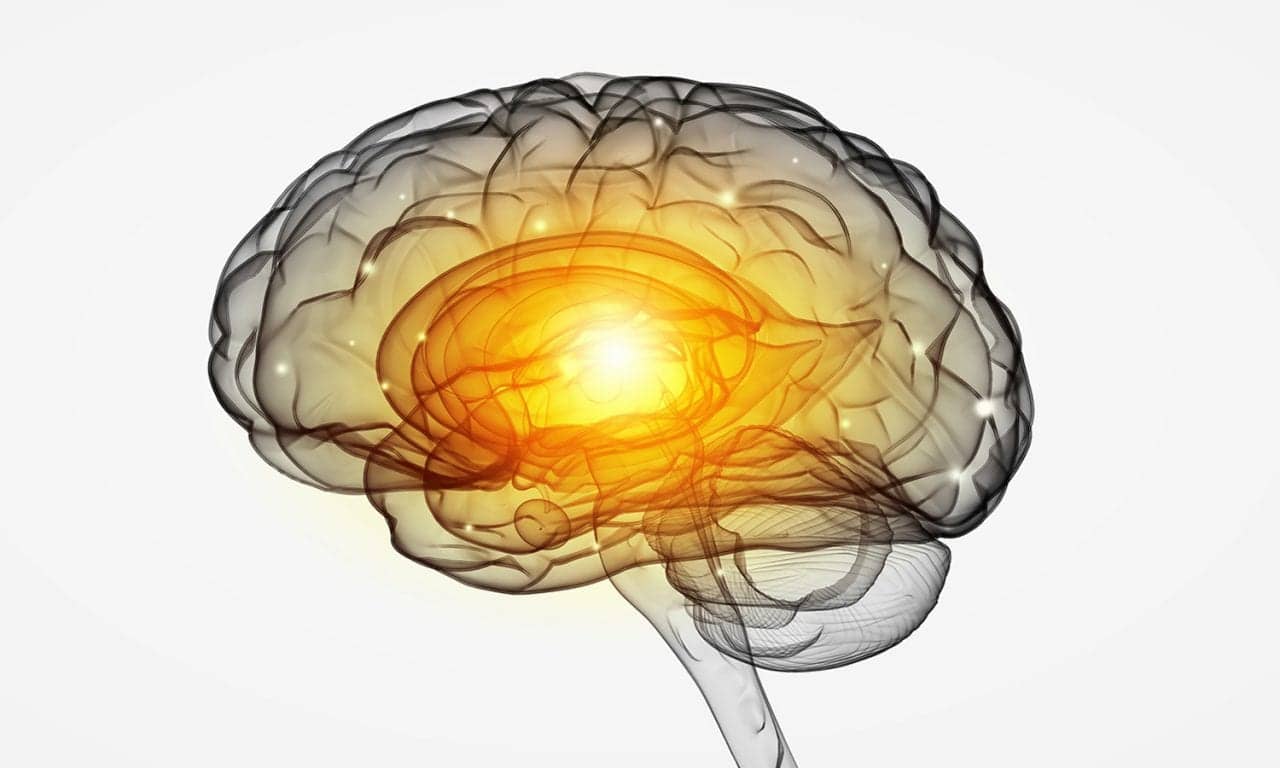
A newly identified group of brain cells actively promotes sleep and coordinates brain rhythms, challenging long-held theories on sleep regulation.
A newly identified group of brain cells actively promotes sleep and coordinates brain rhythms, challenging long-held theories on sleep regulation.
Read More
UT Southwestern sleep researcher Masashi Yanagisawa, MD, PhD, earned the award for his work identifying the sleep-regulating brain peptide orexin, which has led to new treatments for sleep disorders.
Read More
Orzeyful is the first drug to target the underlying loss of orexin signaling to address the full range of narcolepsy type 1.
Read More
Patients experiencing both excessive daytime sleepiness and prolonged sleep-onset latency face a significantly higher risk of hypertension.
Read More
A global survey of 30,000 people reveals that while sleep is recognized as a pillar of long-term health, more than half of people struggle to get consistent rest.
Read More
Degeneration in the locus coeruleus, alongside the hypothalamus, contributes to sleepiness and muscle weakness in narcolepsy type 1.
Read More
New survey results report that 41% of American adults have felt so sleepy while driving that it affected their ability to drive safely.
Read More
Certain objectively measured daytime napping behaviors are associated with an increased risk of mortality for middle-to-older aged adults, according to a new study presented at Sleep 2025.
Read More
Excessive daytime sleepiness is associated with higher odds of all-cause mortality in middle-aged women but not in younger or older women, according to a new study at Sleep 2025.
Read More
Oral microbiome diversity is positively associated with long sleep duration among teenagers and young adults, according to a new study to be presented at Sleep 2025.
Read More
The FDA approved a new indication for Xywav for idiopathic hypersomnia, an uncommon chronic sleep disorder that causes people to be excessively sleepy during the day even after a good night’s sleep.
Read More
Emory neurologist Lynn Marie Trotti has been awarded a five-year, $2.1 million grant for clinical research.
Read More
The Hypersomnia Foundation has chosen the first recipient of its new Research Award program: Caroline Maness, MD, of Emory University.
Read More
The National Sleep Foundation’s 2014 poll found that children are getting less-than-recommended sleep, but parents can play a powerful role in establishing good sleep habits for their kids.
Read More
The American Thoracic Society has released new clinical practice guidelines on sleep apnea, sleepiness, and driving risk for noncommercial drivers.
Read More
Patients taking the narcolepsy medication should not drink alcohol or take insomnia drugs, as it may lead to respiratory distress, according to last week’s FDA drug safety communication.
Read More
Sleep deprivation can have dire consequences, such as truck crashes and chemical and nuclear disasters. Fatigue-management programs can help workers make it through the night.
Read More
Proper management of sleep apnea can reduce the significant consequences of this disorder, which can include frequent arousals, daytime sleepiness, even death.
Read More
Most scientists know that, excluding traumatic deaths, the largest number of deaths occur during the hours from midnight to 8 am. Although most of these are disease-related deaths, more and more studies are finding that falling asleep at the wheel can be just as deadly.
Read More