National Microbiome Plan to Prevent Chronic Disease
A new proposal calls for federal investment to study how early microbial disruptions contribute to conditions like asthma, obesity, and allergies.


A new proposal calls for federal investment to study how early microbial disruptions contribute to conditions like asthma, obesity, and allergies.

A new proposal calls for federal investment to study how early microbial disruptions contribute to conditions like asthma, obesity, and allergies.
Read More
Researchers identified the factors that are most likely to create hazardous respiratory conditions inside homes after hurricane-related flooding.
Read More
The American College of Allergy, Asthma, and Immunology (ACAAI) outlines essential steps for families and school staff to navigate seasonal allergy triggers and respiratory health.
Read More
A phase 1 study is testing the safety of a microneedle device designed to deliver peanut protein through the skin for desensitization.
Read More
Research involving more than 30,000 children suggests no link between household cats and asthma severity or lung function.
Read More
New research suggests that microplastic particles can bind to allergens and carry them deeper into the respiratory system.
Read More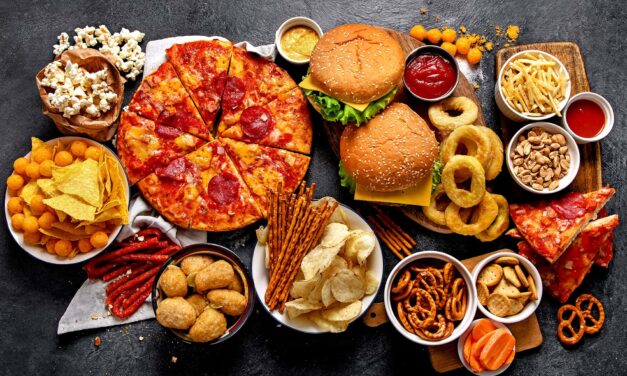
High consumption of ultra-processed food products significantly raises the likelihood of asthma onset in school-age children, according to a longitudinal study.
Read More
New studies suggest that airway and breathing failures are the primary causes of death in childhood food anaphylaxis, requiring a shift in emergency management protocols.
Read More
The American College of Allergy, Asthma and Immunology emphasizes the link between uncontrolled allergies and asthma flares.
Read More
A new visual Ai agent aims to reduce subjectivity and improve documentation efficiency for clinicians performing skin prick testing.
Read More
The European Commission authorized the EURneffy 1 mg nasal spray for pediatric patients who weigh between 15 and 30 kg and are at risk of severe allergic reactions.
Read More
The updated label for the Neffy 1 mg dose allows children weighing at least 33 pounds to access the needle-free treatment regardless of age.
Read More
The most engaging allergy/immunology social media content is often the least accurate, especially those around natural remedies and IgG testing.
Read More
The risk of peanut allergy was significantly reduced if the younger siblings were introduced to peanuts in their first year of life.
Read More
A mold reduction initiative in New York City resulted in 2,798 fewer emergency department visits per year for asthma exacerbation.
Read More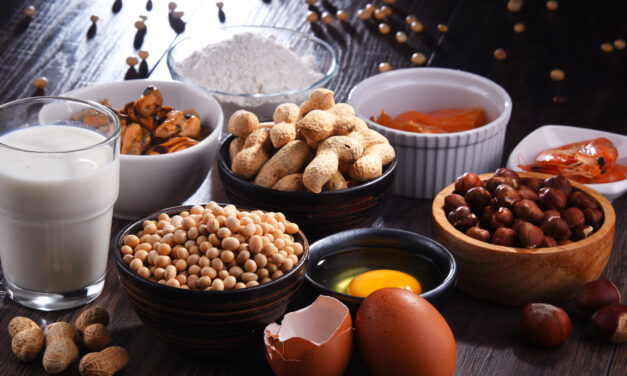
There is no significant difference between the successful consumption of allergenic foods when using omalizumab versus multi-food oral immunotherapy.
Read More
Penicillin allergy evaluation and subsequent delabeling reduces unnecessary alternative antibiotic use and is safe for pregnant patients, according to new research presented at AAAAI 2026.
Read More
Omalizumab reduced allergy-driving IL-4⁺ T cells and specific dendritic cell subsets, increasing patients’ tolerance to peanuts and other food allergens.
Read More
High rates of comorbidity were found between specific tree nut allergies including cashew-pistachio allergies and walnut-pecan allergies.
Read More
A non-narcotic analgesics allergy label (NNAAL) is associated with several adverse perinatal outcomes, including greater rates of NICU admission, preterm birth, and more.
Read More
Drug allergy labels (DAL) are common and largely unevaluated in children with primary immunodeficiencies, which could lead to worse patient outcomes.
Read More
Machine learning models showed roughly 40% improvement in diagnostic accuracy compared to standard...
Read More
The European Medicines Agency’s CHMP recommended expanding the marketing authorization for EURneffy to include a 1 mg dose.
Read More
California K-12 schools are now eligible for the neffyinSchools program, providing needle-free nasal spray epinephrine at no cost for emergency use.
Read More