Military Blast Exposure Tied to Respiratory, Neurological Conditions
Veterans exposed to high-level explosive blasts face higher rates of emphysema, chronic bronchitis, and stroke years after service.


Veterans exposed to high-level explosive blasts face higher rates of emphysema, chronic bronchitis, and stroke years after service.

A newly identified group of brain cells actively promotes sleep and coordinates brain rhythms, challenging long-held theories on sleep regulation.



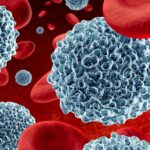



The American Lung Association’s 2023 "State of Lung Cancer" report reveals improvement in five-year survival rate across the US, including for people of color.





Researchers identified genetic-related structural defects that prevent cilia from clearing mucus in primary ciliary dyskinesia patients.

The federal agency restructured its flu and COVID-19 units into a unified Influenza and Respiratory Viruses Division (IRVD).

Scheduled 30-minute naps helped hospital residents manage simulated cardiac arrest crises during 24-hour shifts, according to a clinical trial.

A new scientific statement from the Endocrine Society emphasizes health outcomes such as sleep apnea and heart disease over weight loss alone.

UT Southwestern sleep researcher Masashi Yanagisawa, MD, PhD, earned the award for his work identifying the sleep-regulating brain peptide orexin, which has led to new treatments for sleep disorders.