Published: May 6, 2026
The World Health Organization is tracking a cluster of hantavirus and three fatalities linked to a South Atlantic voyage.
RT’s Three Key Takeaways:
- Zoonotic Transmission: Hantavirus is primarily acquired through contact with infected rodent excreta or saliva, though healthcare providers should remain alert to potential human-to-human transmission in specific South American strains.
- Respiratory Progression: Infected individuals often present with non-specific symptoms such as fever and myalgia before progressing rapidly to severe respiratory distress and hypotension.
- Critical Care Management: Because no specific antiviral treatment exists, clinical management focuses on early transfer to an intensive care unit for respiratory support, including mechanical ventilation and extracorporeal membrane oxygenation.
The World Health Organization (WHO) is investigating a cluster of severe acute respiratory illness, including three deaths, among passengers on a Dutch-flagged cruise ship, according to a WHO disease outbreak news report.
As of May 4, 2026, officials have reported seven total cases, consisting of two laboratory-confirmed and five suspected infections. The cruise vessel departed Ushuaia, Argentina, on April 1, 2026, and traveled across the South Atlantic with stops in Antarctica, South Georgia, and several remote islands.
The first case involved an adult male who developed fever and headache on April 6 and died from respiratory distress on April 11 while on board. A second passenger, who was a close contact of the first, died on April 26 after being transported to a hospital in South Africa. Laboratory testing via polymerase chain reaction (PCR) confirmed hantavirus infection in that patient and another critically ill passenger currently receiving treatment in an intensive care unit (ICU).
Clinical Characteristics and Risk
Hantavirus cardiopulmonary syndrome (HCPS) is a zoonotic viral disease characterized by a rapid progression from initial symptoms—such as fever, myalgia, and gastrointestinal issues—to acute respiratory failure. Symptoms typically manifest two to four weeks after exposure to the urine, feces, or saliva of infected rodents.
While hantavirus infections are relatively rare, they carry a high case fatality rate, reaching up to 50% in the Americas. The WHO currently assesses the global risk as low but emphasizes the need for early recognition and supportive care.
The Andes Strain
According to the Centre for Emerging Viral Diseases of the Geneva University Hospital (HUG), the strain of hantavirus that caused three deaths on a cruise ship has been identified as the Andes strain.
This identification was made possible by a sample taken from a person who had been on the MV Hondius and who tested positive for hantavirus by PCR at the Centre national de référence pour les infections virales émergentes (CRIVE, virology laboratory of HUG), on 5 May 2026.
The Andes virus is the only hantavirus for which human-to-human transmission has been documented, explains Dr Manuel Schibler, head of the HUG virology laboratory. This crucial information was immediately communicated to the Federal Office of Public Health (FOPH) and the WHO.
Management and Infection Control
There are currently no specific vaccines or approved antiviral treatments for HCPS. Clinical management relies on careful fluid administration, hemodynamic monitoring, and advanced respiratory support.
“When HPS is suspected, patients should be promptly transferred to an emergency department or intensive care unit for close monitoring and supportive management,” said the World Health Organization in a news release. Severe cases may require mechanical ventilation, vasopressors, or extracorporeal membrane oxygenation (ECMO).
The WHO advises healthcare professionals to apply standard precautions for all patients, including hand hygiene and safe handling of body fluids. For suspected or confirmed hantavirus cases, transmission-based precautions are recommended. During aerosol-generating procedures, clinicians should use airborne precautions.
Although human-to-human transmission is uncommon, it has been documented with the Andes virus strain in South America. The WHO recommends that crew and passengers on affected vessels monitor for symptoms for 45 days and practice frequent hand hygiene.
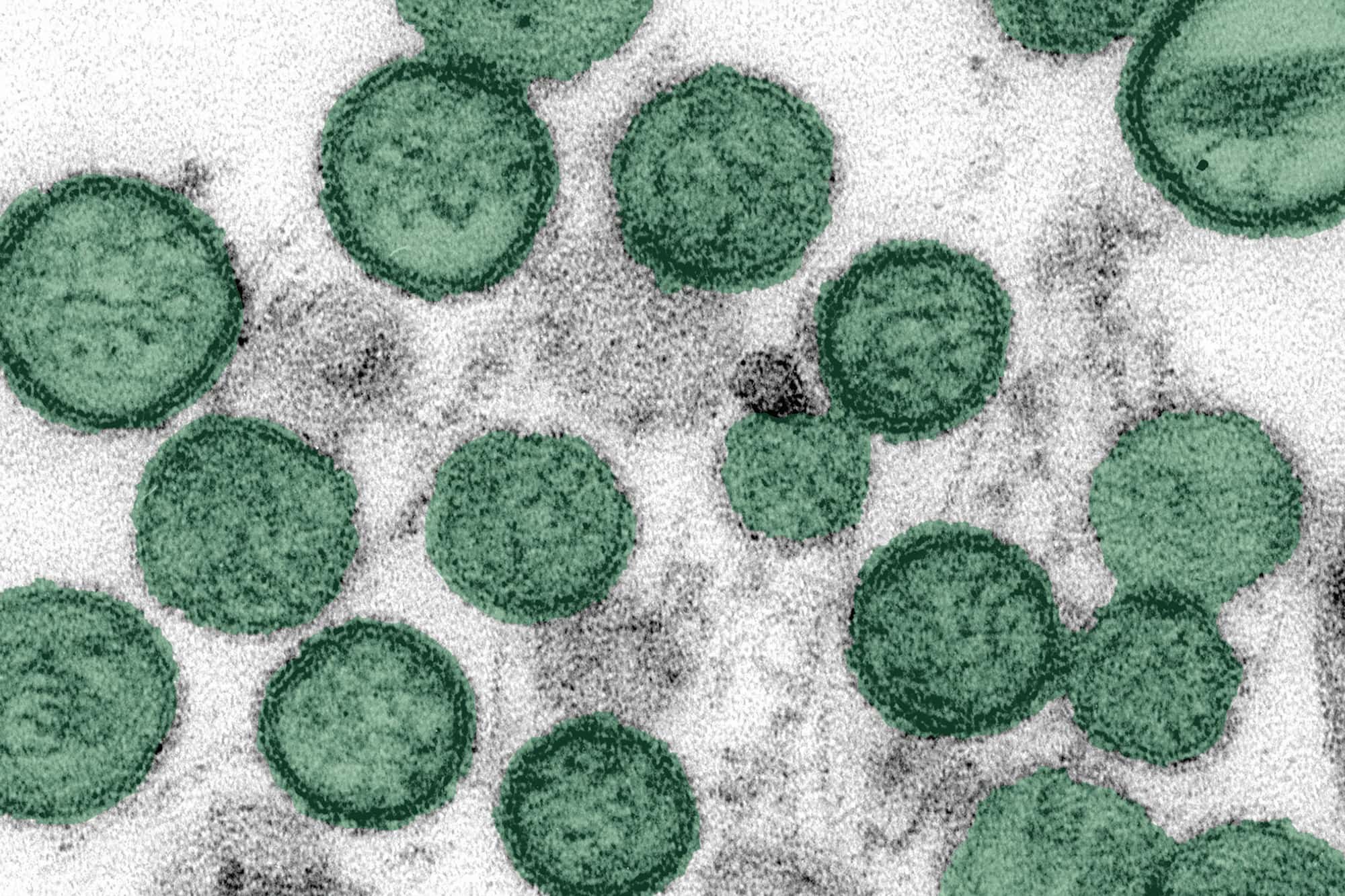
Image: CDC via https://www.cdc.gov/hantavirus/php/surveillance/index.html