Acid Reflux Meds May Increase Asthma Exacerbations
Long-term use of acid reflux drugs may raise the risk of severe respiratory complications and emergency care visits for asthma patients treated with biologics.


Long-term use of acid reflux drugs may raise the risk of severe respiratory complications and emergency care visits for asthma patients treated with biologics.

Long-term use of acid reflux drugs may raise the risk of severe respiratory complications and emergency care visits for asthma patients treated with biologics.
Read More
Black children have a higher risk of developing harmful inflammation that drives type 2-high (T2-high) asthma.
Read More
Parents of an eight-year-old child in San Jose, CA who died from an asthma attack have been arrested and charged with felony child neglect after waiting eight hours to call for emergency medical care.
Read More
Exposure to secondhand vapor from e-cigarettes independently increases respiratory symptoms and asthma attacks in children, according to study findings.
Read More
How a high-volume pediatric hospital implemented a collaborative protocol to improve pediatric asthma outcomes and reduce emergency department visits.
Read More
A study indicates pediatric asthma patients with a common gene variant may experience diminished response to mepolizumab during viral infections.
Read More
Researchers are developing a noninvasive diagnostic protocol using breath analysis and cheek swabs to identify asthma before age 5.
Read More
The diabetes and weight loss injection semaglutide was associated with fewer asthma attacks and COPD exacerbations, according to ERS 2026 research.
Read More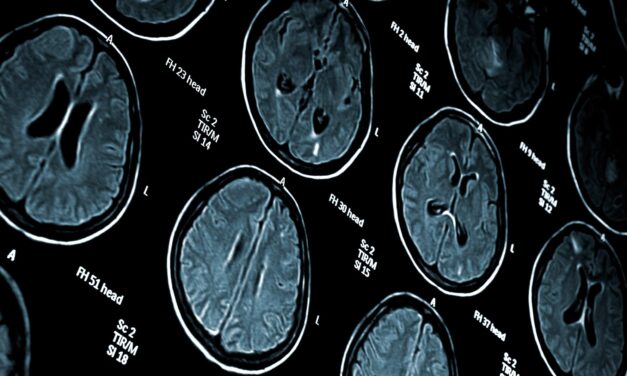
Patients with severe asthma show structural brain changes and altered neural communication pathways linked to chronic inflammation.
Read More
A high-dose vaccine reduced hospital admissions for flu or pneumonia by nearly 9% among older individuals with chronic respiratory conditions like asthma and COPD.
Read More
A multiyear clinical trial found that OM-85 did not reduce severe wheezing episodes or early childhood asthma diagnoses.
Read More
A clinical trial will evaluate a weekly dry powder nasal spray’s ability to boost natural defenses and prevent asthma infections.
Read More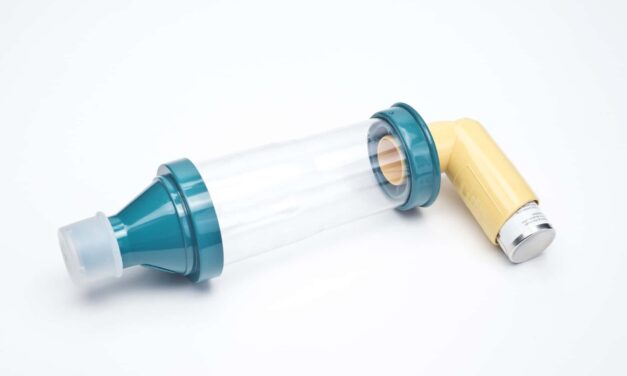
California is launching a statewide initiative to provide free albuterol inhalers and spacers to 10,000 public and charter schools to treat students during respiratory emergencies, according to Governor Gavin Newsom.
Read More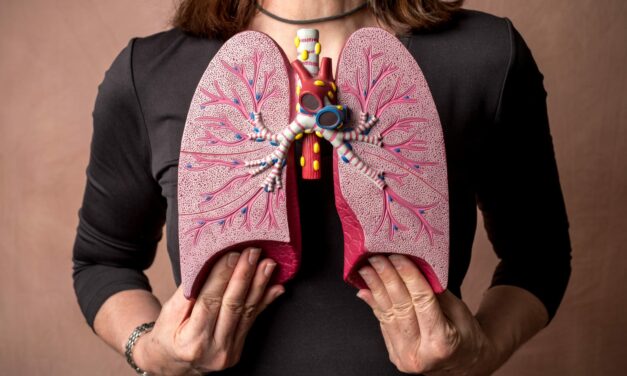
A hospital-based screening campaign identified significant gaps in asthma diagnosis and ongoing management among adults.
Read More
Researchers used a new mapping method to find 21 genes that drive asthma biology, potentially revealing new targets for drug development.
Read More
The collaboration will combine flow cytometry and proteomic analysis to help ID specific inflammatory pathways for chronic lung diseases.
Read More
The American College of Allergy, Asthma, and Immunology (ACAAI) outlines essential steps for families and school staff to navigate seasonal allergy triggers and respiratory health.
Read More
Men receiving systemic testosterone therapy showed a statistically significant decrease in inhaled corticosteroid use starting 18 to 24 months after treatment initiation.
Read More
Over half of teachers surveyed were unaware of state laws allowing students to carry rescue inhalers, despite these laws existing in all 50 states.
Read More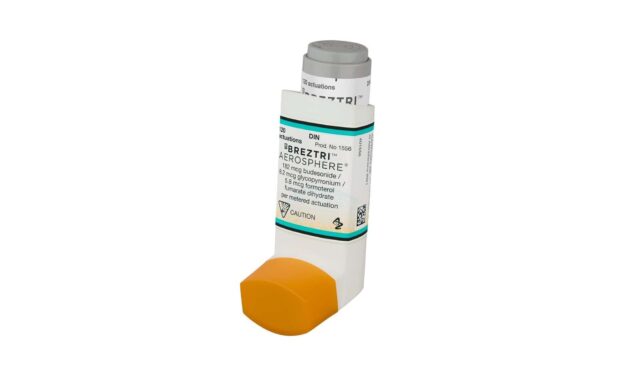
AstraZeneca’s triple-combination asthma therapy Breztri Aerosphere was approved in April 2026 for adults and pediatric patients age 12 and older.
Read More
New research suggests acoustic speech features can identify respiratory exacerbations from the first day of onset.
Read More
A large-scale study finds that the introduction of asthma biologics in 2015 has led to immediate and sustained reductions in exacerbations at the population level.
Read More
A collaboration between Jiva.ai and Aevice Health has developed a predictive model that identifies potential asthma exacerbations up to 72 hours in advance.
Read More
Research using lung-on-a-chip technology shows that mechanical stress from asthma attacks causes tissue damage independently of inflammation.
Read More