Breathing fine particles and wildfire pollution during the second and third trimesters may increase asthma risks for young children.
RT’s Three Key Takeaways:
- Vulnerable Stages of Pregnancy: Maternal exposure to fine particle pollution during the second trimester and wildfire smoke during the third trimester is linked to an increased risk of asthma in early childhood.
- Regional Cohort Analysis: The study evaluated 1,097 children born full-term in Northern California following widespread wildfires between 2017 and 2020.
- Preventive Exposure Strategies: Healthcare professionals can advise expectant mothers to reduce exposure on smoky days by remaining indoors, keeping windows closed, and using air purifiers.
Children whose mothers were exposed to wildfire smoke and air pollution during the middle and later stages of pregnancy face a higher likelihood of developing asthma as young children, according to a study presented at ACAAI 2026.
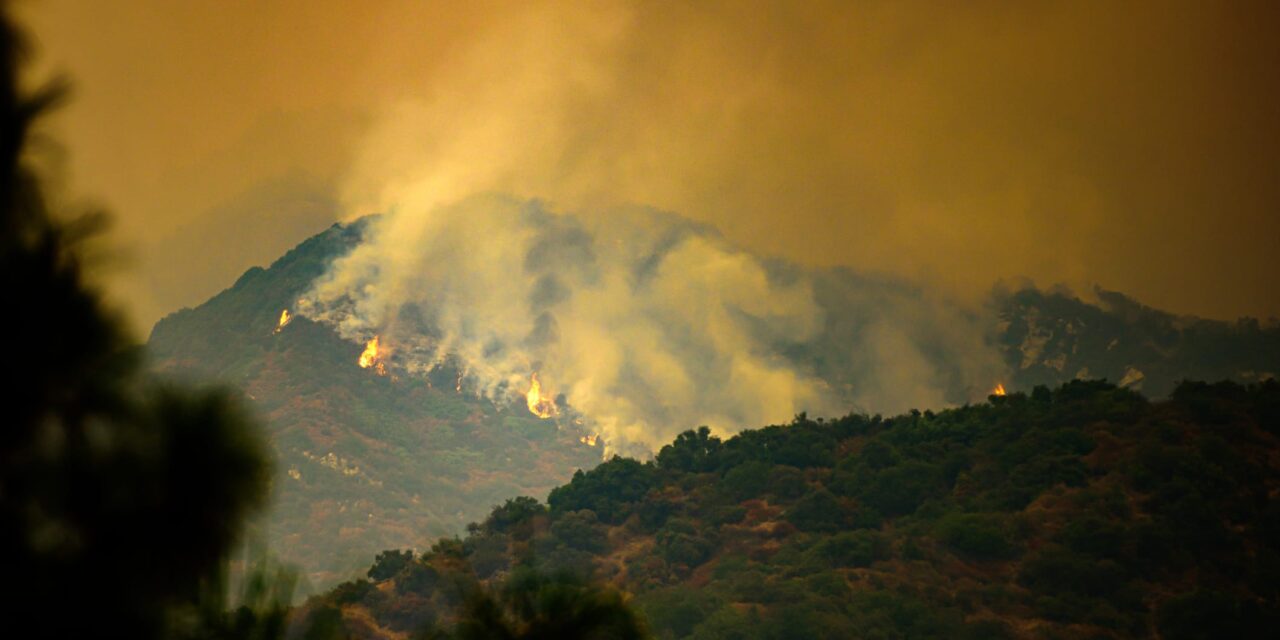
Severe wildfires burned throughout Northern California from 2017 to 2020, blanketing populated regions in smoke and placing pregnant women and young children at elevated risk. Because fetal lung development occurs throughout gestation, investigators sought to evaluate whether in utero exposure to wildfire smoke influences long-term respiratory health.
“A baby’s lung development begins before birth, and our study suggests that certain stages of pregnancy maybe be especially vulnerable to the effects of wildfire smoke,” said Anh Nguyen, MD, lead author of the study and ACAAI member, in a news release. “As wildfires become more frequent and affect larger population, knowing when the exposure poses the greatest risk can help families, healthcare providers, and public health officials to take steps to protect both mothers and babies.”
Evaluating Trimester-Specific Exposure
The research team evaluated 1,097 full-term children born in Northern California. The cohort included 108 children whose mothers were pregnant during the 2017 to 2020 Northern California wildfires and enrolled in the Bio-Specimen Assessment of Fire Effects (B-SAFE) study, alongside 989 children born at University of California, Davis Medical Center between 2017 and 2019 who were identified through medical chart review.
Investigators modeled daily maternal exposure during pregnancy and postpartum for two categories of airborne hazards: fine particulate matter (PM2.5) and pollution directly generated by wildfire smoke. The analysis controlled for contributing variables, including child age, sex, gestational age at birth, family history of asthma, and maternal exposure to cigarette smoke during pregnancy.
The data revealed critical windows of vulnerability:
- Higher exposure to PM2.5 during the second trimester (months 4 through 6 of gestation) was linked to asthma diagnoses in early childhood.
- Elevated exposure to wildfire smoke pollution during the third trimester (months 7 through 9 of gestation) and around the time of delivery was also linked to asthma in early childhood.
Clinical and Public Health Implications
Although the findings demonstrate a link rather than direct causation, identifying vulnerable gestational windows provides clinicians and public health planners with targeted information to guide maternal interventions during wildfire events.
“Pregnant women can’t control when a wildfire happens, but there are things they can do on smoky days,” said Dr Nguyen, lead author of the study, in a news release. “Staying indoors, keeping windows closed, and using an air purifier can help lower how much smoke they breathe in.”
Study Abstract
EFFECT OF PRENATAL WILDFIRE EXPOSURE ON ASTHMA DEVELOPMENT
R141
A. Nguyen*, A. Goodrich, Y. Ren, K. Kim, R. Schmidt, Sacramento, CA.
Introduction
In the past few years, multiple wildfires caused devastating destruction in Northern California, affecting millions, especially pregnant women and children who are particularly vulnerable. Our study aims to investigate the impact of wildfire smoke on developing fetal lung.
Methods
Analyses included 1097 full term (≥ 37 gestation weeks) children. 108 children were born from mothers who were pregnant during the 2017 – 2020 Northern California wildfires and were recruited from B-SAFE (Bio-Specimen Assessment of Fire Effects) study. 989 children who were born at UC Davis Medical center between 2017-2019 and from areas affected by the recent Northern California wildfires were also included through chart review. Daily air pollution exposures were estimated using a hybrid modeling approach that captured estimate PM2.5 exposure for each subject. A Cox proportional hazards model combined with distributed lag nonlinear model was used to evaluate the associations of asthma and wheezing with PM2.5 exposure and wildfire (WF)-specific pollutant during pregnancy and infancy.
Results
Distributed lag models adjusting for child age, sex, gestational age, and secondhand smoking during pregnancy showed that increased PM2.5 exposure levels during second trimester and increased WF-specific pollutant during third trimester and at birth were significantly associated with early childhood asthma development.
Conclusion
Prenatal exposures to PM2.5 and WF-specific pollutants, especially during second and third trimester, were associated with later development of asthma. In identifying sensitive window of gestation exposure to wildfire smoke, this can help shape preventive strategies that mitigate maternal exposure and ultimately protect children’s health.