
Preemptive electrical power shutoffs intended to prevent wildfires are associated with increased emergency visits and hospitalizations, especially when smoke is present.
RT’s Three Key Takeaways:
- Elevated Healthcare Utilization: Planned power shutoffs intended to prevent wildfires are associated with an increased risk of acute respiratory illness and unscheduled hospital admissions.
- Compounding Threat of Wildfire Smoke: The association between power shutoffs and respiratory emergencies is substantially stronger when outages coincide with wildfire smoke, which leaves residents unable to run indoor air filtration units or air conditioners.
- Heightened Vulnerability in COPD: The adverse effects of power shutoffs are most pronounced among patients seeking care for COPD, who frequently depend on electricity-powered medical equipment like oxygen concentrators.
Public safety power shutoffs aimed at preventing wildfires are associated with an increased risk of acute respiratory illness, according to research published in Plos Medicine.
The prevalence of wildfires and co-occurring power outages is increasing in the United States. To prevent wildfires, electric utilities may preemptively de-energize power lines. During a power outage, people cannot run air filtration systems, refrigerators, air conditioners, or other electricity-dependent devices. However, the health effects of these events are not well studied.
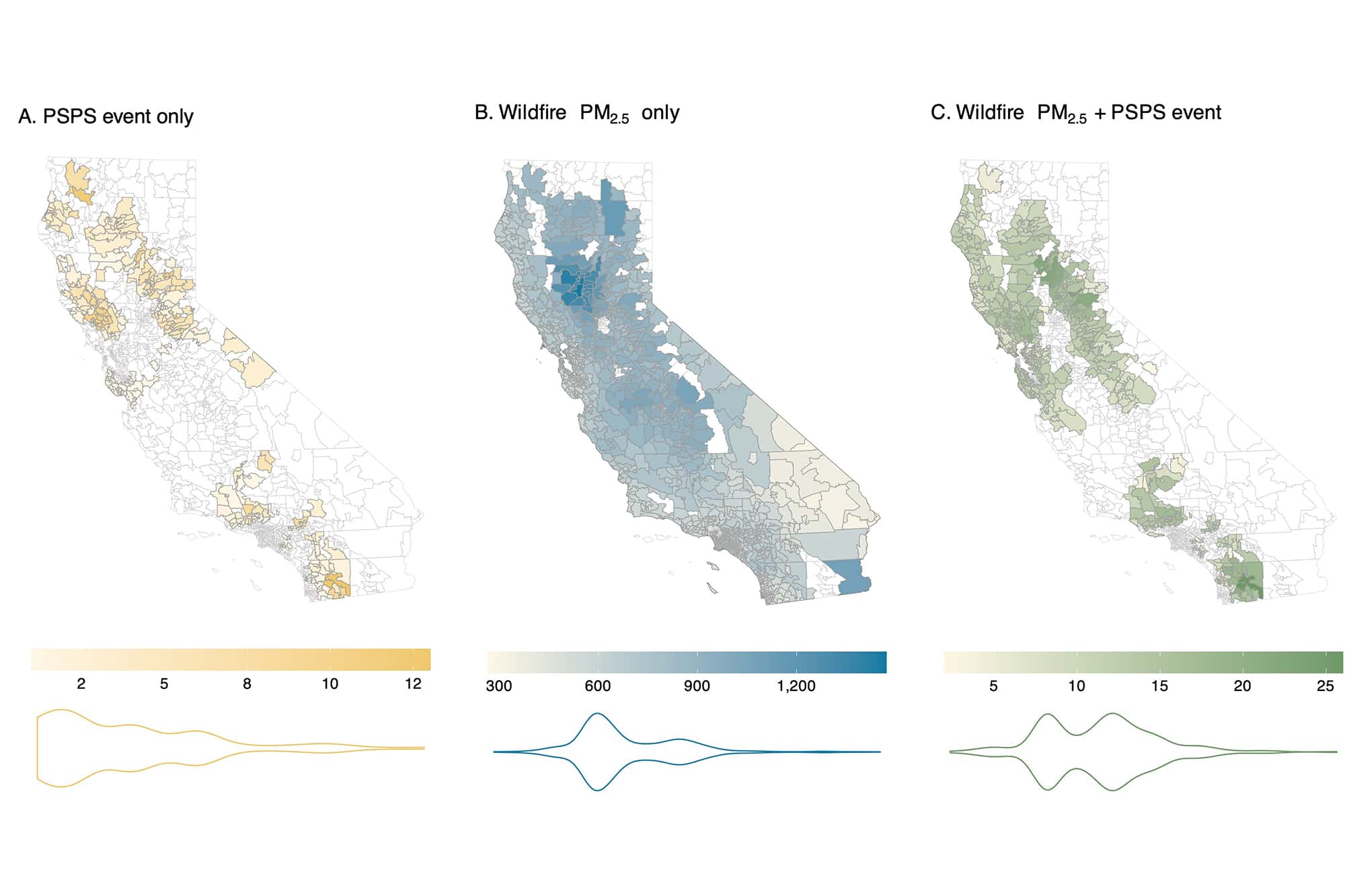
In order to better understand how power shutoffs affect health, researchers identified public safety power shutoff events between 2013-2019. They categorized shutoff magnitude based on the number of people without power by zip code and analyzed emergency room visits and unscheduled hospital admissions data from 1,504 California zip codes during planned outages.
The researchers found that planned power shutoffs were associated with increased rates of healthcare utilization related to respiratory conditions. When power shutoffs occurred in conjunction with wildfires, smoke further exacerbated emergency department and hospital admissions related to acute respiratory illnesses.
According to the authors, “While intended to promote public well-being, these power shutoffs may affect health, particularly for people with respiratory conditions or dependence on electricity-powered medical equipment. As climate change drives more frequent wildfires and the electric grid continues to age, utilities and policymakers must weigh the health costs of these shutoffs against their wildfire-prevention benefits, and act to reduce harm when shutoffs do occur”.
Wilner adds, “Public safety power shutoffs (PSPS) are meant to keep power lines from sparking wildfires, but they often occur when wildfires are already burning, or they fail to prevent a wildfire from igniting. Power outages and smoke can each affect health, and together they may be more harmful. In California, from 2013-2019, we found that PSPS events were associated with elevated risk of emergency department visits and hospitalizations for respiratory conditions, and that this association was substantially stronger when these shutoffs coincided with wildfire smoke. These shutoffs thus carry health costs that utilities should weigh when deciding whether to turn off the power.
“Wildfires are becoming more common and severe, and PSPS events are likely to follow a similar trajectory. A natural question arises: not whether they should happen, but how to make them safer. We found PSPS effects were strongest among people seeking care for COPD, many of whom rely on electricity-dependent medical equipment like oxygen concentrators. Accordingly, before shutting off the power, we need a plan to protect these vulnerable populations.”
The study had several limitations, for example, a lack of individual-level exposure data. Future studies are needed to better understand the individual households’ exposure levels to more accurately assess related health outcomes.
Reference
Wilner LB, Jones-Ngo CG, Chen C, Kwoka B, Do V, Kaufman JD, et al. (2026) Co-exposure to planned power outages and wildfire PM2.5 and acute healthcare utilization in California: A time-stratified case-crossover study. PLoS Med 23(10): e1005270. https://doi.org/10.1371/journal.pmed.1005270