New national data show surging hospitalizations, low helmet use, and severe injuries concentrated among pediatric e-scooter riders.
RT’s Three Key Takeaways:
- Surging Trauma Admissions: Electric scooter trauma admissions increased by 92% between 2021 and 2023, with more than 10% of admitted patients requiring surgical procedures.
- Vulnerable Pediatric Population: Nearly two-thirds of injured riders under the age of 16 sustained major trauma, with physical development influencing injury severity more than scooter speed.
- Low Protective Equipment Use: Documented helmet use remained extremely low across more than 10,000 national trauma admissions, highlighting an urgent need for enhanced injury prevention and clinical readiness in trauma bays.
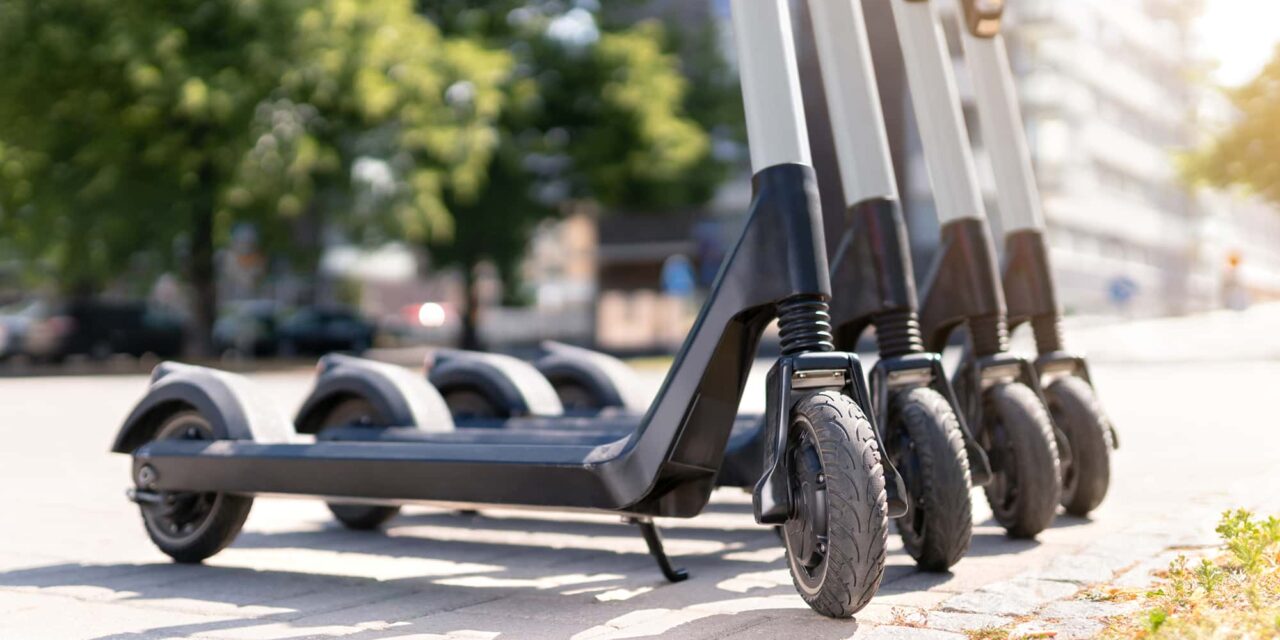
Hospital admissions for electric scooter-related trauma nearly doubled from 2021 to 2023, while nearly two-thirds of injured riders under 16 sustained major injuries, according to two national analyses presented at the American College of Surgeons (ACS) Clinical Congress 2026.
The findings provide a national perspective on the escalating burden of e-scooter injuries presenting to acute healthcare facilities. The data arrive amid an uneven regulatory landscape where helmet requirements, speed restrictions, and age limits vary significantly across state and municipal jurisdictions.
Admissions Double Amid Low Helmet Compliance
Researchers from Howard University Hospital in Washington evaluated national trauma records from 2021 through 2023, marking the initial years ICD-10 coding was available to track e-scooter trauma. Among 10,151 e-scooter trauma admissions analyzed, hospital admissions surged 92%, and helmet use was recorded in only a small fraction of cases, the authors reported in a news release.
“It’s important to recognize that e-scooters are not innocuous vehicles; there is danger to them,” said Quyen D Chu, MD, MBA, FACS, a professor of surgery at Howard University Hospital and senior author of the study. “We need to counsel patients that when they ride these vehicles, they should slow down, obey traffic rules, and wear helmets. Injuries can lead to serious consequences, including a greater than 10% chance of needing an operation.”
The study team emphasized that acute care facilities must prepare for sustained increases in micro-mobility-related trauma admissions.
“We may just be seeing the tip of the iceberg when it comes to understanding trauma related to e-bikes and e-scooters,” said Edward E Cornwell III, MD, FACS, FCCM, a professor of surgery at Howard University College of Medicine and co-author of the study, in a news release. “Although this was a national study, injury patterns may differ in urban, suburban, and rural settings. We need to understand this better to prevent more injuries and actively plan for treating these injuries in the trauma bay.”
Pediatric Riders Face Severe Outcomes
In a separate analysis, investigators examined whether rider age and travel speed correlated with trauma severity. Researchers led by a team at Mass General Brigham for Children in Boston reviewed 2,185 pediatric patients aged 18 and younger using the National Electronic Injury Surveillance System (NEISS), according to study details presented at the conference.
The researchers identified that younger age was associated with more severe injuries among pediatric and adolescent riders, even though older riders reported operating the devices at higher speeds.
“A child’s body is still developing, and that — more than the speed of the scooter — is what seems to determine how badly they get hurt,” said Cornelia L Griggs, MD, MPH, FACS, a pediatric surgeon and surgical critical care specialist at Mass General Brigham for Children and senior author of the study. “An e-scooter is not a toy. We know they’re convenient and many families enjoy them, but a child can get hurt far worse on one than on a regular bike.”