The FDA’s PreCheck Pilot Program will expand domestic pharmaceutical manufacturing, increase production capacity, and strengthen US drug supply chain resilience.
RT’s Three Key Takeaways:
- Domestic Manufacturing Boost: The FDA selected seven companies for a pilot program to expand domestic pharmaceutical manufacturing and reduce reliance on foreign sources.
- Respiratory Treatment Production: The FDA launched the PreCheck Pilot Program on February 1 and received over 80 requests to participate.
- Regulatory Pathway Efficiency: The PreCheck model provides participants with early technical guidance and pre-submission meetings to identify potential facility issues before they cause application delays.
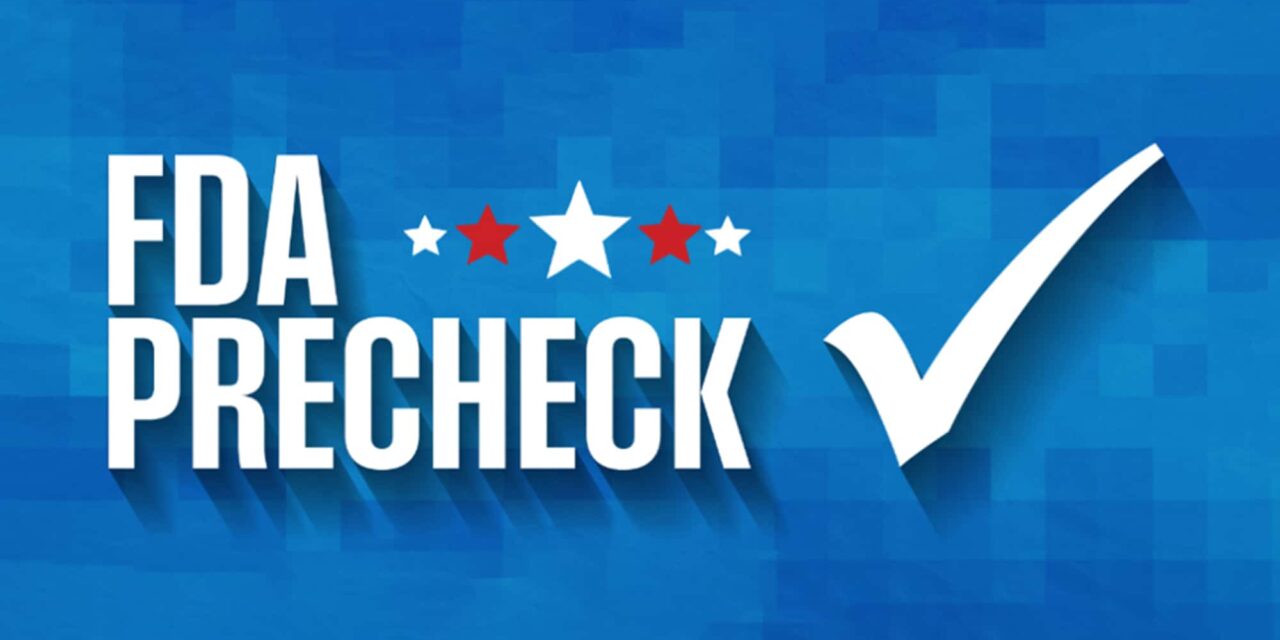
The USFDA announced the selection of seven companies to participate in the FDA PreCheck Pilot Program, a new initiative designed to boost American global competitiveness, strengthen domestic drug manufacturing, and improve the resilience of the U.S. drug supply chain.
The FDA launched the PreCheck Pilot Program on February 1, 2026. The program will support the development of new US pharmaceutical manufacturing facilities by encouraging earlier FDA engagement and providing a more predictable regulatory pathway for companies that plan to manufacture drugs for the US market, helping support greater access to critical medicines for Americans.
Between February 1 and March 1, 2026, the FDA received over 80 requests to participate in the FDA PreCheck Pilot Program. To be eligible, companies proposed a new domestic manufacturing facility that will be capable of manufacturing drug products to address a market supply need or improve patient access to therapies for unmet medical needs. Eligible companies also committed to submitting a New Drug Application (NDA), Biologics License Application (BLA), Abbreviated New Drug Application (ANDA), or a supplement to one of those applications that relies on the new manufacturing facility.
FDA drug and biologic experts evaluated all requests to participate using an objective framework and scoring rubric. In evaluating the requests, the FDA considered several aspects including the products to be manufactured, the stage of facility development, the anticipated timeline for bringing products to the US market, and innovation in facility development and manufacturing operations.
The following companies have been selected to participate in the pilot:
- Amneal Pharmaceutical: Amneal’s facility in Long Island, NY will manufacture small molecule sterile liquid products for pain management, respiratory and ophthalmic diseases.
- Cellares Corp.: Cellares’s facility in Bridgewater, NJ will manufacture cell-based gene therapy products for oncology and hematology diseases.
- Eli Lilly and Company: Eli Lilly’s facility in Lebanon, IN will manufacture drug substance (active pharmaceutical ingredients) in support of the company’s existing and future medicines.
- FUJIFILM Biotechnologies:FUJIFILM’s facility in Holly Springs, NC will support commercial-scale cell culture biomanufacturing.
- Kriya Therapeutics, Inc.: Kriya’s facility in Durham, NC will manufacture AAV-based gene therapy products to address chronic disease conditions.
- Kyowa Kirin, Inc.: Kyowa’s facility in Sanford, NC will manufacture biotechnology drug substance for rare diseases.
- Regeneron Pharmaceuticals, Inc.: Regeneron’s facility in Saratoga Springs, NY will manufacture biotechnology drug substance, sterile injectables, and novel protein therapeutics for multiple diseases.
Selected participants will engage with FDA under the two-phase PreCheck model:
- In Phase 1 (Facility Readiness), participants will receive early technical guidance from the FDA before the facility becomes operational, including reviews of facility information submitted through a facility-specific Drug Master File (DMF). This allows the FDA to assess and help enhance facility readiness before a drug or biologics application is submitted.
- In Phase 2 (Application Submission), participants will have opportunities for enhanced engagement with the FDA through facility-focused pre-submission meetings, which are intended to support expedited facility evaluation and enable inspections earlier in the review cycle.
The FDA PreCheck Pilot Program enhances FDA-industry engagement by facilitating earlier interactions to minimize uncertainty associated with manufacturing readiness. The PreCheck model enables FDA expertise and feedback to inform the acceleration of the facility development process from the outset, while allowing the FDA to identify potential facility issues before they result in deficiencies that could delay or prevent application approval. By facilitating earlier resolution of manufacturing issues, the program is intended to support the timely availability of critical drugs for Americans.