Surgeons replaced the lungs, liver, and kidney of a 28-year-old cystic fibrosis patient to treat multisystem complications and prevent post-operative infection.
RT’s Three Key Takeaways:
- Rare Multi-Organ Procedure: The 36-hour operation represents the first quadruple-organ transplant performed in Illinois and only the sixth of its kind in the US.
- Addressing CF Complications: The patient required new organs after cystic fibrosis led to end-stage liver disease, kidney failure, and chronic lung infections.
- Infection Control Strategy: Clinical teams elected to replace the patient’s lungs to prevent drug-resistant bacteria from spreading to the new liver and kidney during post-operative immunosuppression.
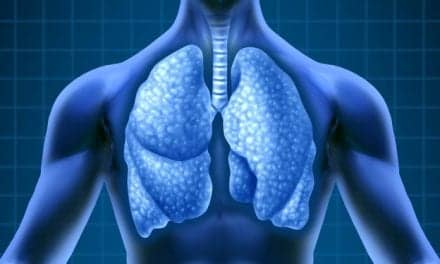
UChicago Medicine surgeons successfully performed a quadruple-organ transplant on a 28-year-old patient with cystic fibrosis (CF), marking the first such procedure in Illinois and the sixth in the US. The 36-hour operation involved the transplantation of both lungs, a liver, and a kidney from a single donor, according to the United Network for Organ Sharing (UNOS).
Jasmine Jones, the recipient, was diagnosed with CF as an infant. While her childhood was relatively typical, her condition worsened in her late teens as excess mucus caused chronic infections and scarring. The disease eventually progressed to include CF-related diabetes and end-stage liver and kidney failure.
“Liver secretes bile through very small ducts, and these ducts get plugged up because the bile is too thick in CF patients,” said Edward Naureckas, MD, pulmonologist and director of the adult cystic fibrosis program at UChicago Medicine, in a news release.
While cystic fibrosis transmembrane conductance regulator (CFTR) modulators have reduced the need for lung transplants in many patients, Jones was unable to tolerate the medication. By late 2025, she required a liver and kidney transplant. However, surgeons were concerned that drug-resistant bacteria in her diseased lungs would infect the new organs once her immune system was suppressed following surgery.
“We needed to remove both lungs to eliminate the probability of that hard-to-treat bacteria creating problems afterward when her immune system was suppressed,” said Pablo Sanchez, MD, PhD, thoracic surgeon at UChicago Medicine, in a news release.
The procedure began on Jan 5, 2026, with the removal and replacement of both lungs. Following the lung transplant, surgeons implanted the donor liver, which was maintained using a device that pumped oxygen-rich blood through the organ. After a day of recovery in the intensive care unit (ICU), surgeons implanted the donor kidney.
The UChicago Medicine Transplant Institute, which manages and coordinates healthcare for complex transplant patients, has performed the most triple-organ transplants in the world.
“It’s second nature at UChicago Medicine to work in big teams and across medical specialties,” said Rolf Barth, MD, transplant surgeon and co-director of the UChicago Medicine Transplant Institute. “The number of people involved in Jasmine’s case, from work-up to approval to surgery — these are efforts that even centers doing complex cases can’t accomplish.”
Jones spent six weeks in the hospital followed by several weeks of inpatient rehabilitation. She continues to receive outpatient care and takes immunosuppressant medications to prevent organ rejection. Her new organs are currently free of CF.
“Jasmine’s body had been through so much, but she handled every challenge incredibly well,” said Ashley Suah, MD, kidney and liver transplant surgeon at UChicago Medicine.
Image: 28-year old Jasmine Jones received a quadruple organ transplant from UChicago Medicine.
Image credit: UChicago Medicine