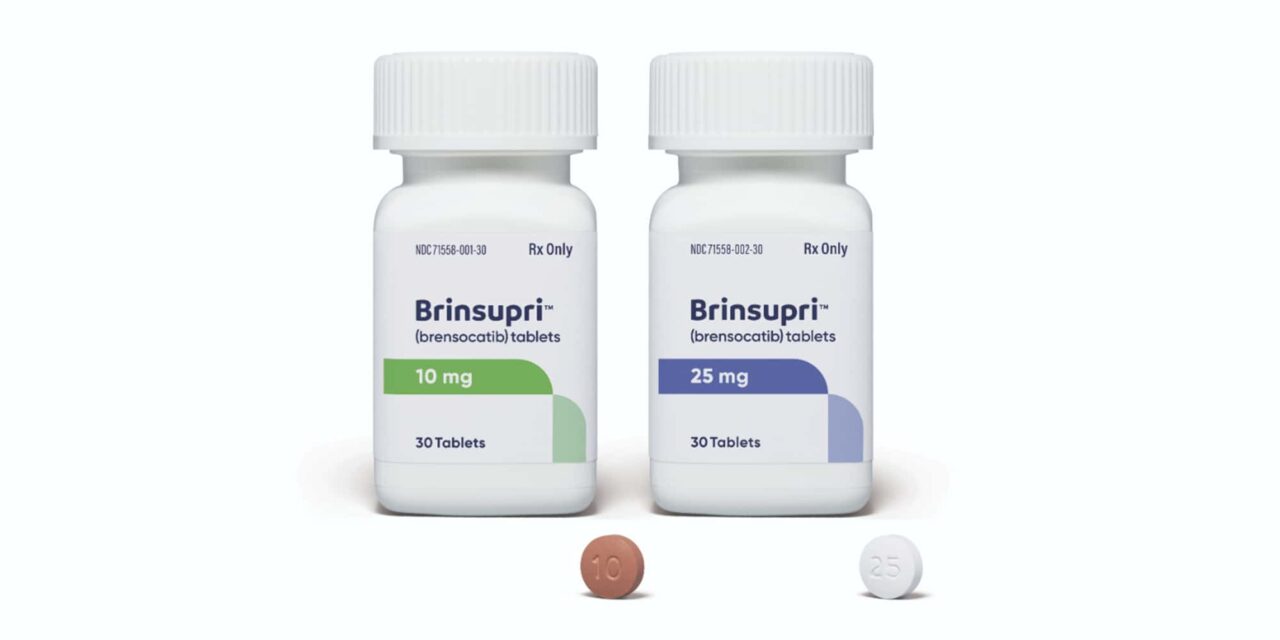
Insmed’s Brinsupri (brensocatib) has been approved by the FDA as an oral, once-daily treatment for non-cystic fibrosis bronchiectasis (NCFB) in adults and children 12 years and older.
RT’s Three Key Takeaways:
- First FDA-Approved Therapy for NCFB – Brinsupri (brensocatib) is now the only approved treatment for non-cystic fibrosis bronchiectasis, targeting the underlying neutrophilic inflammation that drives chronic airway damage and exacerbations.
- Proven Reduction in Exacerbations – In Phase 3 trials, Brinsupri reduced annual flare rates by up to 21%, prolonged time to first exacerbation, increased exacerbation-free patients, and slowed lung function decline in the 25 mg group.
- Potential New Standard of Care – By directly addressing a root cause of bronchiectasis rather than just symptoms, Brinsupri represents a paradigm shift in disease management and offers hope for improved quality of life for patients.
The FDA has approved Brinsupri (brensocatib 10 mg and 25 mg tablets), an oral, once-daily treatment for non-cystic fibrosis bronchiectasis (NCFB) in adults and children 12 years and older, according to Insmed Inc.
According to Insmed, Brinsupri is the first and only FDA-approved treatment for NCFB, a chronic lung disease that affects an estimated 500,000 Americans.
Brinsupri is a first-in-class dipeptidyl peptidase 1 (DPP1) inhibitor, designed to inhibit the activation of enzymes (neutrophil serine proteases) in neutrophils that are key drivers of chronic airway inflammation in NCFB. The drug is the first approved therapy to address the underlying inflammatory process of NCFB, according to Insmed.
This approval is based on data from the Phase 3 ASPEN and Phase 2 WILLOW studies, which were both published in the New England Journal of Medicine.
- In ASPEN, patients taking Brinsupri 10 mg or 25 mg had a 21.1% and 19.4% reduction in annual rate of exacerbations respectively, as compared to placebo. Both dosage strengths of Brinsupri also met several exacerbation-related secondary endpoints, including significantly prolonging the time to first exacerbation and significantly increasing the proportion of patients remaining exacerbation-free over the treatment period. Patients who received Brinsupri 25 mg experienced statistically significant less decline in lung function, as measured by forced expiratory volume in one second (FEV₁) after using a bronchodilator, at week 52. The safety of Brinsupri was also evaluated in both studies. The most common adverse reactions ≥2% in the ASPEN trial included upper respiratory tract infection, headache, rash, dry skin, hyperkeratosis, and hypertension.
- The safety profile for adult patients with NCFB in WILLOW was generally similar to ASPEN, except for a higher incidence of gingival and periodontal adverse reactions in WILLOW.
“This FDA approval represents a potential paradigm shift in how we approach non-cystic fibrosis bronchiectasis,” said Doreen Addrizzo-Harris, MD, FCCP, the Fiona and Stanley Druckenmiller Professor of Pulmonary, Critical Care and Sleep Medicine at NYU Grossman School of Medicine and Director of the NYU Langone Health Bronchiectasis and NTM Program, and ASPEN investigator. “For the first time, we have a treatment that directly targets neutrophilic inflammation and addresses a root cause of bronchiectasis exacerbations. Based on the strength of the data and the impact we’ve seen in patients, I believe this could become the new standard in non-cystic fibrosis bronchiectasis care.”
Unlike other respiratory diseases that are characterized by airway narrowing, bronchiectasis causes airways to permanently widen, making it harder to clear mucus and bacteria, leading to persistent inflammation and infection. A hallmark of bronchiectasis is frequent exacerbations, or flares, when symptoms worsen, such as coughing, increased mucus, shortness of breath and fatigue.
“Non-cystic fibrosis bronchiectasis deeply affects the lives of people living with this chronic lung condition, impacting both their physical health and emotional well-being,” added Elisha Malanga, Executive Director of the Bronchiectasis and NTM Association. “Many patients experience frequent flares, which can disrupt daily life and potentially lead to disease progression. The FDA approval of brensocatib represents a significant and long-awaited advancement as the first approved therapy for non-cystic fibrosis bronchiectasis. Our hope is that treatments like this will enable people with bronchiectasis to manage their condition.”
In parallel, applications for brensocatib with the European Medicines Agency (EMA) and the Medicines and Healthcare products Regulatory Agency (MHRA) have been accepted, and the Company plans to file in Japan in 2025. Commercial launches are anticipated in 2026, pending approval in each territory.