ALA Launches Study to Test Omalizumab for COPD Flare-ups
The COPD-OMA trial will examine if the asthma drug omalizumab (Xolair) benefits COPD patients with sensitivities to indoor allergens.


The COPD-OMA trial will examine if the asthma drug omalizumab (Xolair) benefits COPD patients with sensitivities to indoor allergens.

The COPD-OMA trial will examine if the asthma drug omalizumab (Xolair) benefits COPD patients with sensitivities to indoor allergens.
Read More
The US FDA and the European Medicines Agency (EMA) accepted regulatory filings for Teva Pharma’s biosimilar candidate to Xolair (omalizumab).
Read More
Biologics including Dupilumab and anti-IL-5 agents were associated with a lower probability of pneumonia within the study.
Read More
There is no significant difference between the successful consumption of allergenic foods when using omalizumab versus multi-food oral immunotherapy.
Read More
Omalizumab reduced allergy-driving IL-4⁺ T cells and specific dendritic cell subsets, increasing patients’ tolerance to peanuts and other food allergens.
Read More
Omlyclo (omalizumab-igec) is the first and only biosimilar designated as interchangeable with Xolair (omalizumab) for the treatment of moderate to severe persistent asthma, CRSwNP, IgE-mediated food allergy, and chronic spontaneous urticaria.
Read More
Xolair was superior to oral immunotherapy in both effectiveness and fewer side effects for people with one or more food allergies.
Read More
Food allergic patients have better outcomes with omalizumab than oral immunotherapy.
Read More
Sixteen weeks of omalizumab results in a higher tolerated threshold for multiple food allergies, including peanuts.
Read More
The treatment yielded similar outcomes for egg, milk, wheat, cashew, walnut, and hazelnut.
Read More
Previously approved to treat asthma and nasal polyps, Xolair has now received FDA approval as the first treatment for reducing food allergy reactions in both children and adults.
Read More
The monoclonal antibody treatment significantly increased the amounts of multiple common foods that food-allergic children and adolescents could consume.
Read More
Severe asthma patients account for as much as 60% of all asthma healthcare costs, and proper management of severe disease is essential.
Read More
The US FDA has approved Genetech’s Xolair (omalizumab) prefilled syringe for self-injection for the treatment of moderate to severe persistent allergic asthma, chronic idiopathic urticaria, and nasal polyps.
Read More
Xolair is now FDA-approved across three diseases, including persistent allergic asthma, chronic idiopathic urticaria, and now nasal polyps.
Read More
The FDA accepted a sBLA for a new self-administration option for Xolair (omalizumab) across all approved US indications, according to Genetech.
Read More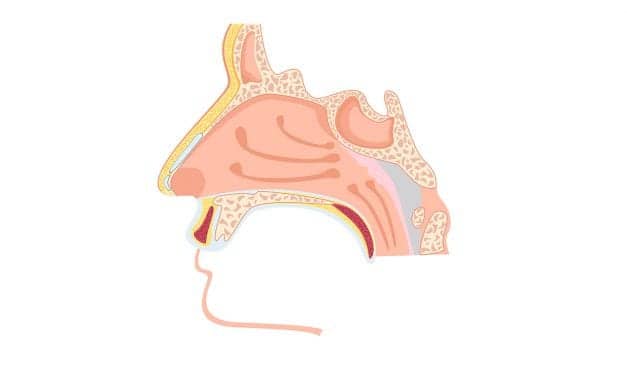
Xolair would become the first antibody to help reduce the size of nasal polyps and help improve symptoms through blocking immunoglobulin E.
Read MoreThe US FDA has granted Breakthrough Therapy Designation for Xolair (omalizumab) for the prevention of severe allergic reactions following accidental exposure to one or more foods in people with allergies.
Read More
Severe asthma patients who are uncontrolled despite receiving Xolair (omalizumab) experienced improved asthma control when switched to Nucala (mepolizumab), according to GlaxoSmithKline.
Read More
Genentech announced that the FDA has approved Xolair to treat moderate to severe persistent asthma in specific children 6 to 11 years of age.
Read More
Xolair (omalizumab) was “highly effective” for the management of severe allergic asthma, according to research published in Allergy and reported by HealthDay News.
Read More
U.S. regulators on Monday finalized a strong new label warning patients and doctors about a potentially severe allergic reaction to Genentech Inc.’s asthma drug Xolair (omalizumab).
Read More
FDA Approves Asthma Prevention Injection Moderate to severe allergic asthma sufferers who receive no relief from inhaled corticosteroids may now benefit from a humaized therapeutic antibody designed to target the antibody IgE. The drug—call
Read More