Menthol Amplifies Duration, Intensity of Inhaled Nicotine
E-cigarette aerosols combining menthol and nicotine produced stronger physiological responses and higher blood metabolite levels in animal models.


E-cigarette aerosols combining menthol and nicotine produced stronger physiological responses and higher blood metabolite levels in animal models.

E-cigarette aerosols combining menthol and nicotine produced stronger physiological responses and higher blood metabolite levels in animal models.
Read More
The new VA/DoD recommendations name varenicline and combination nicotine replacement therapy as preferred treatments for tobacco use cessation.
Read More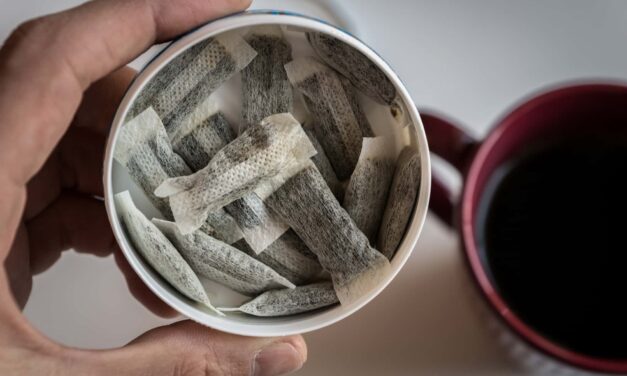
While traditional cigarette smoking has dropped, overall nicotine exposure is shifting toward alternative products such as e-cigarettes, with youth starting at earlier ages.
Read More
Early exposure to e-cigarette vapor may alter the brain’s reward system well into adulthood, according to new research.
Read More
Nicotine exposure, including from e-cigarettes and pouches, may heighten the risk of anxiety and depression in teens, particularly in girls.
Read More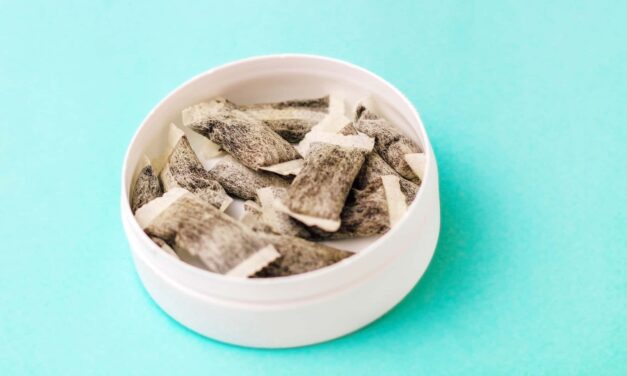
The latest round of products brings the total number of FDA-authorized flavored nicotine pouches to 43.
Read More
A Rutgers Health study indicates that capping nicotine levels could eliminate smoking disparities and provide a trillion-dollar boost to the US economy.
Read More
There are now 30 flavored nicotine pouch products authorized for sale by the FDA, but some health organizations have expressed concerns for potential youth adoption.
Read More
Data from 2022 to 2025 indicate that current tobacco use, including e-cigarettes and cigarettes, has decreased among US middle and high school students.
Read More
The FDA authorized 20 Zyn nicotine pouches, including 10 flavored products, despite concerns from health experts over increased youth use.
Read More
A study shows that tobacco-free “herbal” cigarettes produce high levels of fine particles and molecules that can damage lung tissue.
Read More
A study of 142,000 patients suggests GLP-1 medications may influence brain pathways involved in cravings for nicotine, opioids, and alcohol.
Read More
New research finds that people over age 60 use cannabis primarily to manage pain and sleep, often relying on word of mouth over medical advice.
Read More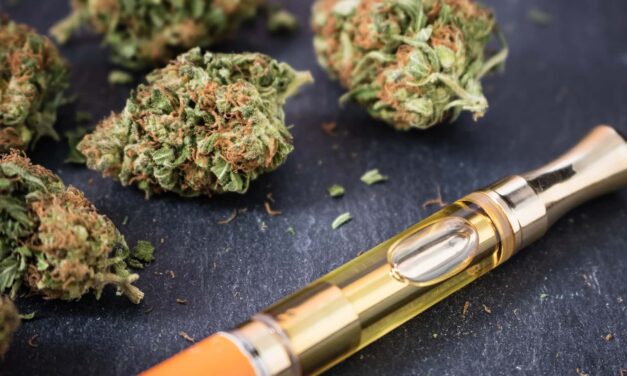
A study of more than 175,000 students found that teens consistently perceive cannabis as lower risk than nicotine products and alcohol, with perceived harm declining as students age.
Read More
The FDA authorized the marketing of four Glas electronic nicotine delivery systems (ENDS) through the premarket tobacco product application pathway.
Read More
A Phase 1 clinical trial of Qnovia’s RespiRx handheld inhalable nicotine replacement therapy (NRT) revealed cigarette-comparable nicotine delivery with favorable safety profile.
Read More
Simultaneous use of cannabis with nicotine and tobacco products is common, especially among young adults who vape.
Read More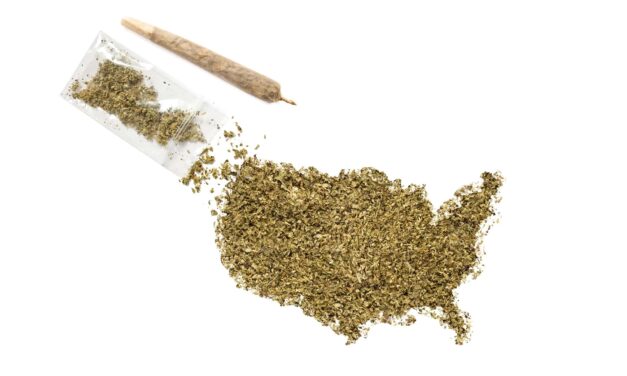
Abstention from drug use remains at an historic high for teens, according to an annual survey of US adolescents.
Read More
Rutgers Health research confirms confusion about the different mechanisms that make nicotine and tobacco addictive.
Read More
Nicotine pouch use has significantly increased, while vaping nicotine or cannabis were at all-time highs among American adults age 19-30 years old.
Read More
The first national estimate of daily nicotine pouch use in the US found that 2.5% of American adults use the product, and most users may be smokers who want to reduce or quit smoking.
Read More
The proliferation of nicotine pouch ingestions by children has prompted the FDA to call for child-resistant packaging for all products.
Read More
A study evaluated whether vaporized nicotine products are more effective than nicotine replacement therapies for smoking cessation among people experiencing social disadvantage.
Read More
The European Society of Cardiology (ESC) has called for the European Union to apply higher excise taxes, advertising bans, and indoor-use restrictions to all nicotine products.
Read More