How Are Snoring Sounds Created? Upper Airway Simulation Explains
New 3D modeling reveals that unsteady airflow over the soft palate drives loud snoring sounds, pointing toward targeted therapies.


New 3D modeling reveals that unsteady airflow over the soft palate drives loud snoring sounds, pointing toward targeted therapies.

Scheduled 30-minute naps helped hospital residents manage simulated cardiac arrest crises during 24-hour shifts, according to a clinical trial.





The USFDA granted 510(k) clearance for the HoneyNaps Somnum V3.0 Ai-based software for polysomnography (PSG) analysis, according to the company.







Monitoring sleep quality could help healthcare providers identify respiratory issues in ALS patients before they become advanced.

Napping for more than 30 minutes daily significantly increases the likelihood of developing chronic liver conditions in individuals with type 2 diabetes.
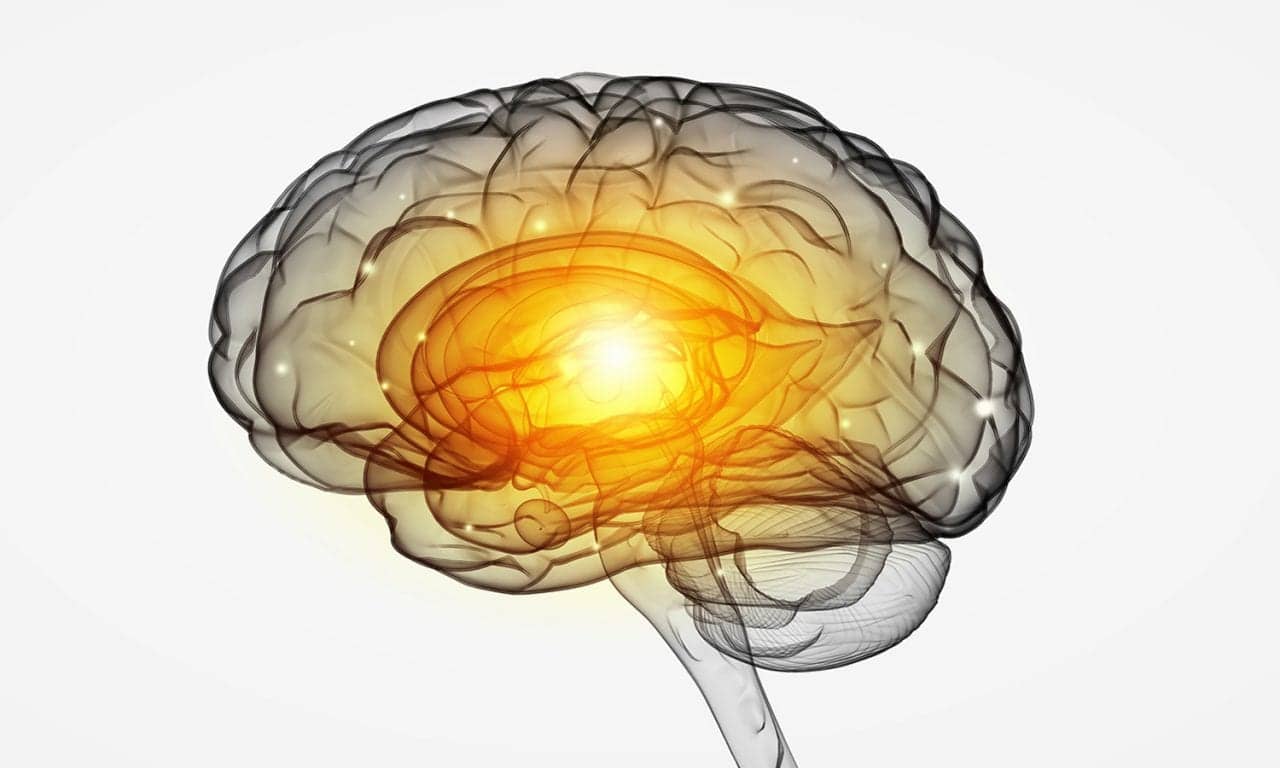
Degeneration in the locus coeruleus, alongside the hypothalamus, contributes to sleepiness and muscle weakness in narcolepsy type 1.