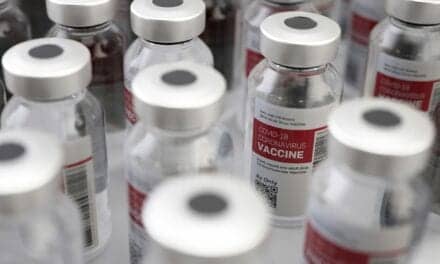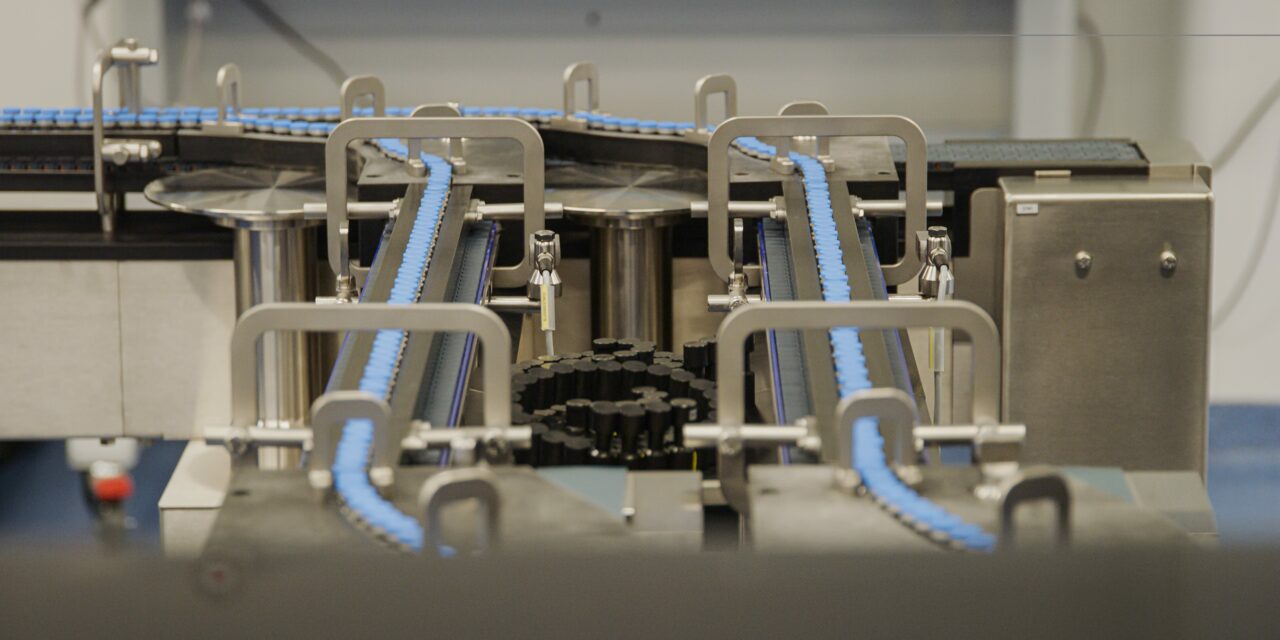

The new multi-dose RSV vial is expected to lower costs and simplify global distribution to protect infants from severe respiratory illness.
RT’s Three Key Takeaways:
- Expanded Global Access: The World Health Organization (WHO) prequalified a multi-dose vial presentation of the maternal respiratory syncytial virus (RSV) vaccine, RSVpreF (Abrysvo), to reduce costs and ease distribution in lower-income countries.
- Significant Pediatric Burden: RSV leads to more than 3.6 million hospitalizations and roughly 100,000 deaths annually among children under 5 years of age, with nearly half of those deaths occurring in infants younger than 6 months.
- Maternal Immunization Strategy: The WHO recommends administering the maternal vaccine during the third trimester of pregnancy, from week 28 onward, to optimize antibody transfer and protect infants during their first six months of life.
The World Health Organization (WHO) has prequalified the multi-dose vial presentation of the maternal respiratory syncytial virus (RSV) vaccine, RSVpreF (Abrysvo), according to the agency. The milestone is intended to protect more infants globally against pneumonia and severe respiratory complications.
The introduction of the multi-dose format is anticipated to make maternal RSV vaccination significantly more affordable and easier to supply, particularly in nations supported by Gavi, the Vaccine Alliance. The regulatory decision follows the WHO’s prequalification of the single-dose formulation in March 2025 and Gavi’s subsequent approval in July 2025 to create a dedicated maternal RSV immunization program.
Addressing High Global Infant Mortality
Globally, RSV is estimated to cause more than 3.6 million hospital admissions and approximately 100,000 deaths every year in children under 5 years of age, according to WHO data. Almost half of these fatalities occur in infants under 6 months of age, which represents the primary group shielded by maternal vaccination.
The agency also reported that roughly 97% of RSV-related pediatric deaths occur in low- and middle-income nations where families face limited access to supportive medical treatment and healthcare facilities. In many instances, affected infants succumb to the respiratory infection at home before reaching a clinical setting.
Improving Delivery Feasibility
Developed with financial and technical support from the Gates Foundation, the lower-cost multi-dose vial formulation is designed to enhance the ability of national healthcare systems to plan, finance, and execute large-scale immunization campaigns.
The maternal vaccine functions by prompting the mother’s immune system to produce protective antibodies, which transfer across the placenta to the fetus prior to delivery, defending infants against severe lower respiratory tract disease during their most vulnerable first six months.
To reduce the worldwide burden of severe RSV illness, the WHO advises all countries to incorporate either the maternal RSVpreF vaccine or the preventive monoclonal antibody, nirsevimab, into their national immunization schedules. When utilizing the maternal immunization approach, the WHO recommends administering the RSVpreF dose during the third trimester of pregnancy, specifically from gestational week 28 onward, to facilitate optimal transplacental antibody transfer.