Healthy lifestyle habits can repress the inflammatory effects of genetic mutations in white blood cells common in seniors.
RT’s Three Key Takeaways:
- Clonal Hematopoiesis Mitigation: Sufficient sleep and regular exercise can selectively repress the proliferative programming of mutant white blood cells, reducing the formation of harmful arterial plaque.
- Age-Related Genetic Risk: Clonal hematopoiesis mutations, which increase inflammation and cardiovascular risk, are present in half of individuals over age 80 but can be managed through lifestyle behaviors.
- Targeted Signaling Pathways: Researchers identified that sleep and exercise influence specific pathways like CLEC4E and ADRB2 to decrease inflammation in mutant macrophages, offering a roadmap for future therapeutics.
Healthy sleep and regular physical activity can counteract genetic mutations in white blood cells that are associated with cardiovascular disease, according to a Mount Sinai study published in Nature.
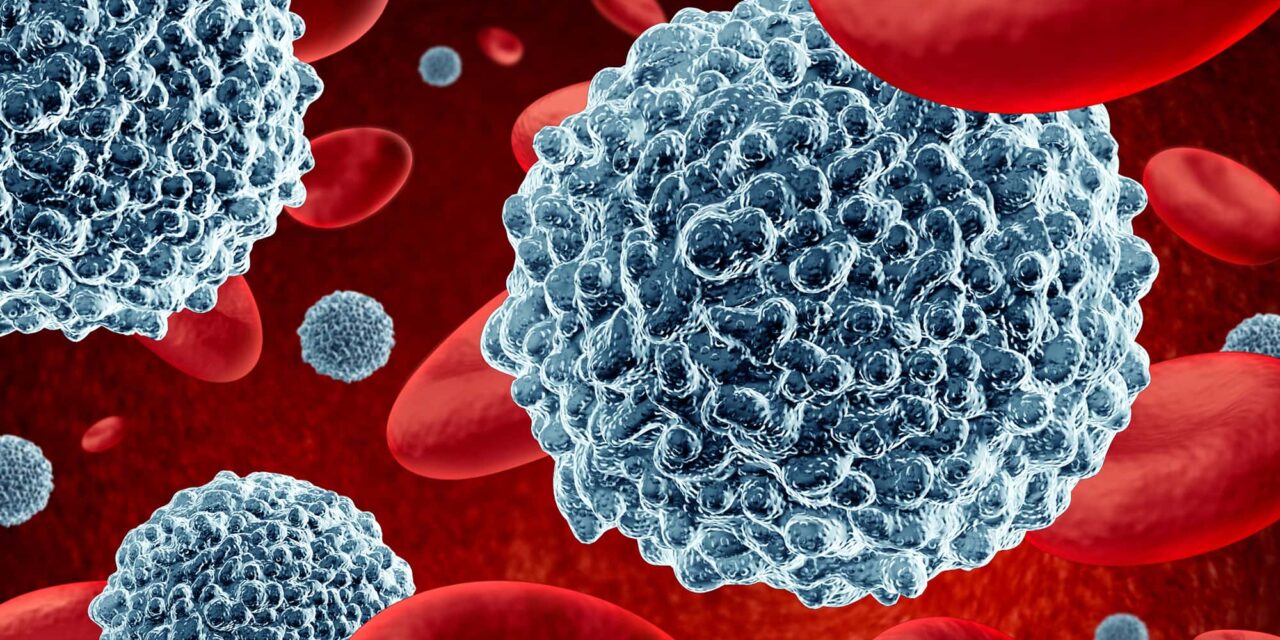
The research team reported that sufficient sleep and exercise help reduce the cell expansion and atherosclerotic risk linked to mutations that occur spontaneously in white blood cells. These mutations, known as clonal hematopoiesis (CH), accumulate over a lifetime and occur most often in hematopoietic stem cells in the bone marrow.
When these stem cells develop mutations, they proliferate faster than normal and become more inflammatory, which can damage tissues in the body. CH is detectable in 25% of people over age 70 and 50% of people over age 80.
“We’ve discovered that healthy sleep and exercise can selectively influence immune cells with clonal hematopoiesis mutations, repressing their proliferative programming and expansion, as well as their ability to promote the formation of harmful plaque in the arteries of the heart,” said Cameron McAlpine, senior author of the study and associate professor of medicine (cardiology) and neuroscience at the Icahn School of Medicine at Mount Sinai, in a news release.
The study involved nearly 83,000 participants from the UK Biobank and 8,404 from All of Us, a dataset managed by the National Institutes of Health (NIH). Researchers also used mouse models to evaluate the impact of sleep fragmentation and exercise on CH caused by mutations in genes such as Jak2, Tet2, p53, and Dnmt3a.
The findings indicated that moderate-to-vigorous physical activity was associated with a reduced incidence of gene-specific CH and fewer mutant cells in the blood. Sufficient sleep and exercise “turned off” the detrimental effects of certain mutant stem cells in the bone marrow, decreasing their ability to grow in a process called clonal expansion.
“Significantly, we found that a healthy lifestyle can mitigate CH clonal expansion and the atherosclerotic consequences of CH mutations, making mutant cells behave like healthy, nonmutated cells,” said Teresa Gerhardt, postdoctoral fellow and lead author of the study, in a news release.
The study also examined macrophages, which are immune cells that normally destroy germs and damaged or cancerous cells. Macrophages with a CH mutation, specifically in the Jak2 gene, no longer function properly and instead promote the development of atherosclerosis and increase arterial lesions.
Researchers found that sleep repressed inflammatory pathways in Jak2 mutant macrophages by limiting CLEC4E signaling. Exercise had a similar effect by inducing sympathetic ADRB2 signaling from the brain to the macrophages, thereby decreasing inflammation and lesion size.
The Mount Sinai team is now working to develop therapeutics that can modulate these signaling pathways to target mutant cells in patients with specific mutations.
“The malleability of CH mutant cells means we can harness new signaling pathways to shut off the detrimental proliferative and inflammatory functions of those cells, while maintaining the function of healthy neighboring nonmutant cells,” said McAlpine in a news release.
While sleep and exercise are recommended for the general population, the study emphasized their importance for people with Jak2 and Tet2 mutations. Researchers hope to use genetics to tailor lifestyle management and healthcare treatments to identify and mitigate cardiovascular risk factors.